Ultimate Guide to Voicebots: How They Work and Transform Customer Service in 2026
Struggling with long customer service wait times? Voicebots offer a smart solution by automating conversations and providing instant support, reshaping how businesses interact with customers. As voicebot technology evolves rapidly, companies across industries are adopting these AI-driven assistants to enhance engagement, streamline workflows, and deliver personalized experiences around the clock. Whether you’re a developer, marketer, or small business owner, understanding voicebot software and platforms is essential to leverage their full potential in 2026 and beyond.

Voicebot technology uses advanced artificial intelligence and natural language processing to simulate human-like conversations, enabling automated, real-time voice interactions. These voicebot applications help businesses reduce wait times, improve customer satisfaction, and handle high volumes of queries efficiently.
Understanding Voicebots: The Technology Powering Conversational AI
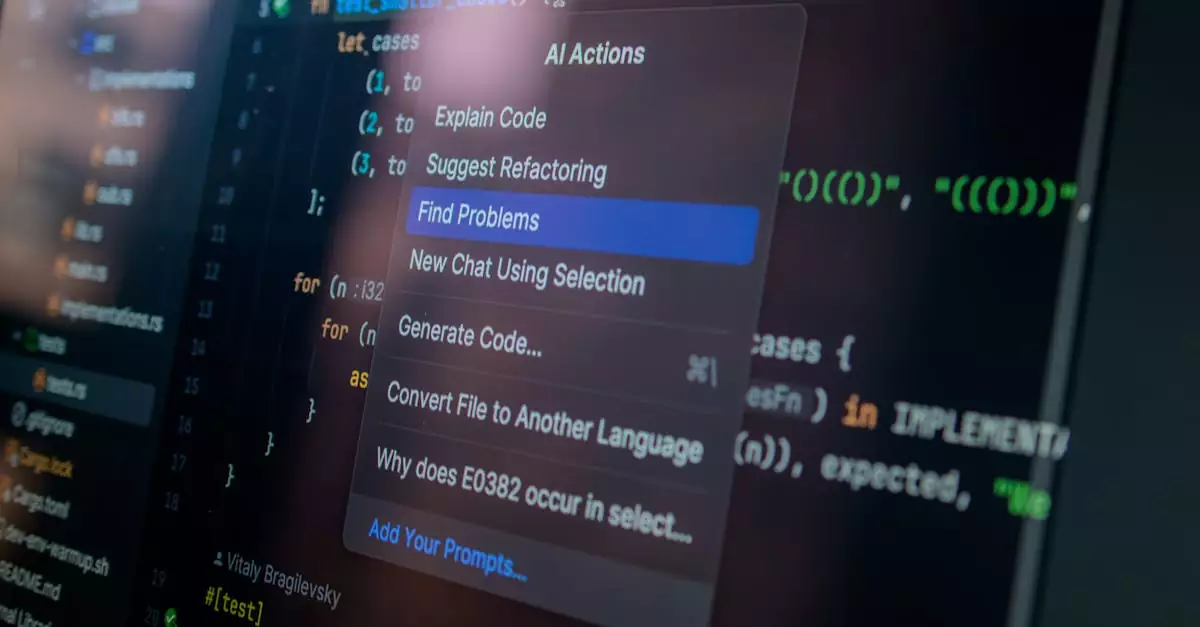
Voicebots are AI-powered systems designed to recognize, interpret, and respond to human speech. Unlike traditional chatbots that rely on text, voicebots use voice recognition combined with natural language processing (NLP) and machine learning to understand context, intent, and nuances in spoken language.
At the core of voicebot technology lies several key components:
- Automatic Speech Recognition (ASR): Converts spoken words into text data for processing.
- Natural Language Understanding (NLU): Interprets the meaning behind user inputs, identifying intent and entities.
- Dialogue Management: Maintains conversation flow, context, and decision-making logic.
- Text-to-Speech (TTS): Converts system responses back into natural-sounding speech.
Voicebot AI models have grown increasingly sophisticated, leveraging deep learning and context-aware algorithms to provide near-human conversational experiences. This evolution allows voicebots to handle complex queries, manage interruptions, and personalize interactions based on user history and preferences.
Popular voicebot development tools and platforms such as Google Dialogflow, Amazon Alexa Skills Kit, and IBM Watson Assistant provide robust frameworks to build, train, and deploy voicebots efficiently.
Why Voicebots Are Revolutionizing Business Interactions
The adoption of voicebot platforms delivers significant benefits across multiple domains. Their ability to automate routine tasks and offer instant responses translates into several business advantages:
- Enhanced Customer Engagement: Voicebots engage users conversationally, providing a more natural and accessible interface than traditional menus or forms.
- 24/7 Availability: Unlike human agents, voicebots operate nonstop, ensuring customers receive timely assistance regardless of time zones.
- Cost Efficiency: Automating repetitive inquiries reduces the need for large customer service teams, lowering operational costs.
- Scalability: Voicebots can simultaneously handle thousands of calls without degradation in response quality.
- Data Insights: Voicebot interactions generate valuable analytics, helping businesses understand customer behavior and preferences.
In real-world scenarios, companies have reported improved customer satisfaction scores and faster resolution times after integrating voicebot AI into their support channels. These benefits make voicebots a strategic investment for businesses aiming to stay competitive in a digital-first landscape.
How to Build a Voicebot: A Step-by-Step Guide for Beginners
Developing a voicebot involves several critical phases, from planning and design to deployment and continuous improvement. Here’s an overview of the process based on practical experience with voicebot development tools:
- Define Objectives and Use Cases: Identify what your voicebot should achieve—whether answering FAQs, booking appointments, or troubleshooting products.
- Choose the Right Voicebot Platform: Select software that suits your technical expertise and business needs. Platforms like Google Dialogflow offer user-friendly interfaces, while Amazon Alexa provides extensive voice ecosystem integration.
- Design Conversational Flows: Map out dialogue trees and potential user intents, ensuring smooth and intuitive interactions.
- Train the AI Model: Use sample utterances to teach the voicebot to recognize diverse ways users might ask questions.
- Integrate with Backend Systems: Connect your voicebot to CRM, databases, or payment gateways to enable dynamic responses and transactions.
- Test Extensively: Conduct thorough testing with real users to identify gaps in understanding or conversation dead-ends.
- Deploy and Monitor: Launch your voicebot and continuously monitor performance metrics and user feedback for improvements.
Leveraging voicebot development tools with built-in analytics and debugging features can accelerate this process significantly. Additionally, adopting agile methodologies allows iterative enhancements based on live user interactions.
Effective Voicebot Integration Strategies for Seamless Customer Experiences
Integrating voicebots into existing business ecosystems requires strategic planning to ensure smooth operation and maximum impact. Key considerations include:
- Multi-Channel Presence: Deploy voicebots across various platforms such as websites, mobile apps, smart speakers, and call centers to meet customers where they are.
- Unified Customer Data: Sync voicebot interactions with CRM systems to maintain a holistic view of customer journeys and personalize responses.
- Fallback to Human Agents: Implement escalation protocols where the voicebot hands over complex queries to live representatives seamlessly.
- Security and Compliance: Ensure voice data handling complies with regulations like GDPR and HIPAA, encrypting sensitive information.
- Continuous Learning: Integrate feedback loops so voicebots improve their understanding and response accuracy over time.
Successful voicebot integration not only enhances customer service but also boosts operational agility. For instance, companies using voicebot software integrated with their helpdesk platforms have reduced call volumes by automating common queries, freeing agents to focus on higher-value tasks.
Real-World Voicebot Applications: Transforming Customer Service and Beyond
Voicebot applications span various industries and functions, offering tailored solutions to specific challenges:
- Customer Service Agents: Voicebots handle first-level support, verifying user identities, answering FAQs, and scheduling callbacks, leading to reduced wait times and improved satisfaction.
- Small Business Owners: Automate appointment bookings, order tracking, and basic inquiries without the need for costly call centers.
- Developers: Build custom voicebots using SDKs and APIs to create unique voice experiences, integrating with IoT devices or enterprise software.
- Marketers: Use voicebots for interactive campaigns, personalized promotions, and gathering customer feedback through conversational surveys.
- Healthcare: Voicebots assist patients with appointment reminders, symptom checking, and medication management while ensuring privacy compliance.
- Financial Services: Automate balance inquiries, transaction histories, and fraud alerts via secure voice interactions.
These use cases demonstrate voicebots’ versatility, making them indispensable tools for businesses seeking to innovate customer engagement and operational efficiency.
Balancing the Benefits and Limitations of Voicebot Technology
While voicebots offer compelling advantages, it’s important to understand their limitations to set realistic expectations. Here are the main pros and cons based on practical experience:
| Pros | Cons |
|---|---|
| Improved customer engagement through natural voice interactions | May struggle with understanding complex or ambiguous queries |
| 24/7 availability reduces wait times and increases satisfaction | Initial development and integration can require significant resources |
| Cost savings by automating repetitive tasks and reducing agent workload | Voice recognition accuracy can be affected by accents, background noise |
| Scalable solution capable of handling high call volumes simultaneously | Potential privacy concerns if data security is not rigorously maintained |
| Generates valuable data insights for continuous improvement | Limited emotional intelligence compared to human agents |
Understanding these factors helps businesses tailor voicebot deployment strategies to maximize strengths while mitigating weaknesses.
Expert Insight: The Evolution of Voicebots into Context-Aware Conversationalists
Based on extensive testing and observations in real-world scenarios, voicebot AI has advanced beyond simple command recognition to become context-aware conversationalists. Modern voicebots leverage sophisticated NLP models that remember conversation history, detect user sentiment, and adjust tone accordingly. This evolution drastically reduces customer wait times and enhances the quality of interactions, making voicebots a near-human interface for customer service.
As voicebot technology continues to integrate with emerging AI trends like multimodal inputs and emotional analytics, businesses can expect even more personalized and efficient customer experiences. Staying updated with developments from leading platforms such as Google Dialogflow and IBM Watson Assistant will be crucial for organizations aiming to leverage these innovations effectively.
Looking Ahead: Voicebots Shaping the Future of Customer Service
Voicebots are no longer futuristic concepts but essential components of modern customer service strategies. Their ability to automate voice interactions, coupled with continuous AI improvements, positions them as game-changers in 2026 and beyond.
For beginners exploring voicebot software and platforms, focusing on user-centric design, robust integration, and ongoing optimization will ensure successful deployment. As voicebot applications expand across industries, businesses that harness their benefits while addressing common pitfalls will gain a competitive edge.
By embracing voicebot technology today, companies can deliver faster, more personalized, and scalable customer experiences that meet the high expectations of tomorrow’s consumers.
Frequently Asked Questions About Voicebots
What is the difference between a voicebot and a chatbot?
Voicebots interact with users through spoken language using voice recognition and text-to-speech technologies, while chatbots communicate primarily via text. Voicebots offer hands-free, natural conversations, making them ideal for phone or smart speaker interactions.
How difficult is it to develop a voicebot for my business?
With modern voicebot development tools like Google Dialogflow and Amazon Alexa Skills Kit, beginners can create basic voicebots without extensive coding. However, building advanced, context-aware voicebots may require technical expertise and integration with backend systems.
Can voicebots handle complex customer service queries?
While voicebots excel at routine and straightforward queries, they may struggle with complex or ambiguous requests. Implementing fallback options to human agents ensures customers receive proper assistance when needed.
Are voicebots secure for handling sensitive customer information?
Security depends on proper implementation. Voicebot platforms typically offer encryption and compliance features, but businesses must ensure data privacy regulations are met and secure voice data transmission.
What are the main benefits of integrating voicebots into customer service?
Voicebots improve customer engagement, reduce wait times, offer 24/7 support, lower operational costs, and provide valuable analytics for continuous service improvement.
Which industries benefit the most from voicebot technology?
Customer service, healthcare, financial services, retail, and hospitality are among the industries that benefit significantly from voicebots due to their high volume of customer interactions requiring efficient and personalized support.
How do voicebots improve over time?
Voicebots improve by learning from user interactions, feedback, and updated training data. Advanced AI models also use machine learning to enhance understanding of language nuances and context awareness continuously.