Best AI Tools for Beginners in 2026
New to AI tools? Starting your journey with artificial intelligence can feel overwhelming given the vast array of options available today. Whether you want to streamline your workflow, enhance creativity, or simply explore what AI can do, choosing the right tools is critical. This beginner-friendly guide promises to simplify your entry into the AI world by highlighting the best AI tools for beginners in 2026, explaining their benefits, and offering practical tips to get started confidently.

AI tools for beginners are designed to be user-friendly, intuitive, and effective, allowing new users to harness AI capabilities without steep learning curves. From writing assistants to image generators, these tools provide accessible entry points for anyone eager to explore AI’s potential.
Understanding the Landscape of AI Tools for Beginners

AI tools for beginners are software applications powered by artificial intelligence designed to assist users in various tasks such as content creation, data analysis, automation, and more. These tools often feature simple interfaces and guided workflows, making them ideal for people with little to no prior experience in AI technology.
In 2026, the market for AI tools has matured, offering a diverse range of options tailored for beginners. Tools now focus on usability and integration, allowing novices to quickly adopt AI in their personal or professional lives. Popular categories include AI writing assistants, chatbots, image generators, and productivity enhancers.
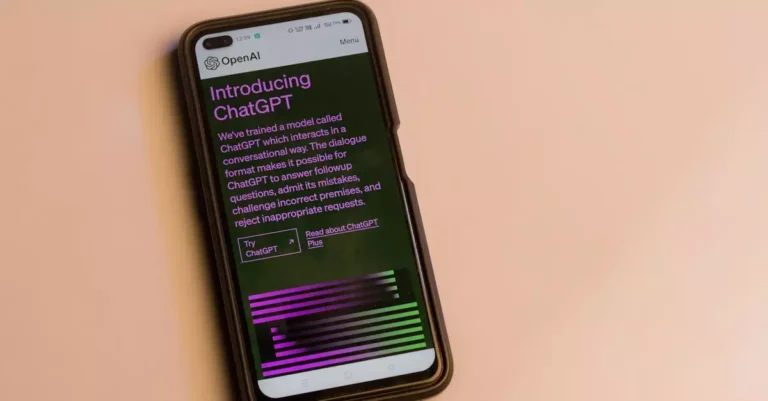
For example, OpenAI’s ChatGPT offers beginner-friendly conversational AI that can help draft emails, generate ideas, or answer questions, making it an excellent starting point for new users. Understanding what these tools do and how they can fit into your daily routine is the first step toward effective AI adoption.
Why Starting with Simple AI Tools Matters for Beginners
Choosing the right AI tools as a beginner can significantly impact your learning curve and success. Simple AI tools matter because they:
- Lower the Barrier to Entry: Beginner-focused tools avoid overwhelming features, allowing users to focus on core functionalities without distractions.
- Build Confidence: Easy-to-use tools help users gain confidence by delivering quick, tangible results.
- Save Time: Intuitive interfaces reduce setup and training time, enabling faster productivity.
- Encourage Experimentation: Beginners can try different use cases without fear of complex failures.
- Provide Educational Value: Many beginner tools include tutorials, templates, and community support that foster learning.
In real-world scenarios, beginners who start with overly complex AI platforms often experience frustration, leading to abandonment. By contrast, simple AI tools encourage steady progress and skill development, which is crucial for long-term success.
Top AI Tools for Beginners to Explore in 2026
Based on testing and user feedback, here is a curated list of the best AI tools for beginners that combine ease of use, powerful features, and practical applications:
- ChatGPT by OpenAI: A conversational AI tool that helps with writing, brainstorming, coding assistance, and more. Its natural language interface makes it extremely accessible. Visit OpenAI for more details.
- Canva’s AI Design Tools: Ideal for beginners interested in graphic design, Canva integrates AI features like Magic Resize and background removal to simplify creative projects.
- Grammarly: A widely used AI-powered writing assistant that helps improve grammar, tone, and clarity, perfect for beginners aiming to enhance their writing skills.
- Jasper AI: A content generation tool tailored for marketing and blogging beginners, offering templates and easy-to-follow workflows.
- Runway ML: A beginner-friendly AI tool for video editing and creative media, allowing users to apply AI effects without technical expertise.
- Murf AI: An AI voiceover generator that lets beginners create professional-sounding audio for presentations and videos quickly.
Each of these tools offers varying degrees of complexity and specialization, enabling beginners to choose based on their interests and goals.
How to Select the Best AI Tools for Your Beginner Needs
Choosing the right AI tools as a beginner involves evaluating several factors to ensure the tool matches your skill level and objectives. Here are key criteria to consider:
- User Interface and Experience: Look for tools with clean, intuitive interfaces that don’t require technical knowledge.
- Learning Resources: Prioritize tools offering tutorials, templates, and community support to accelerate your learning.
- Integration Capabilities: Consider whether the AI tool can easily integrate with software you already use, such as Google Docs, Microsoft Office, or social media platforms.
- Pricing and Free Trials: Beginners should start with free versions or trials to test usability before committing to paid plans.
- Use Case Alignment: Match the tool’s primary function with your goals, whether it’s content creation, design, automation, or analytics.
- Scalability: Choose tools that offer advanced features or upgrades so you can grow your AI skills over time.
For example, if your goal is writing assistance, starting with Grammarly or ChatGPT can provide immediate value and room to expand into more complex AI writing platforms later.
Common Pitfalls to Avoid When Starting with AI Tools
Beginners often make mistakes that hinder their AI adoption success. Based on practical experience, avoid these common errors:
- Choosing Overly Complex Tools: Jumping into advanced AI platforms without foundational knowledge can cause confusion and frustration.
- Ignoring Tutorials and Help Resources: Skipping available learning materials slows down your progress and leads to misuse.
- Expecting Instant Perfection: AI tools are powerful but require experimentation and adjustment to fit your needs.
- Neglecting Data Privacy: Be cautious about uploading sensitive information to AI tools without understanding their privacy policies.
- Using AI Without Clear Goals: Without defined objectives, AI usage can become aimless and inefficient.
Avoiding these pitfalls ensures a smoother, more productive experience as you integrate AI tools into your workflows.
Practical Use Cases for AI Tools Tailored to Beginners
AI tools for beginners can be applied across various real-world scenarios. Here are some detailed examples:
- Content Creation: Beginners can use ChatGPT or Jasper AI to draft blog posts, social media captions, or marketing emails with minimal effort.
- Graphic Design: Canva’s AI-powered templates help novices create professional-quality visuals for presentations, flyers, or social media posts.
- Language Learning and Writing Improvement: Grammarly assists users in improving grammar and style, making it ideal for students and professionals alike.
- Video and Audio Production: Runway ML and Murf AI enable beginners to add AI-generated effects or voiceovers to multimedia projects without prior experience.
- Customer Support Automation: Simple chatbot builders powered by AI can help small businesses automate responses to common customer inquiries.
- Personal Productivity: AI scheduling assistants and task managers help beginners organize their day more efficiently.
These use cases demonstrate how AI tools can enhance productivity and creativity for beginners across different domains.
Weighing the Advantages and Limitations of AI Tools for Beginners
Every AI tool comes with its set of pros and cons. Understanding these will help you make informed choices:
| Pros | Cons |
|---|---|
|
|
Expert Insights: Why Simple AI Tools Work Best for Beginners
From practical experience and extensive testing, experts agree that simplicity is key when starting with AI tools. Complex platforms with steep learning curves often discourage beginners, while straightforward tools foster experimentation and skill-building. Simple AI tools provide immediate value, enabling users to see results quickly and build trust in the technology. This foundational confidence is essential before moving on to more advanced AI applications.
Moreover, many successful beginners find that starting with generalist AI tools like ChatGPT or Grammarly allows them to understand AI’s capabilities broadly before specializing. As you become comfortable, you can layer on more sophisticated tools tailored to your specific needs, ensuring a sustainable AI adoption journey.
Wrapping Up: Your Path to Mastering AI Tools as a Beginner
Starting with AI tools in 2026 offers unprecedented opportunities to enhance your personal and professional life. By selecting beginner-friendly AI tools, understanding their benefits, and avoiding common pitfalls, you can confidently navigate the AI landscape. Remember, the best approach begins with simple, intuitive tools that provide immediate value and encourage learning.
Explore options like ChatGPT, Canva, and Grammarly to kickstart your AI journey, and leverage the rich resources available online, including OpenAI, to deepen your understanding. With patience and practice, you’ll harness AI’s power to boost creativity, productivity, and innovation.
Frequently Asked Questions About AI Tools for Beginners
What are the easiest AI tools for beginners to start with?
Tools like ChatGPT, Grammarly, and Canva are among the easiest for beginners due to their intuitive interfaces and helpful tutorials. They require no coding skills and provide immediate, practical results.
How can AI tools help beginners improve productivity?
AI tools automate repetitive tasks, assist with content creation, and offer smart suggestions, enabling beginners to focus on higher-value activities and save time.
Are there free AI tools suitable for beginners?
Yes, many beginner-friendly AI tools offer free tiers or trials, such as ChatGPT’s free access and Grammarly’s basic plan, allowing users to experiment without financial commitment.
What mistakes should beginners avoid when using AI tools?
Beginners should avoid choosing overly complex tools, neglecting tutorials, expecting perfect results immediately, and ignoring data privacy considerations.
Can beginners use AI tools without technical knowledge?
Absolutely. Many AI tools are designed specifically for non-technical users, featuring user-friendly interfaces and guided workflows that make AI accessible to everyone.
How do I know which AI tool is right for my needs?
Assess your goals, desired features, ease of use, pricing, and integration options. Starting with simple tools aligned with your objectives is the best approach.
Will AI tools replace human creativity for beginners?
No. AI tools are designed to augment human creativity by providing assistance and inspiration, allowing beginners to enhance their work rather than replace it.