Ultimate Guide to AI Development: Tools, Process, and Trends in 2026
Building intelligent applications can be overwhelming without the right knowledge and tools. The world of AI development is vast, constantly evolving, and packed with numerous frameworks, platforms, and methodologies. Whether you are a beginner eager to dive into AI or an intermediate developer looking to refine your skills, understanding the core elements of AI development is essential. This guide breaks down AI development into clear, actionable steps, helping you create smarter solutions with confidence and clarity.
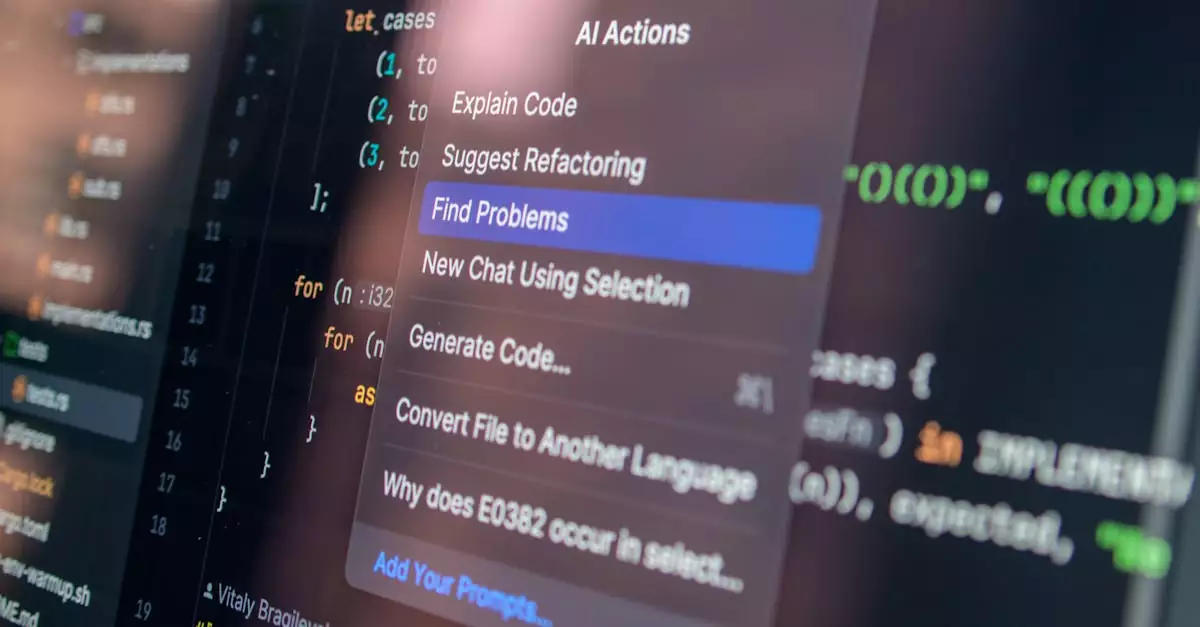
AI development refers to the entire process of designing, building, training, deploying, and maintaining artificial intelligence applications using specialized tools, frameworks, and platforms tailored to automate and enhance decision-making in real-world scenarios.
Exploring Key AI Development Tools and Frameworks
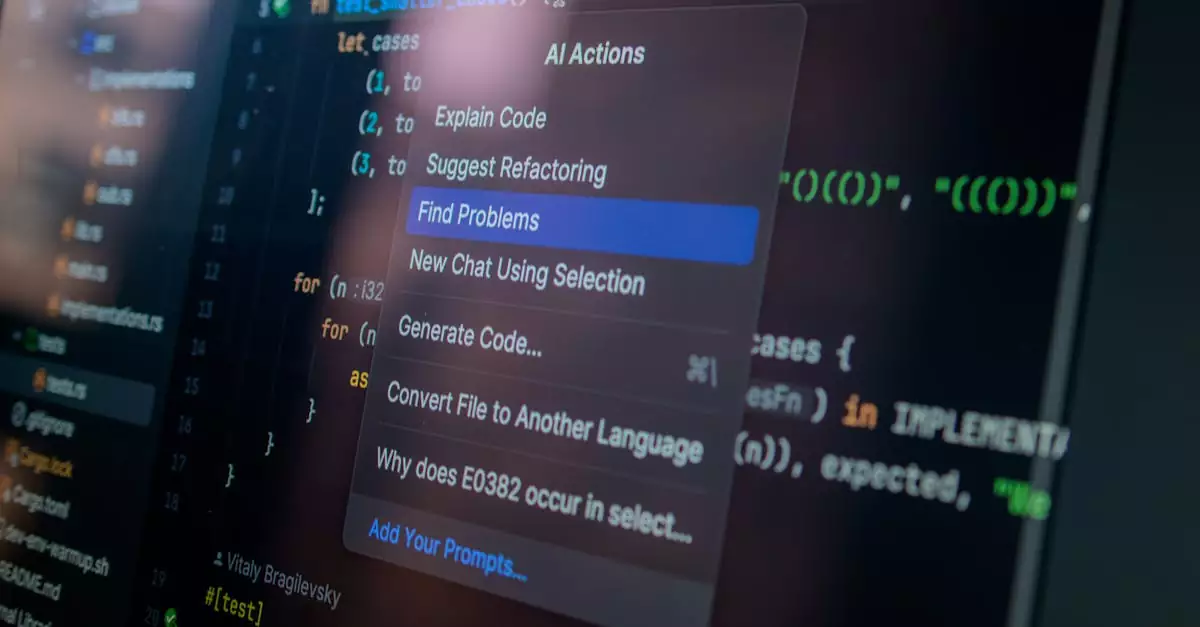
At the heart of successful AI projects lie powerful AI development tools and frameworks that simplify complex tasks such as data preprocessing, model training, and deployment. Understanding these tools is crucial for anyone aiming to build effective AI solutions.
Some of the most popular AI development frameworks include TensorFlow, PyTorch, and Keras. TensorFlow, developed by Google, is a versatile open-source framework widely used for building deep learning models. It supports distributed computing and offers rich visualization options, making it a favorite among researchers and developers alike (TensorFlow Official).
PyTorch, favored for its dynamic computation graph and ease of use, is particularly popular in research communities and rapid prototyping. It allows developers to experiment freely and iterate quickly. Keras, a high-level neural networks API, works seamlessly with TensorFlow and simplifies building complex models with fewer lines of code.
Beyond frameworks, there are specialized tools like data labeling platforms, automated machine learning (AutoML) services, and model monitoring tools that enhance the AI development process. For instance, Google’s AI tools (Google AI Tools) provide a suite of resources including AutoML, which automates model creation, and AI Explainability tools that help interpret model decisions.
IBM also offers an extensive ecosystem for AI developers with its Watson platform, which combines pre-built AI models with customizable tools suitable for enterprises (IBM AI Developer Resources).
Choosing the right tools depends on your project goals, team expertise, and infrastructure. While TensorFlow and PyTorch dominate in flexibility and community support, platforms like IBM Watson excel in enterprise-grade applications with built-in AI services.
Understanding the AI Development Process from Start to Finish
The AI development lifecycle is a structured approach that guides developers through building AI applications systematically. This lifecycle typically includes several key stages:
- Problem Definition: Clearly articulating the business or technical problem to be solved with AI.
- Data Collection and Preparation: Gathering relevant datasets, cleaning, labeling, and transforming data to ensure quality inputs for training.
- Model Selection and Training: Choosing appropriate algorithms or architectures and training models using the prepared data.
- Evaluation: Testing the model’s performance using metrics like accuracy, precision, recall, and making necessary adjustments.
- Deployment: Integrating the trained model into production environments, often using APIs or embedded systems.
- Monitoring and Maintenance: Continuously tracking model performance, retraining with new data, and managing model drift.
In practical experience, a common challenge is the iterative nature of AI development. Models rarely work perfectly on the first try, requiring multiple cycles of tuning and validation. Automated tools that manage this lifecycle—especially in training, deployment, and monitoring—can significantly reduce development time and errors.
For beginners, understanding this process is key to structuring projects logically and avoiding common pitfalls such as biased datasets or overfitting.
Top AI Development Platforms to Watch in 2026
As AI technology advances rapidly, choosing a robust and future-proof AI development platform is vital. In 2026, several platforms stand out for their comprehensive features and ease of integration:
- Google AI Platform: Offers end-to-end machine learning services, from data labeling to model deployment, with strong cloud integration.
- IBM Watson Studio: Provides a collaborative environment for data scientists and developers, combining AutoAI tools and robust governance.
- Microsoft Azure AI: Delivers scalable AI services with pre-built cognitive APIs and custom model deployment options, ideal for enterprises.
- AWS SageMaker: Enables developers to build, train, and deploy machine learning models quickly with integrated notebooks and monitoring.
- Open-source Platforms: Frameworks like TensorFlow Extended (TFX) and MLflow facilitate end-to-end lifecycle management in open-source contexts.
Each platform has its strengths: Google AI Platform excels in scalability and automation, IBM Watson is known for enterprise-ready AI solutions, and AWS SageMaker offers flexible deployment options. For beginners, platforms with strong documentation and community support, like Google and AWS, are often the best starting points.
Real-World Applications Driving AI Development Forward
AI development is not just theoretical; it powers transformative solutions across industries. Here are some detailed use cases that demonstrate the versatility of AI applications:
- Software Developers: Use AI frameworks to build intelligent applications such as chatbots, recommendation engines, and automated code review tools, enhancing user experience and productivity.
- Data Scientists: Leverage AI development platforms to create predictive models for customer churn, fraud detection, or supply chain optimization, improving decision-making accuracy.
- Startups: Rapidly prototype AI-powered products like personalized health apps or fintech solutions using cloud-based AI tools, reducing time-to-market.
- AI Enthusiasts and Educators: Explore AI concepts hands-on by building projects with accessible frameworks and teaching AI fundamentals to the next generation.
- Enterprises: Deploy AI for process automation, sentiment analysis, and intelligent document processing, driving efficiency at scale.
These real-world scenarios showcase how AI development spans a broad spectrum of needs, from enhancing software functionality to solving complex business challenges.
Balancing Pros and Cons of Popular AI Development Approaches
Choosing the right AI development tools and frameworks comes down to weighing their advantages and limitations. Here’s a balanced overview based on testing and practical experience:
| Tool/Framework | Pros | Cons |
|---|---|---|
| TensorFlow |
|
|
| PyTorch |
|
|
| IBM Watson Studio |
|
|
Understanding these trade-offs helps developers and organizations select tools aligned with project requirements, expertise, and budget.
Why Automated AI Lifecycle Management is a Game-Changer
From practical experience, one of the most impactful trends in AI development is the integration of automated lifecycle management tools. These solutions streamline the entire AI pipeline—from data ingestion and model training to deployment and continuous monitoring.
Automated tools reduce manual overhead, minimize human error, and accelerate release cycles. For example, platforms like Google’s AI Platform and AWS SageMaker incorporate automated pipelines that handle repetitive tasks such as hyperparameter tuning, model versioning, and performance tracking.
This automation enables developers to focus more on creative problem-solving rather than managing infrastructure. It also ensures models remain accurate and reliable in production through continuous monitoring and retraining capabilities, which are critical in dynamic environments where data evolves rapidly.
For beginners and intermediate developers, adopting automated lifecycle tools can significantly flatten the learning curve and lead to more robust AI applications.
Key Considerations for Choosing the Right AI Development Approach
Selecting the optimal approach for your AI project depends on several factors. Here are practical tips to guide your decision:
- Project Scope: For experimental or research projects, flexible frameworks like PyTorch may be ideal. For enterprise deployments, platforms with robust support and compliance features, such as IBM Watson, might be better.
- Team Expertise: Beginners should prioritize tools with extensive documentation and community support. Intermediate developers can explore more customizable frameworks.
- Integration Needs: Consider how well the AI tools integrate with your existing technology stack, including cloud providers and data sources.
- Budget Constraints: Open-source frameworks reduce costs but may require more hands-on management. Managed platforms offer convenience but come at a premium.
- Scalability: If your application needs to handle large-scale data or real-time inference, ensure the chosen tools support distributed computing and efficient deployment.
By evaluating these aspects, you can tailor your AI development strategy to maximize efficiency and impact.
Common Pitfalls to Avoid in AI Development Projects
AI development is complex, and many projects stumble due to avoidable mistakes. Here are some common pitfalls to watch out for:
- Neglecting Data Quality: Poor-quality or biased data leads to unreliable models. Always invest time in thorough data preprocessing and validation.
- Overfitting Models: Overly complex models may perform well on training data but fail in real-world scenarios. Use proper evaluation techniques to prevent this.
- Ignoring Model Monitoring: Deploying a model isn’t the end. Continuous monitoring is essential to detect drift and maintain accuracy.
- Skipping Documentation: Without clear documentation, maintaining and scaling AI projects becomes challenging, especially for teams.
- Underestimating Deployment Complexity: Transitioning from development to production requires careful planning around infrastructure and latency requirements.
Avoiding these mistakes improves project success rates and saves valuable time and resources.
Getting Started with AI Development: Practical Steps for Beginners
If you’re new to AI development, here are actionable steps to kickstart your journey:
- Learn the Basics: Understand core machine learning concepts, algorithms, and data science fundamentals through online courses or tutorials.
- Experiment with Frameworks: Start with beginner-friendly tools like TensorFlow or PyTorch, following hands-on projects to build confidence.
- Use Cloud Platforms: Leverage platforms like Google AI Platform or IBM Watson Studio to access ready-made tools without heavy infrastructure setup.
- Join Communities: Engage with AI forums, GitHub repositories, and local meetups to learn from peers and stay updated on trends.
- Build Small Projects: Apply your knowledge by creating simple AI applications such as image classifiers, chatbots, or recommendation systems.
- Focus on the End-to-End Process: Don’t just build models; practice data collection, evaluation, deployment, and monitoring to understand the full lifecycle.
By following these steps, beginners can develop a solid foundation and progressively tackle more complex AI challenges.
Emerging AI Development Trends to Watch in 2026
Looking ahead to 2026, several exciting trends are reshaping the AI development landscape:
- Automated Machine Learning (AutoML): Increasingly sophisticated AutoML tools will democratize AI by automating model selection and tuning.
- Explainable AI (XAI): Transparency in AI decisions will become mandatory in many sectors, pushing frameworks to integrate interpretability features.
- Edge AI Development: AI models optimized for edge devices will grow, enabling real-time, low-latency applications in IoT and mobile.
- Multimodal AI Applications: Combining text, images, and audio inputs will lead to richer, more context-aware AI systems.
- Integration of AI Lifecycle Management Tools: Platforms offering end-to-end automation, from training to monitoring, will become standard to boost efficiency.
- Ethical and Responsible AI: Greater focus on bias mitigation, privacy, and sustainability will shape AI development practices.
Staying abreast of these trends will help developers and organizations build future-ready AI applications.
Conclusion: Building Smarter AI Solutions with Confidence
AI development can seem daunting, but with the right knowledge, tools, and approach, it becomes an empowering journey. Understanding the AI development process, selecting appropriate frameworks and platforms, and being aware of common pitfalls set the foundation for success.
Emerging trends like automated lifecycle management and explainable AI are making development more accessible and reliable. Whether you are a beginner or an intermediate developer, investing time in learning and experimenting with AI tools will pay off as you build smarter, impactful applications.
Start small, iterate continuously, and leverage community and platform resources to navigate the evolving AI landscape confidently.
Frequently Asked Questions About AI Development
What are the essential tools for AI development beginners?
Beginners should start with user-friendly frameworks like TensorFlow and PyTorch due to their extensive tutorials and community support. Cloud platforms like Google AI Platform and IBM Watson Studio also provide easy-to-use environments that simplify setup and deployment.
How does the AI development lifecycle improve project outcomes?
The lifecycle structures AI projects into stages such as data preparation, model training, deployment, and monitoring, ensuring systematic progress and reducing errors. It promotes iteration and continuous improvement, which are critical for model accuracy and reliability.
What are the benefits of using automated AI lifecycle management tools?
Automated tools streamline repetitive tasks such as hyperparameter tuning, model versioning, and monitoring, reducing human error and accelerating development cycles. They help maintain model performance in production through ongoing retraining and alerting.
Which AI development platforms are best suited for enterprise applications?
Platforms like IBM Watson Studio, Microsoft Azure AI, and AWS SageMaker offer enterprise-grade security, scalability, and compliance features, making them ideal for deploying AI at scale within organizations.
What common mistakes should developers avoid in AI projects?
Key mistakes include neglecting data quality, overfitting models, skipping model monitoring, inadequate documentation, and underestimating deployment complexities. Avoiding these improves model robustness and project success.
How are AI development trends in 2026 shaping the future?
Trends like AutoML, explainable AI, edge AI, and integrated lifecycle management are making AI development more automated, transparent, and accessible, enabling faster innovation and responsible AI use.
Can AI development frameworks handle multimodal data?
Yes, modern frameworks like TensorFlow and PyTorch support multimodal AI applications that process text, images, and audio simultaneously, enabling more sophisticated and context-aware AI solutions.