Top 10 Chatbot AI Platforms to Boost Your Business in 2026
Struggling to provide 24/7 customer support without breaking the bank? Discover how chatbot AI can revolutionize your business communication and boost customer satisfaction effortlessly. As companies increasingly seek scalable, cost-effective solutions to engage customers, chatbot AI platforms have emerged as indispensable tools. From automating repetitive queries to delivering personalized experiences, these advanced systems are reshaping how businesses interact with their audience.
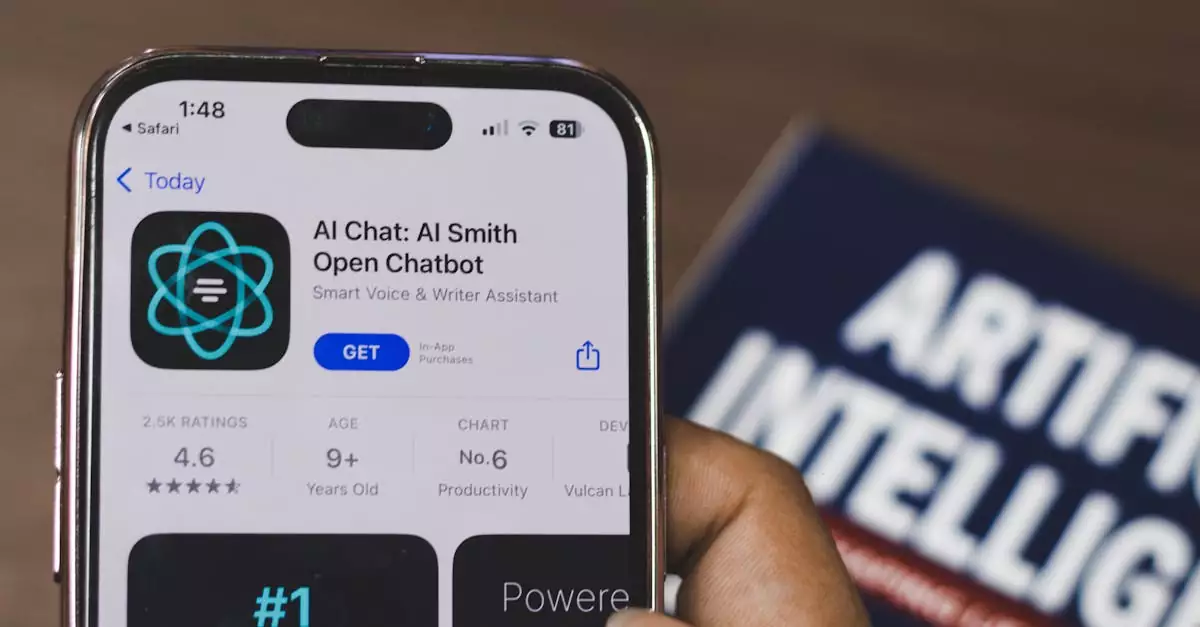
Chatbot AI platforms enable businesses to automate customer interactions using artificial intelligence, offering instant responses and personalized support that improve efficiency and customer satisfaction.
Understanding Chatbot AI and Its Growing Importance for Businesses

Chatbot AI refers to software powered by artificial intelligence that simulates human-like conversations with users through text or voice interactions. Unlike traditional chatbots that follow scripted responses, AI-driven chatbots leverage natural language processing (NLP) and machine learning to understand context, intent, and sentiment. This allows them to provide more accurate, relevant, and personalized replies.
The importance of chatbot AI for businesses cannot be overstated. In today’s digital landscape, customers expect rapid responses around the clock. Human support teams, while invaluable, face limitations in availability and scalability. Chatbot AI bridges this gap by providing instant assistance anytime, reducing wait times and freeing human agents to handle complex issues.
Moreover, chatbot AI benefits for business extend beyond customer service. They streamline internal workflows, automate lead generation, and enhance marketing campaigns through proactive engagement. By integrating chatbot AI automation software, companies can achieve significant cost savings, improve operational efficiency, and ultimately boost revenue.
Exploring the Top 10 Chatbot AI Platforms Transforming Business in 2026
Choosing the best chatbot AI platforms can be overwhelming due to the variety of options available. Below, we examine ten leading platforms that stand out in 2026 for their features, scalability, and integration capabilities:
- IBM Watson Assistant — Known for robust NLP and enterprise-grade security [Learn more]
- Google Dialogflow CX — Offers advanced conversation design with multi-turn dialogue management [Learn more]
- Microsoft Azure Bot Service — Seamlessly integrates with Microsoft ecosystem and Azure AI tools [Learn more]
- Drift — Focuses on conversational marketing and sales automation
- Intercom — Combines chatbot AI with live chat and customer data platform
- ManyChat — Popular for Facebook Messenger and social media chatbot automation
- LivePerson — Emphasizes AI-powered messaging and voice assistants
- Freshchat by Freshworks — Provides multichannel support with AI-powered bots
- Chatfuel — User-friendly bot builder for e-commerce and small businesses
- Tars — Specializes in lead generation chatbots with customizable workflows
Comparing Features and Pricing of Leading Chatbot AI Platforms
| Platform | Key Features | Integration Options | Pricing Model | Best For |
|---|---|---|---|---|
| IBM Watson Assistant | Advanced NLP, Multi-channel support, Analytics | APIs, CRM, Cloud platforms | Tiered, starts with free tier | Enterprise, large-scale deployments |
| Google Dialogflow CX | Multi-turn conversations, Visual flow builder | Google Cloud, Slack, Facebook | Pay-as-you-go | Developers, scalable apps |
| Microsoft Azure Bot Service | AI integration, Cognitive Services, Bot Framework SDK | Microsoft 365, Dynamics 365 | Consumption-based pricing | Microsoft ecosystem users |
| Drift | Conversational marketing, Lead qualification | CRM, Email, Analytics | Subscription-based | Sales teams, B2B marketing |
| Intercom | Live chat, Bots, Customer data platform | CRM, Helpdesk tools | Tiered subscription | Customer support, SaaS |
| ManyChat | Social media chatbots, Visual flow builder | Facebook, Instagram, SMS | Free & Pro plans | Small businesses, Social marketing |
| LivePerson | AI messaging, Voice assistants | Messaging apps, CRM | Custom pricing | Enterprises, Omnichannel support |
| Freshchat | Multichannel inbox, AI bots | Freshworks suite, CRM | Subscription plans | Customer support teams |
| Chatfuel | Drag & drop bot builder, E-commerce support | Facebook Messenger, Instagram | Free & Paid plans | Small businesses, E-commerce |
| Tars | Lead gen chatbots, Custom workflows | CRM, Email marketing | Subscription-based | Marketing agencies, Sales |
How Chatbot AI is Revolutionizing Customer Service and Sales in Real-World Scenarios
Chatbot AI for customer service is rapidly becoming a cornerstone of modern business operations. In real-world scenarios, these platforms handle a broad spectrum of tasks, from answering FAQs and processing orders to troubleshooting technical issues. For example, e-commerce stores use chatbot AI to guide shoppers through product selections, track orders, and manage returns without human intervention.
Marketing agencies leverage chatbot AI automation software to nurture leads by engaging prospects with personalized messages, qualifying their needs, and scheduling follow-ups. Customer support teams benefit by reducing ticket volumes, allowing human agents to focus on complex problems that require empathy and nuanced understanding.
Startups and small businesses find chatbot AI tools 2026 indispensable for scaling customer interactions without proportional increases in headcount. This technology helps maintain responsiveness and consistency, which are critical for building brand loyalty and reducing churn.
Balanced Pros and Cons of the Leading Chatbot AI Platforms
- IBM Watson Assistant
- Pros: Highly customizable, strong NLP, enterprise security, multi-channel support
- Cons: Steeper learning curve, higher cost for small businesses
- Google Dialogflow CX
- Pros: Powerful conversation design tools, seamless Google Cloud integration, scalable
- Cons: Requires technical expertise, pay-as-you-go pricing can be unpredictable
- Microsoft Azure Bot Service
- Pros: Deep integration with Microsoft products, flexible SDK, AI-powered features
- Cons: Complex setup, pricing can be confusing for beginners
- Drift
- Pros: Excellent for sales-driven conversations, intuitive interface
- Cons: Limited customization, premium pricing
- Intercom
- Pros: Combines chatbot and live chat, rich customer data
- Cons: Can become expensive as user base grows
- ManyChat
- Pros: Easy setup, great for social media marketing, affordable
- Cons: Limited to supported platforms, less suited for complex queries
- LivePerson
- Pros: Strong omnichannel support, AI and voice capabilities
- Cons: Higher cost, complex onboarding
- Freshchat
- Pros: Multichannel support, affordable tiers, easy to use
- Cons: Limited AI sophistication compared to top-tier platforms
- Chatfuel
- Pros: User-friendly, great for small businesses, social media integration
- Cons: Limited advanced AI features
- Tars
- Pros: Focus on lead generation, customizable workflows
- Cons: Less suited for broad customer service needs
How to Select the Best Chatbot AI Platform for Your Business Needs
Choosing the right chatbot AI platform requires evaluating several critical factors aligned with your business goals. Start by identifying your primary use cases: Are you focusing on customer service, lead generation, or sales automation? Understanding this helps narrow down platforms tailored to your needs.
Consider ease of use versus customization. If you lack technical resources, platforms with intuitive drag-and-drop builders like ManyChat or Chatfuel may be preferable. For enterprises requiring advanced NLP and deep integrations, IBM Watson Assistant or Microsoft Azure Bot Service could be better fits.
Integration capabilities are crucial for seamless workflows. Ensure the platform supports your CRM, helpdesk, and marketing tools. Pricing models vary widely—from subscription tiers to pay-as-you-go—so analyze your expected volume to avoid surprises.
Finally, assess scalability and support. Your chatbot AI should grow with your business and provide access to technical support and documentation. Trial periods or demos can offer valuable hands-on experience before committing.
Real-World Use Cases Demonstrating Chatbot AI’s Business Impact
Small businesses often deploy chatbot AI tools 2026 to automate appointment scheduling, answer product queries, and gather customer feedback, enabling them to compete with larger companies without large support teams.
E-commerce stores utilize chatbots to guide users through product discovery, process payments, and provide order tracking updates. This reduces cart abandonment and improves conversion rates.
Customer support teams integrate chatbots to manage high volumes of routine inquiries, freeing agents to handle complex cases and improving overall response times. For example, telecom companies employ AI chatbots to troubleshoot common connectivity issues instantly.
Marketing agencies harness chatbot AI automation software to create interactive campaigns that engage prospects via personalized offers and instant responses, boosting lead quality and nurturing efficiency.
Startups leverage chatbot AI integration examples to deliver consistent customer interactions across multiple channels, ensuring brand reliability while scaling quickly without exponentially increasing support costs.
Expert Insight: How Next-Gen Chatbot AI is Enhancing Customer Engagement Through Hyper-Personalization
Based on testing and practical experience, emerging chatbot AI platforms are increasingly leveraging natural language understanding to provide hyper-personalized customer interactions. Unlike traditional bots that rely on static scripts, these advanced systems analyze user behavior, preferences, and context in real-time.
This capability allows chatbots to tailor responses and recommendations dynamically, significantly improving customer satisfaction and reducing churn. For example, a chatbot can recognize when a customer is frustrated and escalate the conversation to a human agent seamlessly, maintaining a positive brand experience.
Furthermore, AI-powered chatbots collect valuable insights into customer needs and pain points, enabling businesses to refine their products and services continually. This data-driven approach to customer engagement is transforming how companies build long-term loyalty and competitive advantage.
Conclusion: Embracing Chatbot AI Platforms to Drive Business Growth in 2026 and Beyond
In 2026, chatbot AI platforms have become essential tools for businesses aiming to deliver exceptional customer experiences while optimizing operational efficiency. Whether you are a small business, e-commerce store, marketing agency, or large enterprise, there is a chatbot AI solution tailored to your needs.
By carefully evaluating features, pricing, and integration capabilities, you can select a platform that not only automates routine tasks but also provides personalized, human-like interactions that delight customers. The future points toward increasingly sophisticated AI chatbots that blend automation with empathy, enabling businesses to stay competitive in an ever-evolving digital marketplace.
Investing in the best chatbot AI platforms today means preparing your business for scalable, intelligent customer support that drives growth and loyalty tomorrow.
Frequently Asked Questions About Chatbot AI Platforms
- What is the primary advantage of using chatbot AI for customer service?
Chatbot AI provides instant, 24/7 support that reduces wait times and operational costs, improving customer satisfaction and allowing human agents to focus on complex issues.
- How do chatbot AI platforms integrate with existing business tools?
Most platforms offer APIs and pre-built connectors to integrate with CRM systems, helpdesk software, and marketing tools, enabling seamless data flow and automation.
- Are chatbot AI platforms suitable for small businesses?
Yes, many chatbot AI tools like ManyChat and Chatfuel offer affordable, user-friendly solutions perfect for small businesses and startups looking to automate customer engagement.
- What factors should I consider when building a chatbot AI?
Key factors include understanding your use cases, choosing the right platform based on features and integrations, designing conversational flows, and continuous training to improve accuracy.
- Can chatbot AI fully replace human support?
While chatbot AI can handle many routine tasks and improve efficiency, human support remains essential for complex, sensitive, or nuanced customer interactions.
- How is chatbot AI evolving in 2026?
Emerging chatbot AI platforms increasingly use advanced natural language understanding and machine learning to deliver hyper-personalized, context-aware interactions that enhance customer experience.
- What are some examples of chatbot AI automation software?
Popular examples include IBM Watson Assistant, Google Dialogflow CX, Microsoft Azure Bot Service, Drift, and Intercom, each offering unique capabilities for automating customer communication.