Struggling to understand how to harness the power of AI chatbots? This guide will simplify OpenAI Chatbot GPT and show you how to transform your interactions effortlessly.
In today’s fast-paced digital world, conversational AI is no longer a luxury but a necessity for businesses and individuals alike. Whether you’re a developer, marketer, educator, or small business owner, leveraging a powerful AI chatbot can revolutionize how you engage with customers, automate tasks, and enhance productivity. OpenAI Chatbot GPT stands out as one of the most advanced options available, known for its natural language understanding and versatility.
This comprehensive guide will walk you through everything you need to know about the OpenAI Chatbot GPT—from its key features and capabilities to step-by-step usage, integration tips, and real-world applications. By the end, you’ll have a clear understanding of how to use OpenAI GPT chatbot effectively and make informed decisions that align with your goals.
OpenAI chatbot GPT is a state-of-the-art AI language model designed to generate human-like conversations, enabling businesses and users to automate communication, deliver personalized experiences, and integrate conversational AI seamlessly into their workflows.
Understanding the Core Capabilities of OpenAI Chatbot GPT
OpenAI Chatbot GPT is built on advanced machine learning models that excel in understanding context, generating coherent responses, and adapting to diverse conversational scenarios. Unlike traditional rule-based chatbots, it leverages deep learning techniques to interpret nuanced language patterns, making interactions feel more natural and engaging.
Its capabilities include multi-turn dialogue handling, sentiment analysis, contextual awareness, and the ability to perform tasks such as content creation, answering queries, and even coding assistance. These features make it suitable for a wide range of applications, from customer support to educational tools.
Some standout OpenAI GPT chatbot features include:
Context retention: Maintains conversation flow across multiple interactions.
Multilingual support: Understands and responds in various languages.
Customizability: Allows fine-tuning for specific tasks or industries.
Scalability: Supports deployment from small projects to enterprise-level solutions.
For developers interested in the technical details, OpenAI provides extensive documentation on the GPT-4 model, which powers the chatbot, offering insights into its architecture and capabilities at OpenAI GPT-4 Docs.
How to Use OpenAI GPT Chatbot: A Step-by-Step Tutorial for Beginners
Getting started with the OpenAI GPT chatbot might seem daunting at first, but with a clear roadmap, even those without a technical background can harness its power. Here’s a practical tutorial to guide you through the process:
Create an OpenAI account: Sign up on the OpenAI platform to access API keys and resources.
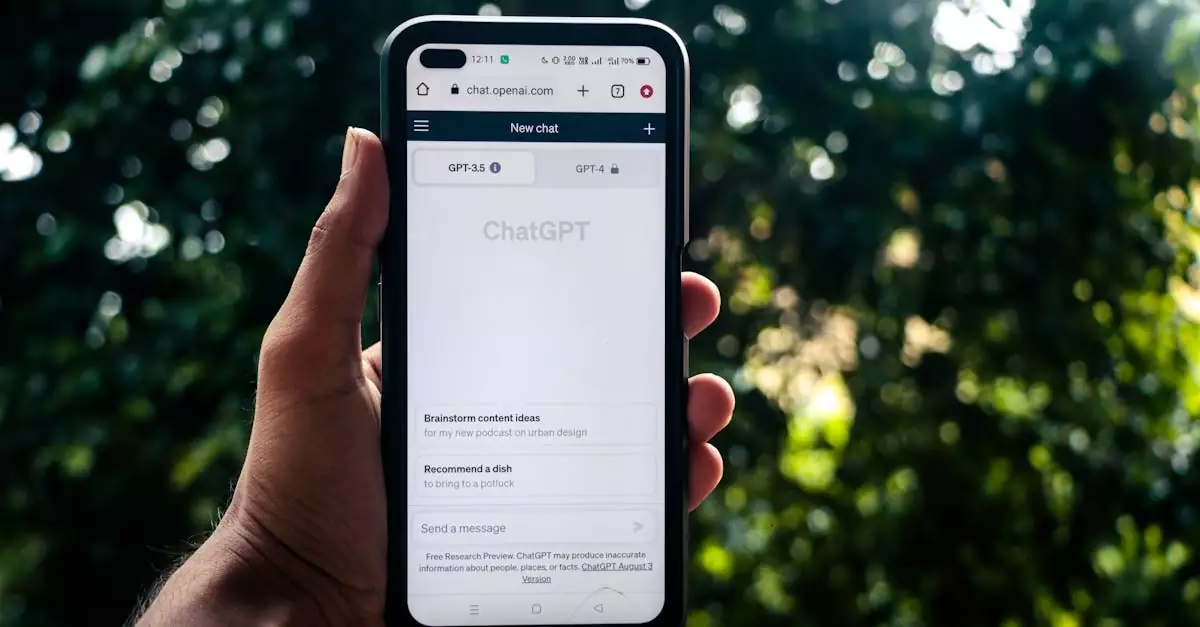
Choose your GPT model: Depending on your needs, select the appropriate GPT version, such as GPT-3.5 or GPT-4.
Obtain API credentials: Generate API keys from your account dashboard to authenticate your requests.
Set up your environment: Use programming languages like Python or JavaScript to interact with the API. OpenAI provides SDKs and sample code to get you started.
Send your first prompt: Craft a simple prompt to test the chatbot’s response capabilities.
Fine-tune and customize: Adjust parameters like temperature and max tokens to control response creativity and length.
Deploy your chatbot: Integrate it into your website, app, or communication platform.
For a more detailed walkthrough, OpenAI’s official blog features a helpful OpenAI ChatGPT tutorial that covers practical usage scenarios and tips.
Exploring Integration Options and Best Practices with OpenAI GPT Chatbot
One of the reasons why OpenAI GPT chatbot stands out is its flexible integration options. Whether you’re aiming to embed AI into a customer support system, a marketing automation tool, or an educational platform, the chatbot can adapt to your environment.
Common integration methods include:
API integration: Directly connect your applications to OpenAI’s API for real-time responses.
Third-party platforms: Use connectors available for platforms like Slack, Microsoft Teams, or Zapier to embed chatbot functionality without heavy coding.
Custom-built interfaces: Develop tailored chat interfaces using front-end frameworks, enabling a unique user experience.
Define clear intents: Structure your chatbot’s purpose to minimize ambiguous responses.
Monitor usage: Track API calls and user interactions to optimize performance and manage costs.
Incorporate fallback mechanisms: Design responses for situations when the chatbot cannot understand queries.
Ensure data privacy: Comply with regulations like GDPR by managing user data responsibly.
For developers seeking advanced guidance on text classification and integration workflows, Google’s machine learning guides offer complementary insights at Google Machine Learning Text Classification.
Practical Applications: How Different Industries Use OpenAI Chatbot GPT
The versatility of OpenAI Chatbot GPT allows it to shine across various sectors. Here are detailed use cases illustrating its real-world value:
Developers: Automate code generation, debug assistance, and documentation creation, speeding up development cycles.
Small Business Owners: Deploy chatbots on websites for 24/7 customer support, lead qualification, and sales assistance without hiring large teams.
Marketers: Generate creative content, social media posts, and personalized email campaigns, enhancing engagement and conversion rates.
Educators: Provide interactive tutoring, answer student queries, and develop customized learning materials to support diverse learning styles.
Customer Support Teams: Handle repetitive inquiries, triage tickets, and offer instant solutions, freeing human agents for complex tasks.
These examples demonstrate the openai gpt chatbot for business as a transformative tool that can be tailored to specific needs, improving efficiency and user satisfaction.
Evaluating OpenAI GPT Chatbot: Pros and Cons Based on Real-World Experience
Like any technology, the OpenAI GPT chatbot has its advantages and limitations. Understanding these can help you decide if it’s the right fit for your projects.
Pros
Cons
Highly intuitive and natural language understanding
Costs can rise with high-volume usage
Flexible integration options across platforms
Customization beyond API parameters may require advanced coding
Scalable from small applications to enterprise solutions
Occasional inaccuracies or irrelevant responses need monitoring
Supports multiple languages and contexts
Data privacy concerns require careful management
User-friendly for non-technical users with proper tutorials
Limited control over underlying model behavior
When considering openai gpt chatbot pricing, it’s important to evaluate your expected usage patterns and budget accordingly, as costs vary based on API call volume and model complexity.
Expert Insight: Unlocking Business Value with OpenAI Chatbot GPT’s Adaptability
Based on testing and practical experience, one of the most impressive aspects of OpenAI Chatbot GPT is its adaptability. Even users without extensive coding skills can create conversational agents that deliver real business value. This democratization of AI technology means startups and small businesses can compete with larger enterprises by automating customer interactions, generating content, and streamlining workflows without heavy upfront investments.
Moreover, the continuous updates and improvements from OpenAI ensure the chatbot evolves with industry standards, maintaining its edge in natural language processing. For beginners, this means a smoother learning curve and access to cutting-edge AI capabilities.
Wrapping Up: Why OpenAI Chatbot GPT Should Be Your Go-To AI Solution in 2026
OpenAI Chatbot GPT represents a leap forward in conversational AI, combining powerful language understanding with ease of use and flexible integration. Whether you’re just starting to explore AI chatbots or looking to upgrade your existing solutions, this technology offers a robust foundation to build upon.
From its rich feature set to practical use cases across industries, the chatbot is designed to empower users at all levels. By following this guide, you’re well-equipped to navigate the world of OpenAI GPT chatbots, avoid common pitfalls, and unlock new opportunities for growth and innovation.
As AI continues to evolve, staying informed and adapting your strategies will ensure you harness the full potential of OpenAI Chatbot GPT effectively in 2026 and beyond.
Frequently Asked Questions About OpenAI Chatbot GPT
What makes OpenAI GPT chatbot different from other chatbots?
OpenAI GPT chatbot uses advanced deep learning models to generate human-like, context-aware responses, unlike traditional rule-based chatbots that rely on predefined scripts. This allows for more natural and versatile conversations.
Is it difficult to integrate OpenAI GPT chatbot into existing systems?
Integration is straightforward for developers familiar with APIs, and there are many third-party tools and platforms that simplify embedding the chatbot without extensive coding, making it accessible to beginners as well.
How can small businesses benefit from using OpenAI GPT chatbot?
Small businesses can leverage the chatbot for automated customer support, lead generation, and personalized marketing, reducing operational costs and improving customer engagement without hiring large teams.
What are the costs associated with using OpenAI GPT chatbot?
Pricing depends on usage volume and the specific GPT model selected, with costs calculated per API call. It’s essential to monitor usage and optimize prompts to manage expenses effectively.
Can non-technical users customize the OpenAI GPT chatbot?
Yes, with user-friendly tutorials and tools, non-technical users can customize chatbot behavior through adjustable parameters and pre-built integrations, although advanced customization may require developer support.
Is OpenAI GPT chatbot suitable for educational purposes?
Absolutely. Educators use it to create interactive tutoring systems, automate grading assistance, and generate learning materials tailored to student needs, enhancing the educational experience.
Where can I find official resources to learn more about OpenAI GPT chatbot?
Official documentation and tutorials are available on OpenAI’s website, including the GPT-4 model docs and the ChatGPT blog, offering comprehensive guidance.
How to Use OpenAI Chat: Ultimate Guide to Features and Benefits in 2026 Struggling to find a powerful yet easy-to-use AI chat solution? OpenAI Chat is transforming how businesses and developers engage with customers—here’s how you can harness its full potential. As AI-powered conversations become a staple in digital interaction, understanding how to use OpenAI…
Ultimate Guide to AI Deep Learning: Techniques, Models, and Applications in 2026 Struggling to understand how AI systems learn complex tasks? Dive into deep learning—the powerhouse behind today’s smartest AI—and unlock its secrets step-by-step. As AI continues to evolve, deep learning has become the driving force enabling machines to recognize images, understand speech, and even…
How to Navigate and Use the OpenAI Website: A Complete 2026 Guide Navigating the OpenAI website can be overwhelming for first-time users eager to harness AI’s power. This guide breaks down everything you need to get started confidently and efficiently. Whether you want to explore ChatGPT, learn how to use the OpenAI website for API…
How to Use GPT-3 OpenAI: Ultimate Guide for 2026 Struggling to unlock the full potential of GPT-3 OpenAI? This guide breaks down exactly how you can leverage one of the most powerful AI models today to transform your projects. Whether you are a developer building AI-powered features, a startup founder testing new product ideas, or…
How to Use Chat GPT 4: Ultimate Guide to Features and Applications in 2026 Struggling to unlock the full potential of Chat GPT 4? This guide breaks down everything you need to know to start leveraging one of the most powerful AI language models today. Whether you’re a developer, content creator, marketer, educator, or customer…
Struggling to figure out how to use Chat GPT online effectively? This guide breaks down everything beginners need to know to get started quickly and confidently. Chat GPT online has revolutionized how we interact with artificial intelligence, making it accessible, intuitive, and highly versatile. Whether you’re a student aiming to streamline your research, a content…