Struggling to understand how machine learning differs from deep learning? This guide breaks down the essentials and shows you how both power today’s smartest AI systems.
In the rapidly evolving world of artificial intelligence, machine learning and deep learning have become buzzwords that often confuse beginners and even seasoned professionals alike. Both play pivotal roles in enabling computers to learn from data and make intelligent decisions, but their approaches, capabilities, and applications differ significantly. Whether you’re a student, developer, data scientist, or AI enthusiast, gaining a clear understanding of these technologies is crucial to leveraging their power effectively.
This ultimate 2026 guide will demystify the difference between machine learning and deep learning, explore how they work together, and provide practical insights into their applications. We’ll also cover popular algorithms, real-world use cases, and best practices to help you navigate this exciting field with confidence.
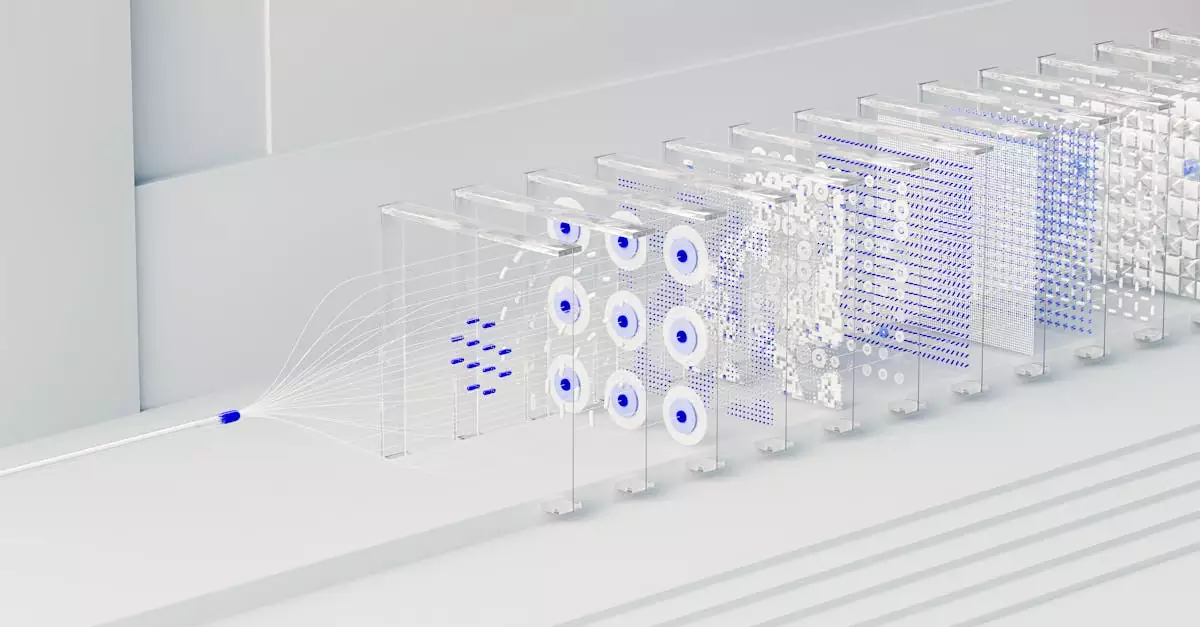
Machine learning and deep learning are subsets of artificial intelligence where machine learning involves algorithms that learn from data to make decisions, while deep learning uses layered neural networks to model complex patterns, enabling advanced AI capabilities like image and speech recognition.
Understanding the Foundations: What Machine Learning and Deep Learning Entail

Machine learning is a branch of AI focused on creating systems that can automatically learn and improve from experience without being explicitly programmed. It relies on statistical methods to find patterns in data and make predictions or decisions. For example, a machine learning model might analyze historical sales data to forecast future demand.
Deep learning, on the other hand, is a specialized subset of machine learning inspired by the structure and function of the human brain’s neural networks. It uses multi-layered artificial neural networks to process data in complex ways, enabling it to handle unstructured data such as images, audio, and natural language. Deep learning models power technologies like voice assistants, autonomous vehicles, and advanced recommendation systems.
While machine learning often requires manual feature extraction—where human experts design the input variables—deep learning automates this process by learning hierarchical representations from raw data. This capability allows deep learning to excel in tasks where traditional machine learning struggles.
Why Distinguishing Between Machine Learning and Deep Learning Matters for AI Success
Understanding the difference between machine learning and deep learning is essential because it influences the choice of algorithms, computing requirements, and project outcomes. Machine learning algorithms are generally faster to train and require less data, making them suitable for simpler tasks or scenarios with limited computational resources.
Deep learning, conversely, demands large datasets and significant processing power, typically leveraging GPUs or TPUs for training. However, its ability to model complex, non-linear relationships enables breakthroughs in fields like computer vision and natural language processing.
Recognizing these distinctions helps organizations deploy the right AI tools tailored to their specific challenges, optimizing resource use and improving solution effectiveness.
How Machine Learning and Deep Learning Complement Each Other in Modern AI Systems
Rather than being mutually exclusive, machine learning and deep learning often work together to build robust AI solutions. In many real-world scenarios, machine learning algorithms handle structured data and simpler predictive tasks, while deep learning models tackle unstructured data and complex pattern recognition.
For instance, in healthcare, machine learning might analyze patient records to identify risk factors, while deep learning processes medical images to detect anomalies. Combining these approaches creates a holistic system that leverages the strengths of both technologies.
Moreover, some AI pipelines begin with machine learning models to preprocess or filter data before feeding it into deep learning networks, enhancing efficiency and accuracy. This synergy illustrates how understanding their interplay can unlock new possibilities in AI development.
Popular Algorithms Driving Machine Learning and Deep Learning Innovations
Machine learning and deep learning employ distinct sets of algorithms suited to different tasks:
- Machine Learning Algorithms: Decision Trees, Random Forests, Support Vector Machines (SVM), K-Nearest Neighbors (KNN), and Gradient Boosting Machines. These algorithms are effective for classification, regression, and clustering tasks on structured data.
- Deep Learning Algorithms: Convolutional Neural Networks (CNNs) for image processing, Recurrent Neural Networks (RNNs) and Long Short-Term Memory (LSTM) networks for sequential data like speech and text, and Transformer models that power natural language understanding.
Each algorithm offers unique advantages. For example, CNNs excel at recognizing visual patterns, while decision trees provide interpretability and quick training times. Understanding these differences helps practitioners select the right tool for their use case.
For those interested in exploring these algorithms further, comprehensive resources like DeepLearning.AI and Coursera’s machine learning course provide excellent tutorials and hands-on exercises.
Real-World Applications Highlighting Machine Learning and Deep Learning Use Cases in 2026
Both machine learning and deep learning have transformed numerous industries, and their use cases continue to expand in 2026:
- Healthcare: Machine learning models predict patient outcomes and optimize treatment plans, while deep learning analyzes medical imaging for early disease detection.
- Finance: Fraud detection systems use machine learning to flag suspicious transactions, and deep learning models assess credit risk by analyzing complex financial data.
- Retail: Recommendation engines powered by deep learning personalize customer experiences, while machine learning forecasts inventory demand.
- Autonomous Vehicles: Deep learning enables real-time object detection and decision-making, complemented by machine learning algorithms that optimize route planning.
- Natural Language Processing (NLP): Chatbots and virtual assistants use deep learning models for language understanding, supported by machine learning for intent classification.
These examples demonstrate how integrating machine learning and deep learning can solve complex problems more effectively than using either approach alone.
Evaluating Strengths and Limitations: Pros and Cons of Machine Learning and Deep Learning
| Aspect | Machine Learning | Deep Learning |
|---|---|---|
| Data Requirements | Performs well with smaller datasets | Requires large volumes of labeled data |
| Computational Resources | Lower computational cost, faster training | High computational demand, longer training times |
| Interpretability | More interpretable and transparent | Often considered a “black box” with less explainability |
| Performance on Complex Data | Less effective with unstructured data like images or audio | Excels at modeling complex patterns in unstructured data |
| Flexibility | Suitable for a wide range of traditional predictive tasks | Best for advanced AI tasks requiring deep feature extraction |
Understanding these pros and cons supports informed decision-making when choosing between machine learning and deep learning for your projects.
Choosing the Right Approach: Best Practices for Machine Learning and Deep Learning Success
Selecting between machine learning and deep learning depends on several factors including data availability, problem complexity, and resource constraints. Here are some guidelines based on practical experience:
- Assess Your Data: If you have limited, structured data, traditional machine learning methods might be more effective. For large-scale, unstructured datasets, deep learning is preferable.
- Evaluate Computational Resources: Deep learning requires powerful hardware such as GPUs. Ensure your infrastructure can support training and deploying deep neural networks.
- Define Project Goals: For tasks requiring interpretability and quick iterations, machine learning offers advantages. For complex pattern recognition, deep learning is the go-to.
- Experiment and Iterate: Start with simpler models and gradually introduce deep learning components. Use validation metrics to compare performance objectively.
- Leverage Hybrid Models: Consider combining machine learning and deep learning techniques to exploit their complementary strengths.
Following these best practices can optimize your AI development process and improve solution outcomes.
Common Pitfalls to Avoid When Working with Machine Learning and Deep Learning
Working with machine learning and deep learning involves navigating several challenges. Based on testing and real-world scenarios, here are frequent mistakes to watch out for:
- Ignoring Data Quality: Poor data quality leads to inaccurate models. Always clean and preprocess your data thoroughly.
- Overfitting Models: Overly complex models may perform well on training data but fail in production. Use techniques like cross-validation and regularization.
- Underestimating Computational Needs: Deep learning projects often require more resources than anticipated. Plan hardware and cloud infrastructure accordingly.
- Neglecting Model Interpretability: Especially in regulated industries, ensure your AI models can be explained and audited.
- Failing to Update Models: AI models degrade over time as data patterns change. Implement monitoring and retraining pipelines.
Avoiding these mistakes will save time and improve the reliability of your AI applications.
How Students, Developers, and Data Scientists Benefit from Machine Learning and Deep Learning Tutorials
For beginners and professionals alike, structured tutorials provide essential knowledge and hands-on experience. A well-designed machine learning and deep learning tutorial can guide learners through fundamental concepts, algorithm implementation, and project workflows.
Students gain foundational skills to enter AI fields, developers learn to integrate AI into applications, and data scientists deepen their expertise in model building and evaluation. These tutorials often include practical exercises, real datasets, and community support, accelerating learning curves.
Resources such as IBM’s machine learning overview and DeepLearning.AI’s materials are excellent starting points for anyone looking to master these transformative technologies.
Expert Insight: Synergizing Machine Learning and Deep Learning for Advanced AI Solutions
From practical experience and industry analysis, one of the most powerful trends in AI is the integration of machine learning and deep learning within hybrid architectures. This combination allows leveraging the interpretability and efficiency of classical machine learning alongside the unmatched capacity of deep learning to model intricate data patterns.
For example, a financial fraud detection system might use machine learning to quickly flag suspicious activity based on transaction metadata, while deep learning analyzes complex behavioral sequences and anomalies. This layered approach improves detection accuracy and reduces false positives.
Such synergy not only optimizes performance but also provides flexibility to adapt AI solutions to evolving business needs. As AI technologies advance, mastering how to blend these methodologies will be a key differentiator for professionals and organizations.
Wrapping Up: Embracing Machine Learning and Deep Learning in 2026 and Beyond
Machine learning and deep learning are foundational pillars of modern AI, each with distinct strengths and ideal use cases. Understanding their differences, how they complement one another, and best practices for implementation empowers you to harness their full potential.
Whether you’re developing predictive models, building intelligent applications, or exploring AI research, this guide provides the clarity needed to navigate the complex AI landscape confidently. Keep exploring, experimenting, and learning to stay ahead in this dynamic field as it continues to evolve in 2026 and beyond.
Frequently Asked Questions About Machine Learning and Deep Learning
-
What is the main difference between machine learning and deep learning?
Machine learning uses algorithms to analyze data and make predictions based on features extracted by humans, while deep learning employs neural networks with multiple layers that automatically learn hierarchical features from raw data.
-
Can machine learning and deep learning be used together?
Yes, combining machine learning and deep learning can optimize AI solutions by leveraging the strengths of both methods, such as using machine learning for structured data and deep learning for unstructured data processing.
-
Which is better for small datasets: machine learning or deep learning?
Machine learning is generally better suited for small datasets as deep learning models require large amounts of data to perform effectively and avoid overfitting.
-
What are common applications of deep learning algorithms?
Deep learning algorithms excel in applications like image and speech recognition, natural language processing, autonomous driving, and recommendation systems.
-
Where can I find a good machine learning and deep learning tutorial?
Platforms like Coursera offer comprehensive tutorials, such as the machine learning course, and resources from DeepLearning.AI provide valuable learning materials.
-
What are some common mistakes to avoid in machine learning and deep learning projects?
Common mistakes include neglecting data quality, overfitting models, underestimating computational requirements, ignoring model interpretability, and failing to update models as data evolves.
-
How are machine learning and deep learning expected to evolve in 2026?
In 2026, both fields will continue to advance with better hybrid models, improved algorithms requiring less data, and broader adoption across industries, driving more intelligent and efficient AI solutions.