The Ultimate Guide to Artificial Intelligence in Agriculture: Transforming Farming in 2026
Farming has always been about working with nature — but what if artificial intelligence could help farmers predict weather, optimize crops, and reduce waste like never before? Welcome to the future of agriculture. In 2026, artificial intelligence in agriculture is no longer a distant dream but a practical reality reshaping how we grow food, manage resources, and sustain the environment. As challenges like climate change and population growth pressure traditional farming methods, AI offers innovative solutions to make agriculture smarter, more efficient, and environmentally friendly.
Artificial intelligence in agriculture leverages data, sensors, and machine learning to automate processes, improve decision-making, and maximize crop yields. From small-scale farmers to large agribusinesses, AI-driven farming technology is transforming fields across the globe. This guide explores the key AI technologies revolutionizing farming, the benefits of adopting these tools, practical use cases, and how to navigate the challenges of implementation. Whether you’re a farmer, agricultural researcher, or sustainability consultant, understanding AI’s role in agriculture is crucial for future success.
Artificial intelligence in agriculture involves using AI algorithms and machine learning models to analyze data from fields, weather, and crops, enabling precise farming decisions, automation, and sustainable resource management.
Exploring the Technologies Behind AI’s Agricultural Revolution
Artificial intelligence in agriculture is powered by a blend of advanced technologies that work together to collect, analyze, and act on agricultural data. Key components include machine learning for crop management, computer vision, robotics, and Internet of Things (IoT) sensors. Machine learning algorithms analyze historical and real-time data to predict crop health, pest infestations, and optimal harvest times. Computer vision systems process images from drones and field cameras to detect weeds, diseases, or nutrient deficiencies with remarkable accuracy.
Robotics and automation use AI to perform tasks such as planting, watering, and harvesting with minimal human intervention. These machines can operate continuously, improving efficiency and reducing labor costs. IoT devices embedded in soil and plants provide a constant stream of data on moisture levels, temperature, and nutrient content, allowing AI systems to fine-tune irrigation and fertilization schedules.
For example, IBM’s AI agriculture solutions combine weather data, satellite imagery, and sensor inputs to provide farmers with actionable insights tailored to their specific crops and regions. This integration of multiple AI technologies creates a holistic approach to farming that was unimaginable just a few years ago.
Precision Agriculture: How AI Enhances Crop Management and Yield
Precision agriculture with AI represents a shift from traditional blanket farming methods to highly targeted approaches that optimize every input. AI applications in farming allow for precise monitoring and management of crops, ensuring that resources such as water, fertilizers, and pesticides are applied exactly where and when needed.
Machine learning models analyze data from drones, satellite imagery, and in-field sensors to map crop variability and identify stress factors early. This enables farmers to intervene proactively to prevent yield losses. For instance, AI-driven crop health monitoring can detect signs of disease or nutrient deficiency days or weeks before visible symptoms appear, allowing timely treatment that saves crops and reduces chemical usage.
Another critical aspect is soil health management. AI tools assess soil composition and moisture trends to recommend crop rotation plans and soil amendments that maintain long-term fertility. This precision reduces waste and environmental impact while maximizing productivity.
According to the Food and Agriculture Organization (FAO), precision agriculture techniques powered by AI are improving yields by up to 20% while reducing input costs and environmental footprint — a transformative benefit for farmers worldwide (source).
Revolutionizing Farming with AI-Driven Automation and Robotics
Automation using AI is one of the most visible advancements changing the face of modern agriculture. AI-driven farming technology includes autonomous tractors, robotic harvesters, and smart irrigation systems that reduce human labor and increase operational efficiency.
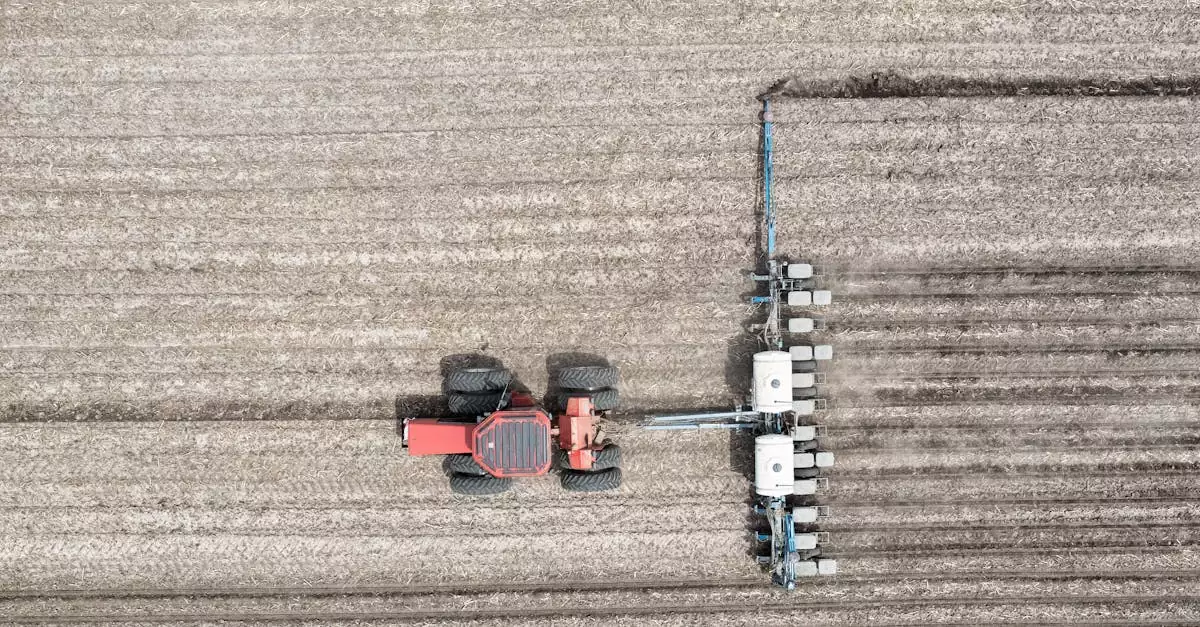
Autonomous tractors equipped with GPS and AI algorithms can plow, seed, and fertilize fields with incredible precision, working around the clock without fatigue. Robotic harvesters use computer vision to identify ripe fruits and vegetables, picking them delicately to minimize damage. These machines are especially valuable for high-value crops where labor shortages have been a critical bottleneck.
Smart irrigation systems leverage AI to optimize water usage by analyzing weather forecasts, soil moisture, and crop water requirements. This not only conserves water but also prevents overwatering, which can lead to root diseases or nutrient runoff. Many farms now use AI-powered drones to monitor fields and even spray pesticides or fertilizers with pinpoint accuracy.
Farm equipment manufacturers are investing heavily in these AI-driven solutions, making automation more accessible and affordable for farms of all sizes (source).
Unlocking Sustainability: The Benefits of AI in Modern Farming
The benefits of artificial intelligence in agriculture extend far beyond increased productivity. AI tools for sustainable farming help reduce environmental impact, conserve resources, and promote biodiversity. By enabling precision agriculture, AI minimizes the overuse of water, fertilizers, and pesticides, which are major contributors to soil degradation and water pollution.
AI-driven predictive analytics also help farmers adapt to climate variability by forecasting weather patterns and suggesting resilient crop varieties or planting schedules. This proactive approach reduces crop failures and supports food security in vulnerable regions.
Moreover, automation reduces the carbon footprint associated with manual labor and inefficient machinery. Smart farming with artificial intelligence fosters a circular approach where waste is minimized, and inputs are optimized, aligning with global sustainability goals.
In real-world scenarios, farms implementing AI solutions have reported up to 30% reductions in water use and 25% lower pesticide application rates, showcasing tangible environmental benefits alongside economic gains.
Real-World Smart Farming: Practical Applications of AI Across Agriculture
AI applications in farming are diverse and adaptable to various stakeholders. Farmers use AI-powered platforms to monitor crop health, optimize irrigation, and manage pests. For example, a vineyard owner might use drone imagery analyzed by AI to detect early signs of grapevine disease, enabling targeted treatment that saves the harvest.
Agribusiness owners leverage AI to streamline supply chain logistics, forecast demand, and reduce waste. By integrating AI insights with market data, they can make informed decisions on planting volumes and distribution strategies.
Agricultural researchers utilize machine learning for crop breeding programs, analyzing genetic data to develop drought-resistant or pest-tolerant varieties. Farm equipment manufacturers incorporate AI into their machinery, enhancing automation and precision for end-users.
Sustainability consultants apply AI-driven analytics to assess environmental impact and design customized farm management plans that balance productivity with ecological stewardship. For instance, AI can simulate different scenarios to identify the best crop rotations that preserve soil health and reduce greenhouse gas emissions.
These examples demonstrate how AI-driven farming technology is integrated throughout the agricultural ecosystem, creating value for every participant from field to fork.
Balancing the Scale: Pros and Cons of Adopting AI in Agriculture
As with any transformative technology, adopting artificial intelligence in agriculture comes with both advantages and challenges. Understanding these pros and cons helps farmers and agribusinesses make informed decisions.
| Pros | Cons |
|---|---|
| Increased crop yields through precise monitoring and management | High initial investment costs for AI hardware and software |
| Reduced resource usage, promoting sustainability and cost savings | Requires technical expertise and training to operate AI systems effectively |
| Automation decreases labor dependency and operational fatigue | Potential data privacy and security concerns with cloud-based platforms |
| Predictive analytics improve resilience against climate variability | Technology adoption may be slower in regions with limited internet or infrastructure |
| Enhanced decision-making through real-time data insights | Dependence on AI could reduce traditional knowledge and practices |
Based on testing and practical experience, the benefits often outweigh the drawbacks, especially when AI is implemented with proper training and support. However, addressing cost and accessibility remains critical for widespread adoption.
Expert Perspective: How AI Enables Predictive Sustainability in Farming
Experts in agricultural technology emphasize that artificial intelligence’s true potential lies not just in boosting yields but in enabling predictive sustainability. By integrating AI models that analyze environmental data, resource consumption, and crop performance, farmers can anticipate challenges and optimize inputs proactively.
This predictive capability helps reduce the environmental footprint of farming by minimizing waste and avoiding overuse of chemicals and water. It also supports long-term soil health and biodiversity, ensuring farms remain productive for future generations.
From practical experience, farms using AI-driven sustainability tools report more consistent yields despite fluctuating weather and market conditions, highlighting AI’s role as a strategic partner in resilient food production.
Organizations like IBM are pioneering AI platforms that combine big data with machine learning to provide these insights, empowering farmers to make informed, eco-friendly decisions (source).
Choosing the Right AI Tools for Your Farming Needs
Selecting the best AI solutions depends on factors such as farm size, crop type, budget, and technical expertise. Start by identifying the specific challenges you want to address — whether it’s pest control, irrigation, yield prediction, or automation.
Evaluate AI platforms based on their data integration capabilities, ease of use, and support services. For example, smallholder farmers might benefit from mobile-based AI apps that provide actionable insights without requiring complex hardware, while large-scale operations may invest in integrated systems combining drones, sensors, and robotics.
Consider scalability and compatibility with existing equipment, as well as data privacy policies. Partnering with trusted providers who offer training and ongoing support can ease the transition and maximize return on investment.
Visiting resources like the FAO’s precision agriculture portal can help you explore available technologies and best practices tailored to different agricultural contexts (source).
Common Pitfalls to Avoid When Integrating AI in Agriculture
While AI promises significant advantages, several common mistakes can hinder successful adoption:
- Ignoring data quality: AI models rely on accurate, comprehensive data. Poor sensor calibration or incomplete datasets lead to unreliable recommendations.
- Overlooking farmer training: Without proper education on AI tools, users may misinterpret insights or underutilize features.
- Underestimating infrastructure needs: AI systems often require stable internet and power sources, which may be lacking in rural areas.
- Failing to customize solutions: One-size-fits-all AI tools may not address local crop varieties, soil types, or climate conditions.
- Neglecting data privacy and security: Sharing sensitive farm data without safeguards can expose operations to risks.
Avoid these pitfalls by planning thoroughly, engaging experts, and piloting AI solutions before full-scale deployment.
Conclusion: Embracing AI for a Smarter, Sustainable Agricultural Future
Artificial intelligence in agriculture is reshaping the farming landscape by making it smarter, more efficient, and environmentally responsible. From precision crop management to AI-driven automation, the technology empowers farmers and agribusinesses to meet the growing global food demand while preserving natural resources.
Though challenges such as cost and technical complexity exist, the benefits of AI adoption — including higher yields, reduced waste, and predictive sustainability — are compelling. By choosing the right tools and avoiding common mistakes, farmers can unlock the full potential of AI-driven farming technology.
As we move further into 2026, staying informed and agile in adopting AI innovations will be key to thriving in a rapidly evolving agricultural sector. This guide provides a roadmap for harnessing artificial intelligence to build resilient, productive, and sustainable farms for the future.
Frequently Asked Questions About Artificial Intelligence in Agriculture
How is artificial intelligence used in modern farming?
Artificial intelligence is used in farming to analyze data from sensors, drones, and satellites to optimize crop management, automate equipment, predict weather, and reduce resource waste. These applications improve yield, efficiency, and sustainability.
What are some common AI tools for sustainable farming?
Common AI tools include machine learning models for crop health monitoring, autonomous tractors, smart irrigation systems, and drone-based imaging platforms that detect pests or nutrient deficiencies early.
Can AI help reduce the environmental impact of agriculture?
Yes, AI enables precision agriculture techniques that minimize overuse of water, fertilizers, and pesticides, leading to lower pollution and better soil health, supporting sustainable farming practices.
What challenges do farmers face when adopting AI technologies?
Challenges include high upfront costs, need for technical training, data privacy concerns, and infrastructure limitations such as unreliable internet connectivity in rural areas.
How does machine learning improve crop management?
Machine learning analyzes historical and real-time data to predict crop diseases, optimize planting schedules, and recommend resource application, allowing farmers to make proactive decisions that enhance yield.
Are AI-driven farming technologies accessible to smallholder farmers?
While some AI solutions are designed for large-scale farms, mobile apps and affordable sensor kits are increasingly available to smallholder farmers, helping democratize access to AI benefits.
What future trends are expected in AI and agriculture?
Future trends include greater integration of AI with robotics, enhanced predictive analytics using big data, and wider adoption of AI-powered sustainability tools to address climate change impacts.