The Ultimate Guide to Human AI Collaboration: How Humans and AI Work Together in 2026
As AI technology advances, understanding how humans and AI can collaborate effectively is key to unlocking unprecedented business innovation and productivity. The synergy between human intelligence and artificial intelligence is no longer a futuristic concept but a present-day reality transforming industries worldwide. Yet, navigating this evolving relationship requires insight into how human AI interaction works, the benefits it brings, and the ethical considerations that come with integrating AI into human workflows.
Human AI collaboration is reshaping how businesses operate, empowering teams with augmented capabilities and fostering a partnership that enhances decision-making. This guide dives deeply into the dynamics of human AI integration in 2026, offering business leaders a comprehensive overview of how to leverage this powerful alliance responsibly and effectively.

Human AI collaboration refers to the interactive partnership where humans and AI systems work together, combining their strengths to achieve better outcomes. This collaboration enhances human decision-making, automates routine tasks, and fosters innovation across various sectors, making it a cornerstone of modern business strategy.
Decoding Models of Human AI Interaction in Today’s Business Landscape

Understanding human AI interaction models is essential for businesses aiming to harness AI’s full potential. These models describe how humans and AI systems communicate, share tasks, and influence each other within work environments.
One common model is the assistive interaction, where AI tools provide recommendations or automate routine processes, allowing humans to focus on complex decision-making. For example, AI-powered analytics platforms can sift through large data sets and present insights, while humans interpret and act on those insights strategically.
Another model is collaborative interaction, where humans and AI systems work in tandem on tasks requiring both creativity and precision. In design or content creation, AI might generate initial drafts or prototypes, which human experts refine, ensuring quality and nuance. This model exemplifies the emerging concept of AI as a partner rather than a tool.
There’s also the adaptive interaction approach, where AI learns from human feedback and adjusts its behavior accordingly. This dynamic relationship improves over time, fostering a more intuitive human AI relationship that aligns with organizational goals.
In real-world scenarios, these interaction models are often blended, depending on the task complexity and desired outcomes. For business leaders, recognizing which model fits their organizational needs is critical for successful human AI integration.
Why Embracing Human AI Integration is a Game-Changer for Business Success
The benefits of human AI integration extend far beyond automation. When human AI collaboration is implemented thoughtfully, it drives significant advantages across productivity, innovation, and employee engagement.
First, AI augmentation allows teams to handle data-intensive tasks efficiently. In finance, AI algorithms can rapidly analyze market trends, while human strategists use these insights to make informed investment decisions. This synergy accelerates workflows without sacrificing quality.
Second, human AI partnership fosters creativity. AI can generate numerous ideas or options quickly, freeing humans to explore novel approaches or focus on strategic thinking. In marketing, for instance, AI tools can produce personalized campaign variations, enabling marketers to test and optimize messaging effectively.
Third, integrating AI enhances decision-making accuracy. AI systems identify patterns or anomalies that might escape human notice, supporting risk assessment and operational planning. This collaboration reduces errors and improves business outcomes.
Moreover, human AI integration promotes scalability. Businesses can expand their capabilities without proportionally increasing headcount, optimizing resource allocation while maintaining agility.
According to Harvard Business Review, organizations adopting human AI collaboration report higher innovation rates and faster time-to-market, underscoring its strategic importance.
Addressing Ethical Concerns in Human AI Partnerships
Despite its potential, human AI collaboration raises important ethical concerns that businesses must navigate carefully. Responsible AI use hinges on transparency, fairness, and respect for human dignity.
One major concern is bias. AI systems trained on historical data can perpetuate existing prejudices, impacting hiring, lending, or customer service decisions. Ensuring diverse and representative training data, alongside continuous monitoring, is essential to mitigate this risk.
Privacy is another critical issue. Human AI integration often involves processing sensitive personal or business data. Organizations must implement robust data governance policies to protect user information and comply with regulations like GDPR or CCPA.
Additionally, there is apprehension about job displacement. While AI augments human capabilities, some fear it may replace certain roles. Transparent communication and reskilling initiatives can ease this tension, highlighting AI as a partnership tool rather than a threat.
Finally, accountability in AI decision-making remains complex. When AI influences critical business outcomes, defining responsibility between humans and machines is necessary to maintain trust and legal compliance.
Leading institutions such as MIT Technology Review emphasize embedding ethical frameworks into AI development and deployment to address these challenges effectively.
Practical Applications: Real-World Use Cases of Human AI Collaboration
Human AI partnerships are already delivering transformative results across diverse industries. Here are some detailed examples demonstrating their impact.
- Managers and Business Strategists: AI-powered dashboards aggregate performance metrics and market intelligence, enabling managers to make data-driven decisions rapidly. AI suggests scenario analyses, while human leaders evaluate strategic fit.
- AI Developers: Developers use human AI interaction models to refine algorithms by incorporating user feedback, improving system accuracy and usability over time.
- HR Professionals: AI assists in candidate screening by analyzing resumes and predicting cultural fit, while HR experts conduct interviews and assess soft skills, ensuring a balanced hiring process.
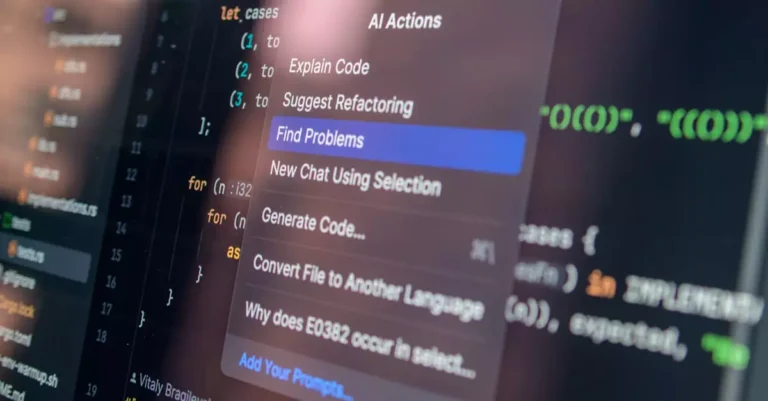
- Tech Enthusiasts and Innovators: Experimenting with AI augmentation tools, they co-create novel applications, such as AI-assisted coding platforms that suggest improvements while developers maintain creative control.
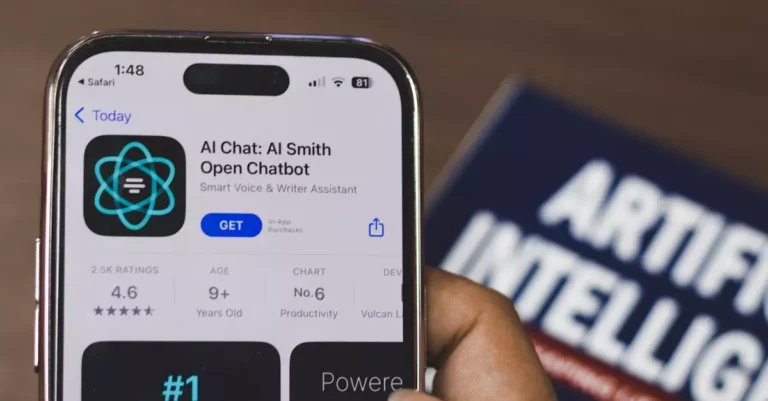
- Customer Service Teams: Chatbots handle routine inquiries instantly, escalating complex issues to human agents who provide empathy and nuanced solutions, enhancing customer satisfaction.
These examples illustrate how human AI integration enhances efficiency, creativity, and user experience without diminishing the essential human element.
Evaluating the Pros and Cons of Human AI Collaboration
Like any transformative technology, human AI collaboration presents both significant advantages and challenges that organizations must weigh carefully.
| Pros | Cons |
|---|---|
| Increased productivity through automation of repetitive tasks | Risk of data bias leading to unfair outcomes |
| Enhanced decision-making accuracy with AI-driven insights | Privacy concerns due to extensive data processing |
| Augmented creativity enabling innovative problem-solving | Potential job displacement fears among employees |
| Scalability without proportional increases in workforce | Complexity in defining accountability for AI-influenced decisions |
| Improved customer experiences via intelligent support systems | Dependence on AI systems may reduce human skill development |
Based on testing and practical experience, the key to maximizing pros while minimizing cons lies in thoughtful AI integration strategies, continuous ethical oversight, and fostering a culture of collaboration rather than replacement.
Insights from Experts: Rethinking AI as a Collaborative Partner
Emerging thought leaders argue that the future of human AI interaction hinges on viewing AI not as a substitute but as a collaborative partner enhancing human decision-making. This shift challenges traditional perceptions and opens new avenues for innovation.
From practical experience, AI’s strength lies in processing vast data and identifying patterns, while humans excel in contextual understanding, empathy, and ethical judgment. Combining these complementary strengths creates a powerful partnership that neither could achieve alone.
Experts at IBM highlight that designing AI systems with human-centric principles fosters trust and usability, essential for successful collaboration (IBM Human AI Collaboration).
Moreover, this partnership paradigm encourages continuous learning, where AI adapts to human feedback, and humans evolve alongside AI capabilities. This dynamic relationship is set to redefine work in the coming years, emphasizing augmentation over automation.
Looking Ahead: The Future Impact of Human AI Collaboration in 2026 and Beyond
The trajectory of human AI integration points toward deeper, more seamless collaboration across all sectors. Advancements in natural language processing, computer vision, and adaptive learning will enable more intuitive human AI communication, reducing friction and enhancing productivity.
We anticipate AI becoming embedded in everyday tools, augmenting professionals from healthcare to creative industries. For example, doctors might use AI diagnostics as collaborative second opinions, while artists leverage AI to explore new creative frontiers.
However, realizing this future demands addressing ethical concerns proactively, investing in workforce reskilling, and fostering transparent AI governance frameworks. Businesses that prioritize these areas will harness human AI collaboration to sustain competitive advantage and innovation.
In summary, the future of work hinges on embracing AI as a partner that amplifies human potential rather than replacing it, creating new opportunities for growth and societal benefit.
Final Thoughts: Embracing the Human AI Partnership for Sustainable Success
Human AI collaboration represents a transformative shift in how businesses operate and innovate. By understanding the nuances of human AI interaction, recognizing its benefits, and addressing ethical challenges, organizations can unlock unprecedented value.
For business leaders exploring AI-human synergy, the key lies in fostering a balanced partnership that leverages AI’s analytical power while preserving uniquely human skills. This approach not only drives efficiency and creativity but also builds trust and resilience in an evolving technological landscape.
As we move through 2026, human AI collaboration will continue to reshape industries, offering exciting possibilities for those ready to embrace this powerful alliance responsibly and thoughtfully.
Frequently Asked Questions About Human AI Collaboration
How does human AI collaboration improve business decision-making?
Human AI collaboration enhances decision-making by combining AI’s data processing and pattern recognition with human contextual understanding and judgment. This synergy leads to more accurate, timely, and informed decisions, improving business outcomes.
What are common challenges when integrating AI with human teams?
Common challenges include managing data bias, ensuring privacy, addressing employee concerns about job displacement, and establishing clear accountability for AI-influenced decisions. Overcoming these requires ethical frameworks and transparent communication.
Can AI fully replace human roles in the workplace?
While AI automates many tasks, it cannot fully replace human roles that require creativity, empathy, and complex judgment. Human AI collaboration focuses on augmentation, where AI supports and enhances human work rather than replacing it.
What industries benefit most from human AI integration?
Industries like healthcare, finance, marketing, customer service, and software development benefit significantly from human AI integration by improving efficiency, personalization, and innovation across their operations.
How can businesses ensure ethical human AI collaboration?
Businesses can ensure ethical collaboration by using diverse training data, implementing strong data privacy policies, providing transparency in AI decision-making, and fostering ongoing human oversight and accountability.
What skills do employees need to work effectively with AI?
Employees need digital literacy, critical thinking, adaptability, and the ability to interpret AI outputs. Training in ethical AI use and collaboration skills also helps maximize the benefits of human AI partnerships.
What is the future outlook for human AI collaboration?
The future outlook is promising, with AI becoming a more intuitive and adaptive partner. Enhanced human AI communication and integration will drive innovation, productivity, and new business models across sectors.