The Ultimate Guide to Artificial Intelligence in 2026: Applications, Benefits, and Trends
Artificial intelligence is no longer a futuristic concept—it’s reshaping how businesses operate today. But what exactly can AI do for your company, and how should you approach adopting it to stay ahead in 2026? As AI technologies rapidly evolve, understanding their applications and benefits is crucial for business leaders aiming to leverage AI for competitive advantage. This guide explores the latest artificial intelligence applications, benefits, and trends, providing actionable insights for executives, technology managers, entrepreneurs, and data scientists.

Artificial intelligence refers to computer systems designed to perform tasks that typically require human intelligence. In 2026, AI spans diverse applications from automation and predictive analytics to natural language processing, offering transformative benefits across industries.
Understanding Artificial Intelligence and Its Expanding Role
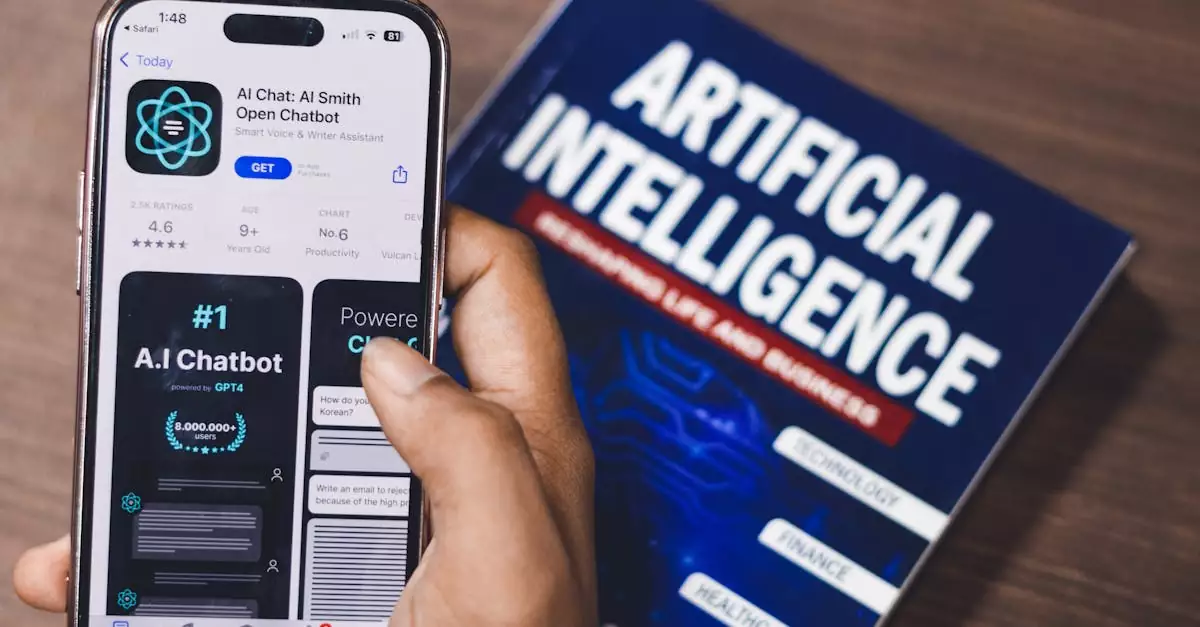
Artificial intelligence (AI) encompasses a broad set of technologies that enable machines to simulate cognitive functions such as learning, reasoning, problem-solving, and perception. These capabilities are powered by machine learning, deep learning, computer vision, natural language processing, and robotics. AI systems improve over time by processing vast datasets, uncovering patterns, and making decisions with minimal human intervention.
In 2026, AI is integrated into everyday life and business operations more deeply than ever before. From voice assistants like Alexa and Siri to complex decision-support systems in healthcare and finance, artificial intelligence technologies are ubiquitous. This expansion is fueled by advancements in computing power, data availability, and algorithm sophistication, enabling AI to tackle increasingly complex challenges.
For businesses, understanding AI’s foundational concepts is the first step toward harnessing its potential. It is not just about automation but about augmenting human capabilities, enhancing decision-making, and unlocking new revenue streams. The strategic implementation of AI requires a clear comprehension of its components and how they can be tailored to specific organizational needs.
Key Applications of Artificial Intelligence in 2026
Artificial intelligence applications continue to diversify, with significant adoption across sectors such as healthcare, finance, retail, manufacturing, and transportation. Here are some of the most impactful AI applications driving business innovation in 2026:
- Predictive Analytics: AI models analyze historical and real-time data to forecast trends, customer behaviors, and market shifts. Businesses use predictive analytics for demand forecasting, risk management, and personalized marketing.
- Natural Language Processing (NLP): NLP powers chatbots, virtual assistants, and sentiment analysis tools, improving customer service and automating communication workflows.
- Robotic Process Automation (RPA): RPA leverages AI to automate repetitive, rule-based tasks such as invoice processing, data entry, and compliance reporting, boosting operational efficiency.
- Computer Vision: In manufacturing and retail, computer vision enables quality control, inventory management, and fraud detection by analyzing visual data.
- AI in Cybersecurity: AI tools detect anomalies and potential threats faster than traditional methods, enhancing organizational security postures.
- Personalized Customer Experiences: AI algorithms customize product recommendations, pricing strategies, and marketing campaigns, elevating customer engagement.
These artificial intelligence examples in 2026 illustrate how businesses are embedding AI into core processes to create value. According to IBM’s AI research, organizations that adopt AI-driven insights see measurable improvements in productivity and customer satisfaction.
Why Artificial Intelligence Benefits Are Crucial for Business Growth
The artificial intelligence benefits for businesses extend beyond automation. AI enables companies to innovate, optimize resources, and make data-driven decisions at unprecedented speed and scale. Here are some critical advantages:
- Enhanced Efficiency: Automating routine tasks frees up human capital to focus on strategic initiatives, reducing operational costs and cycle times.
- Improved Decision-Making: AI-powered analytics provide actionable insights, reducing uncertainty and enabling proactive strategies.
- Scalability: AI systems adapt to increasing data volumes and complexity without proportional increases in overhead.
- Competitive Differentiation: Early AI adopters gain market advantages through superior customer experiences and innovative product offerings.
- Risk Mitigation: AI detects patterns that signal fraud, compliance breaches, or operational failures, enhancing organizational resilience.
For business leaders, these benefits translate into tangible outcomes like revenue growth, cost savings, and improved stakeholder trust. As highlighted in Forbes Tech Council’s analysis, the strategic adoption of AI is a critical factor in sustaining growth in competitive markets.
Emerging Artificial Intelligence Technologies and Trends Shaping 2026
Artificial intelligence trends in 2026 reflect rapid innovation and integration across multiple domains. Staying abreast of these trends is essential for businesses aiming to future-proof their AI strategies. Key trends include:
- Generative AI Models: AI systems capable of creating realistic content, from text to images and code, are transforming creative industries and automating content generation.
- Explainable AI (XAI): Increasing demand for transparency is driving the development of AI models that provide interpretable insights, essential for regulatory compliance and trust.
- Edge AI: Deploying AI algorithms on local devices reduces latency and enhances privacy, critical for IoT applications and real-time analytics.
- AI-Powered Automation Suites: Integration of AI with robotic process automation is creating end-to-end intelligent workflows across business functions.
- AI Ethics and Governance: Organizations are prioritizing ethical AI frameworks to address bias, privacy concerns, and societal impact.
- Multimodal AI: Combining data from text, images, audio, and video to enable richer contextual understanding and decision-making.
These artificial intelligence technologies are setting the stage for new business models and operational paradigms. According to SAS insights, companies that align AI adoption with emerging trends are more likely to realize sustained competitive advantages.
Real-World Use Cases Demonstrating AI’s Business Impact
Artificial intelligence in daily life and business manifests through numerous practical use cases. Here are detailed examples illustrating AI’s transformative impact across industries:
- Healthcare Diagnostics: AI algorithms analyze medical imaging and patient data to assist doctors in diagnosing diseases faster and more accurately, improving patient outcomes.
- Financial Services: Banks use AI for credit scoring, fraud detection, and algorithmic trading, enhancing risk management and operational efficiency.
- Retail Personalization: E-commerce platforms deploy AI to tailor product recommendations and optimize inventory management, boosting sales and customer loyalty.
- Manufacturing Automation: AI-driven robotics and predictive maintenance reduce downtime and improve production quality in factories.
- Customer Support: AI chatbots handle vast volumes of customer inquiries 24/7, providing quick resolutions and freeing agents for complex cases.
- Supply Chain Optimization: AI models forecast demand, optimize logistics routes, and manage supplier risks, leading to cost reductions and improved delivery times.
These use cases highlight how AI tools can be customized to address industry-specific challenges. Business executives and technology managers must evaluate similar applications to identify opportunities aligned with their strategic goals.
Balancing the Pros and Cons of Artificial Intelligence Adoption
While artificial intelligence offers many advantages, it also presents challenges that organizations must navigate carefully. Here is a balanced overview of the pros and cons based on practical experience and real-world scenarios:
| Pros | Cons |
|---|---|
| Increased operational efficiency and productivity through automation | High initial investment costs for AI infrastructure and expertise |
| Enhanced decision-making with data-driven insights | Potential job displacement and workforce disruption |
| Ability to scale processes and innovate rapidly | Ethical concerns around bias, privacy, and transparency |
| Improved customer experiences and personalization | Complexity in integrating AI with legacy systems |
| Better risk management and fraud detection | Dependence on data quality and availability |
Understanding these pros and cons enables business leaders to develop balanced AI strategies that maximize benefits while mitigating risks. This approach ensures sustainable AI adoption aligned with organizational values and goals.
Critical Success Factors for Implementing AI Beyond Technology
From an expert perspective, successful AI integration varies widely by industry and depends on more than just technology capabilities. Based on testing and practical experience, the following factors are essential for effective AI adoption:
- Clear Business Objectives: Define specific problems AI should solve rather than adopting AI for its own sake.
- Data Strategy: Ensure high-quality, relevant, and ethically sourced data to train AI models effectively.
- Cross-Functional Collaboration: Foster cooperation between IT, data science teams, and business units to align AI initiatives with operational needs.
- Change Management: Address workforce concerns proactively and provide training to integrate AI tools smoothly.
- Governance and Ethics: Implement policies to monitor AI outcomes, promote transparency, and uphold ethical standards.
- Scalable Infrastructure: Invest in flexible cloud or hybrid architectures that support evolving AI workloads.
These critical success factors emphasize that AI is as much a cultural and organizational transformation as it is a technological one. Business leaders must prioritize these elements to realize AI’s full potential.
Conclusion: Navigating the Future of Artificial Intelligence in Business
Artificial intelligence in 2026 is a powerful enabler of business transformation, offering diverse applications and significant benefits. However, successful AI adoption requires thoughtful strategy, ethical considerations, and alignment with organizational goals. By understanding AI technologies, emerging trends, and real-world use cases, business leaders can make informed decisions that drive innovation and competitive advantage.
As AI continues to evolve, staying current with advancements and focusing on critical success factors beyond technology will be key to unlocking its full impact. Embracing AI responsibly will empower companies to thrive in an increasingly digital and data-driven world.
Frequently Asked Questions About Artificial Intelligence in 2026
What industries benefit the most from artificial intelligence in 2026?
Industries such as healthcare, finance, retail, manufacturing, and logistics are among the top beneficiaries of AI in 2026. AI enhances diagnostics, risk management, customer personalization, automation, and supply chain optimization, driving efficiency and innovation across these sectors.
How can businesses choose the right AI tools for their needs?
Choosing the right AI tools involves assessing business objectives, data availability, integration capabilities, scalability, and vendor support. Organizations should prioritize solutions that align with their strategic goals and offer transparency and ethical compliance.
What are common mistakes companies make when implementing AI?
Common mistakes include lacking clear objectives, underestimating data quality needs, neglecting change management, ignoring ethical considerations, and rushing adoption without proper governance. These pitfalls can hinder AI’s effectiveness and create risks.
How is artificial intelligence impacting the workforce?
AI is automating repetitive tasks, enabling employees to focus on higher-value activities. While it may lead to job displacement in some areas, it also creates new roles requiring AI oversight, data analysis, and innovation, necessitating workforce reskilling.
What are the emerging trends in artificial intelligence to watch in 2026?
Key trends include generative AI, explainable AI, edge AI, AI-powered automation suites, ethical AI governance, and multimodal AI. These developments are expanding AI’s capabilities and applications across industries.
How does AI adoption vary by industry?
AI adoption varies based on industry-specific challenges, regulatory environments, data availability, and workforce dynamics. For example, healthcare emphasizes accuracy and privacy, while retail focuses on personalization and supply chain efficiency.
Where can I learn more about artificial intelligence for business?
Trusted resources include IBM’s AI research (IBM AI), SAS insights on AI (SAS AI), and expert analyses like those from Forbes Tech Council.