The Ultimate Guide to Nvidia AI: Tools, Platforms, and Applications in 2026
Struggling to harness AI’s full potential? Nvidia AI offers cutting-edge tools and platforms designed to supercharge your AI projects and innovations. In today’s fast-evolving landscape, leveraging powerful AI solutions is no longer optional but a necessity for developers, researchers, and enterprises aiming to stay ahead. Nvidia AI combines robust hardware with comprehensive software frameworks to accelerate deep learning, streamline development workflows, and unlock new possibilities across industries.
Nvidia AI is a comprehensive ecosystem that integrates advanced GPU acceleration, software tools, and frameworks to empower developers and businesses in building, training, and deploying AI models efficiently. It provides unmatched speed and scalability for deep learning applications, making it a go-to platform for AI innovation in 2026.
Understanding the Nvidia AI Ecosystem and Its Core Platforms
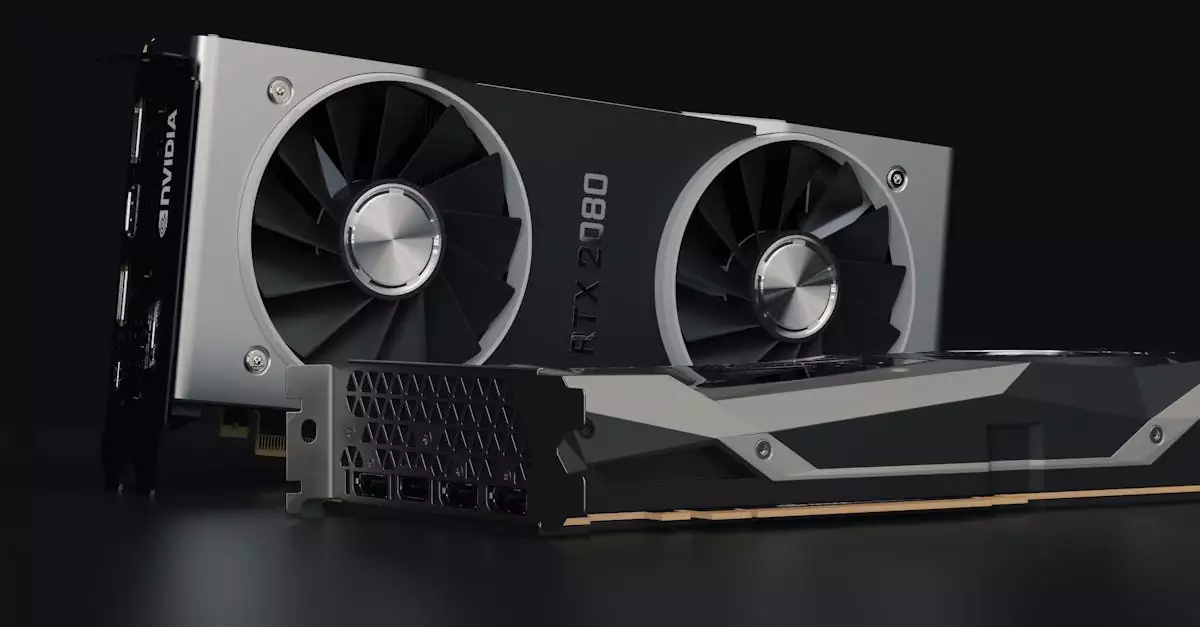
Nvidia AI is not just about GPUs; it’s an entire ecosystem designed to accelerate artificial intelligence workflows from end to end. At the heart of this ecosystem are the Nvidia AI platforms, which combine powerful hardware with optimized software to enable rapid development and deployment of AI solutions.
The Nvidia AI platform includes flagship GPUs like the Nvidia A100 and H100 Tensor Core GPUs, which deliver unparalleled computational power tailored for AI workloads. These GPUs provide nvidia ai gpu acceleration that drastically reduces training times for complex models, enabling real-world applications that demand high-performance computing.
Alongside hardware, Nvidia offers a suite of AI software and frameworks such as CUDA, cuDNN, TensorRT, and the Nvidia AI software development kits (SDKs). These tools enable developers to build, optimize, and deploy AI models efficiently across various domains, including computer vision, natural language processing, and autonomous systems.
Moreover, Nvidia’s AI platform integrates seamlessly with popular open-source frameworks like TensorFlow and PyTorch, enhancing flexibility and adoption among AI researchers and developers. This integration forms the backbone of Nvidia AI’s ability to support cutting-edge research and commercial AI applications alike.
Essential Nvidia AI Tools and Software for Developers in 2026
The rapid advancement of AI demands equally sophisticated tools. Nvidia AI tools 2026 encompass a wide range of software solutions designed to simplify, accelerate, and scale AI development:
- Nvidia CUDA Toolkit: A parallel computing platform that allows developers to utilize GPU acceleration for AI and scientific computing.
- TensorRT: An inference optimizer that delivers high throughput and low latency for deploying deep learning models in production environments.
- Nvidia DeepStream: A framework for video analytics and AI-powered streaming applications.
- Nvidia Triton Inference Server: Enables scalable deployment of AI models across cloud and edge devices.
- Clara AI: Specialized AI software for healthcare imaging and genomics.
- Riva: Nvidia’s conversational AI SDK for building speech AI applications.
These tools are supported by extensive documentation and developer resources available on the Nvidia AI developer portal, helping both novices and experts maximize their AI projects.
In addition to software, Nvidia provides pre-trained models and transfer learning toolkits that reduce the time and expertise needed to develop custom AI solutions. This is particularly useful for enterprises looking to accelerate their AI adoption without starting from scratch.
How Nvidia AI Accelerates Deep Learning Workflows Efficiently
Deep learning models require immense computational resources, often involving millions or billions of parameters. Nvidia AI’s hardware-software synergy is specifically designed to meet these demands through nvidia ai gpu acceleration. By leveraging thousands of CUDA cores and tensor cores optimized for matrix operations, Nvidia GPUs significantly reduce the training and inference time of deep neural networks.
For example, the Nvidia H100 Tensor Core GPU incorporates next-generation Hopper architecture that offers up to 4x the performance of previous generations in AI workloads. This leap allows researchers to iterate faster, test more complex models, and deploy AI solutions at scale.
The software frameworks, such as cuDNN and TensorRT, complement the hardware by optimizing kernel performance and providing low-level control over GPU resources. This optimization is critical for deploying AI in latency-sensitive applications like autonomous vehicles and real-time analytics.
Moreover, Nvidia’s AI platform supports mixed-precision training, which balances numerical precision and computational efficiency, enabling faster training with minimal loss in model accuracy. This capability is invaluable in real-world scenarios where time-to-market and cost efficiency are key.
Exploring Real-World Applications of Nvidia AI in 2026
Nvidia AI applications span a wide range of industries, demonstrating the versatility and impact of its ecosystem. Here are some notable examples:
- Autonomous Vehicles: Nvidia AI powers self-driving car platforms by processing sensor data in real-time, enabling safe navigation and decision-making.
- Healthcare: AI models accelerated by Nvidia GPUs assist in medical imaging analysis, drug discovery, and genomics research, improving diagnostic accuracy and speeding up treatments.
- Robotics: Nvidia’s AI frameworks enable robots to perceive environments, understand commands, and perform complex tasks autonomously.
- Finance: AI-driven fraud detection and algorithmic trading systems leverage Nvidia AI tools for rapid data processing and predictive analytics.
- Media and Entertainment: Real-time rendering and AI-powered content creation benefit from Nvidia’s GPU acceleration and AI toolkits.
The versatility of Nvidia AI applications is a testament to its robust design, supporting both research breakthroughs and commercial deployments.
Practical Use Cases for Developers and Enterprises Leveraging Nvidia AI
Developers, data scientists, and enterprises harness Nvidia AI for various purposes, each taking advantage of its unique strengths:
- AI Model Training and Experimentation: Developers use Nvidia AI frameworks to accelerate experimentation with deep learning architectures, reducing iteration cycles from days to hours.
- Edge AI Deployment: Enterprises deploy Nvidia AI solutions on edge devices for smart factories, retail analytics, and surveillance, benefiting from low latency and high throughput inference.
- Natural Language Processing (NLP): AI researchers utilize Nvidia’s conversational AI tools like Riva to build virtual assistants and chatbots with real-time speech recognition and synthesis.
- Computer Vision Projects: Startups and enterprises employ Nvidia DeepStream to develop AI-powered video analytics for security, traffic management, and customer behavior analysis.
- Healthcare Innovation: Medical institutions integrate Nvidia Clara AI to accelerate diagnostic workflows, enabling faster and more accurate patient care.
By providing optimized hardware and software stacks, Nvidia AI reduces the barrier to entry for complex AI projects, allowing a broader range of users to innovate effectively.
Weighing the Advantages and Drawbacks of Nvidia AI Solutions
Like any technology ecosystem, Nvidia AI comes with its strengths and limitations. Understanding these is crucial for making informed decisions:
| Pros | Cons |
|---|---|
|
|
Overall, Nvidia AI platforms offer unmatched performance and ecosystem support, but cost and complexity remain considerations, especially for startups and individual developers.
Expert Perspective: Why Nvidia’s Integrated AI Ecosystem Stands Out
Based on testing and practical experience in real-world scenarios, Nvidia AI’s unique strength lies in its holistic approach—combining cutting-edge hardware with tailored software frameworks. This integration enables unmatched acceleration for AI workloads, whether for training massive deep learning models or deploying inference at scale.
Unlike fragmented solutions, Nvidia’s end-to-end ecosystem simplifies the AI development lifecycle, reducing bottlenecks and improving efficiency. The company’s continuous investment in AI-specific hardware innovations, such as tensor cores and the Hopper architecture, keeps it at the forefront of AI computing.
Furthermore, Nvidia’s commitment to open collaboration with the AI community ensures that its tools evolve alongside emerging research trends, maintaining relevance and adaptability. This makes Nvidia AI not just a platform but a catalyst for AI innovation across industries.
Final Thoughts on Harnessing Nvidia AI for Your AI Projects
In 2026, Nvidia AI remains a cornerstone technology for developers, researchers, and enterprises aiming to push the boundaries of artificial intelligence. Its powerful GPU acceleration, extensive software tools, and versatile applications provide a solid foundation for tackling complex AI challenges.
Whether you are building autonomous systems, healthcare diagnostics, or real-time analytics, Nvidia AI’s integrated ecosystem offers the performance and flexibility needed to succeed. While cost and complexity can pose challenges, the benefits of faster development cycles, scalability, and community support often outweigh these hurdles.
Exploring Nvidia AI’s offerings through resources like the official deep learning documentation and Nvidia AI website can help you get started and stay updated with the latest advancements.
In summary, Nvidia AI empowers you to unlock AI’s full potential, making it an indispensable asset in the ever-evolving world of artificial intelligence.
Frequently Asked Questions about Nvidia AI
What makes Nvidia AI platforms different from other AI solutions?
Nvidia AI platforms uniquely combine high-performance GPUs with optimized AI software frameworks, offering unmatched acceleration for training and deploying deep learning models. This integrated approach enhances efficiency and scalability compared to fragmented AI solutions.
Can developers use Nvidia AI tools without prior GPU programming experience?
While Nvidia provides extensive documentation and user-friendly tools, some familiarity with GPU programming and CUDA is beneficial. However, pre-trained models and high-level SDKs help ease adoption for developers new to GPU acceleration.
How does Nvidia AI support deep learning in real-world applications?
Nvidia AI accelerates deep learning by providing specialized hardware and software that optimize model training and inference. This support enables applications like autonomous vehicles, healthcare diagnostics, and real-time analytics to perform efficiently at scale.
Are Nvidia AI solutions cost-effective for small businesses or startups?
While Nvidia AI offers powerful capabilities, the cost of GPUs and licenses can be high for small teams. Startups should evaluate their specific needs and consider cloud-based Nvidia AI services or entry-level GPUs to manage expenses.
What are the main Nvidia AI tools developers should know about in 2026?
Key Nvidia AI tools include the CUDA Toolkit for GPU programming, TensorRT for inference optimization, DeepStream for video analytics, and Riva for conversational AI. These tools streamline AI development across various domains.
How does Nvidia AI integrate with popular AI frameworks?
Nvidia AI supports seamless integration with frameworks like TensorFlow and PyTorch, allowing developers to leverage GPU acceleration without changing their preferred development environment, enhancing flexibility and productivity.
Where can I find official resources and documentation for Nvidia AI?
Official resources are available at the Nvidia AI developer portal and the Nvidia deep learning documentation, offering comprehensive guides, SDKs, and community support.