The Ultimate Guide to AI Generated Content: How It Works and Top Uses in 2026
Struggling to keep up with content demands? AI generated content might be the game-changer you need to create quality work faster and smarter. In today’s fast-paced digital world, producing engaging and diverse content consistently is a challenge for creators, marketers, and businesses alike. Fortunately, advances in artificial intelligence (AI) have revolutionized content creation, enabling users to generate text, images, music, and video with unprecedented speed and creativity.
This comprehensive guide explores how AI generated content works, introduces the best AI tools available in 2026, and reveals practical use cases across industries. Whether you’re a content creator looking to enhance productivity, a marketer aiming for innovative campaigns, or an educator seeking fresh teaching materials, understanding AI generated content is essential to stay ahead.
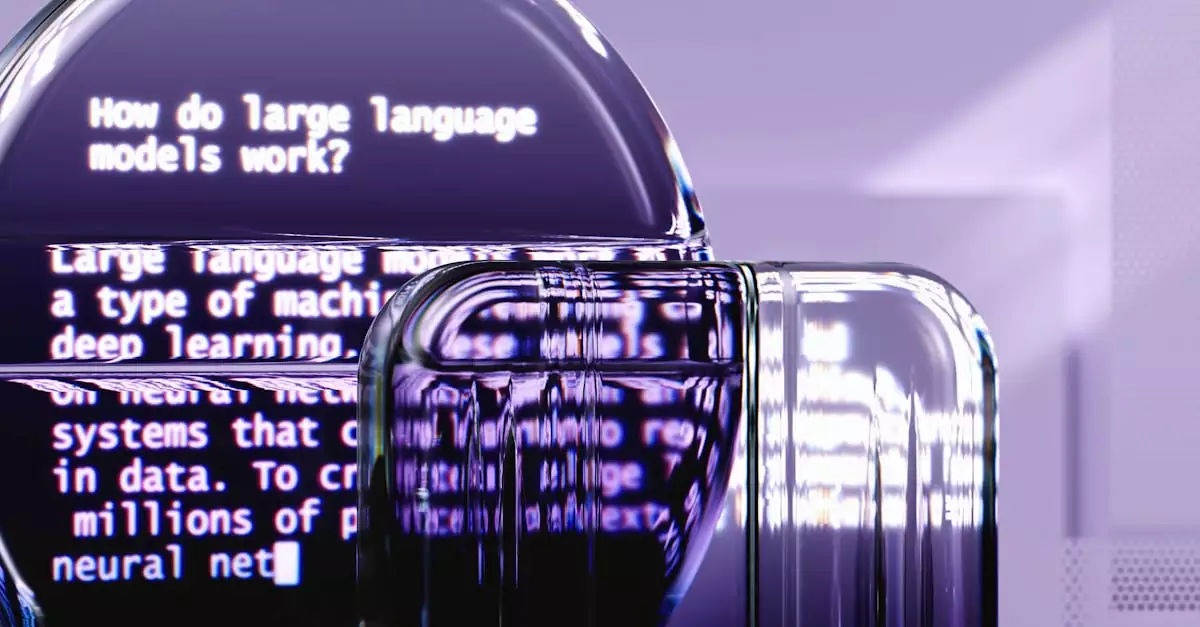
AI generated content refers to digital media—such as text, images, music, or video—produced through artificial intelligence algorithms. These systems analyze vast datasets to create original, relevant, and often customizable outputs, transforming creative workflows in real-world scenarios.
Understanding How AI Creates Text, Images, Music, and Video
AI generated content is crafted using sophisticated models that learn patterns from extensive datasets. For text, natural language processing (NLP) models like GPT analyze contextual information to generate coherent and contextually appropriate writing. In the case of images, AI uses generative adversarial networks (GANs) or diffusion models to synthesize realistic visuals from user prompts or data inputs.
AI generated music platforms leverage deep learning architectures to compose melodies, harmonies, and rhythms that mimic human creativity. Similarly, AI generated video technology combines frame synthesis, motion prediction, and style transfer to produce dynamic video content. All these processes rely on training AI systems on massive datasets, enabling them to generate unique content that aligns with user requirements.
For example, OpenAI’s research has significantly advanced text and image generation through models like GPT and DALL·E, while frameworks like TensorFlow empower developers to build custom AI applications. Google’s AI blog (ai.googleblog.com) regularly shares breakthroughs in video and audio generation technology.
Top AI Tools Transforming Content Creation in 2026
The market offers an expanding suite of AI generated content tools tailored for different media types. Here are some of the best AI generated text software and platforms for other content forms:
- Text Generation: Tools like Jasper, Writesonic, and OpenAI’s GPT-4 provide advanced AI generated writing benefits, including blog posts, social media content, and product descriptions with high accuracy.
- Image Creation: AI generated images tools such as Midjourney, DALL·E 3, and Stable Diffusion allow users to create detailed artwork, marketing visuals, and concept designs from simple text prompts.
- Music Composition: Platforms like Amper Music, AIVA, and Soundraw use AI to compose royalty-free music tailored to moods and genres, ideal for videos and podcasts.
- Video Production: AI generated video technology tools like Runway ML and Synthesia enable automated video creation, including deepfake avatars, text-to-video, and style transfer effects.
These tools not only accelerate content creation but also enable rapid prototyping and iteration, allowing creators to experiment with different styles and formats efficiently.
Real-World Applications of AI Generated Content Across Industries
AI generated content has found a strong foothold in multiple professional domains, enhancing productivity and creative output. Here are some prominent use cases based on practical experience and industry trends:
- Content Creators: Bloggers, writers, and social media influencers use AI generated text software to draft articles, captions, and scripts, saving time and improving content quality.
- Marketers: AI generated art for marketing campaigns creates eye-catching visuals and personalized messages that resonate with target audiences, boosting engagement and conversion rates.
- Digital Artists: Artists leverage AI generated images tools to explore new artistic styles, generate concept art, and refine their creative process faster than traditional methods.
- Musicians and Audio Producers: AI generated music platforms assist composers in creating background scores, jingles, and soundscapes, streamlining the music production pipeline.
- Educators: Teachers and instructional designers use AI to generate multimedia content, including videos, quizzes, and interactive lessons, enhancing student engagement and learning outcomes.
These examples reflect how AI generated content is reshaping workflows, enabling professionals to focus on higher-level creativity and strategy.
How to Select the Best AI Generated Content Tool for Your Needs
Choosing the right AI generated content tool depends on your specific goals, content type, and budget. Here are key factors to consider:
- Content Quality and Accuracy: Evaluate the tool’s ability to produce relevant, coherent, and factually correct content. Look for platforms with strong AI generated content accuracy, especially for text-based applications.
- Ease of Use: User-friendly interfaces and customization options help streamline your workflow and reduce the learning curve.
- Media Compatibility: Select tools specialized in the content format you need, whether text, images, music, or video.
- Integration and Export Options: Tools that seamlessly integrate with your existing software stack and offer multiple export formats enhance productivity.
- Cost and Licensing: Consider subscription fees, usage limits, and licensing terms, especially if you plan to use AI generated art for marketing or commercial projects.
- Support and Updates: Opt for tools backed by active development teams and responsive customer support to ensure ongoing improvements and reliability.
Testing multiple platforms through free trials or demos can provide practical insights into which AI generated content solution best fits your workflow.
Common Pitfalls When Using AI Generated Content and How to Avoid Them
While AI generated content offers numerous benefits, users must navigate certain challenges to maximize results:
- Overreliance on AI: Relying solely on AI can lead to generic or repetitive outputs. Always apply human editing and creativity to refine content.
- Ethical Concerns: Be mindful of copyright issues, data privacy, and transparency when using AI generated art for marketing or publishing.
- Quality Control: AI models sometimes produce inaccurate or nonsensical content—regularly fact-check and review outputs for quality assurance.
- Ignoring Audience Needs: Customizing AI outputs to align with your target audience’s preferences remains essential for engagement.
- Technical Limitations: Some AI generated video technology or music platforms may require high computational resources, impacting accessibility.
Addressing these pitfalls with informed strategies ensures AI tools complement rather than replace human creativity.
Balanced Pros and Cons of AI Generated Content Tools
Based on testing and real-world scenarios, here is an honest overview of the advantages and disadvantages of using AI generated content tools:
| Pros | Cons |
|---|---|
|
|
How AI Generated Content is Revolutionizing Creative Workflows
From practical experience and industry analysis, AI generated content is transforming creative workflows by enabling rapid prototyping and iteration across multiple media types. Instead of starting from scratch, creators can generate numerous variations in minutes, test ideas, and refine outputs based on immediate feedback.
This accelerated innovation cycle empowers teams to experiment boldly and respond quickly to market trends or audience preferences. For instance, marketers can instantly produce multiple AI generated art for marketing campaigns, compare performance, and optimize messaging — all without extensive manual effort.
Moreover, AI tools democratize creativity by providing sophisticated capabilities to individuals regardless of technical skill level. This shift fosters collaboration between human intuition and machine intelligence, resulting in richer and more diverse content ecosystems.
Final Thoughts: Embracing AI Generated Content in 2026 and Beyond
AI generated content is no longer a futuristic concept but an integral part of modern content creation strategies. By understanding how AI generates text, images, music, and video, and by selecting the right tools, professionals can dramatically enhance their output quality and efficiency.
While challenges remain, including ethical considerations and quality control, the benefits of AI generated content—ranging from creativity boosts to cost savings—are undeniable. As AI technology continues to evolve, staying informed and adaptable will be key to leveraging its full potential in your creative workflows.
Whether you’re a content creator, marketer, digital artist, musician, or educator, integrating AI generated content into your processes can help you meet the growing demand for engaging, high-quality digital media in 2026 and beyond.
Frequently Asked Questions About AI Generated Content
What exactly is AI generated content?
AI generated content is digital material created by artificial intelligence algorithms, including text, images, music, and video. These systems learn from large datasets to produce original and contextually relevant outputs that assist or automate creative tasks.
How is AI generated content created?
AI content creation typically involves training machine learning models on vast datasets, enabling them to recognize patterns and generate new content. Techniques vary by media type, such as natural language processing for text and generative adversarial networks for images.
What are some popular AI generated images tools?
Leading AI generated images tools include Midjourney, DALL·E 3, and Stable Diffusion. These platforms allow users to create detailed, customizable visuals from textual prompts, widely used in marketing and digital art.
Can AI generated music platforms replace human composers?
While AI generated music platforms like Amper Music and AIVA can compose melodies and soundscapes efficiently, they complement rather than replace human creativity by providing rapid prototyping and inspiration.
What are the benefits of using AI generated writing?
AI generated writing offers benefits such as faster content production, improved consistency, idea generation, and the ability to customize tone and style, helping writers overcome blocks and meet tight deadlines.
Are there any risks with AI generated content?
Risks include potential inaccuracies, ethical issues like plagiarism, and overdependence on AI that may reduce human creativity. It’s important to review and edit AI outputs carefully.
How can I ensure the accuracy of AI generated content?
To maintain accuracy, cross-check facts, use reputable AI tools known for high accuracy, and apply human judgment during editing. Combining AI outputs with expert review yields the best results.