Best AI Story Generators in 2026
Can’t come up with story ideas? For writers and creators alike, the challenge of crafting engaging narratives can often feel daunting. Fortunately, the rise of AI tools for storytelling has transformed the creative process, making it easier than ever to generate compelling stories with just a few prompts. Whether you’re a novelist stuck in writer’s block or a content creator seeking fresh ideas, AI story generators offer a powerful solution to spark your imagination and streamline your writing workflow.
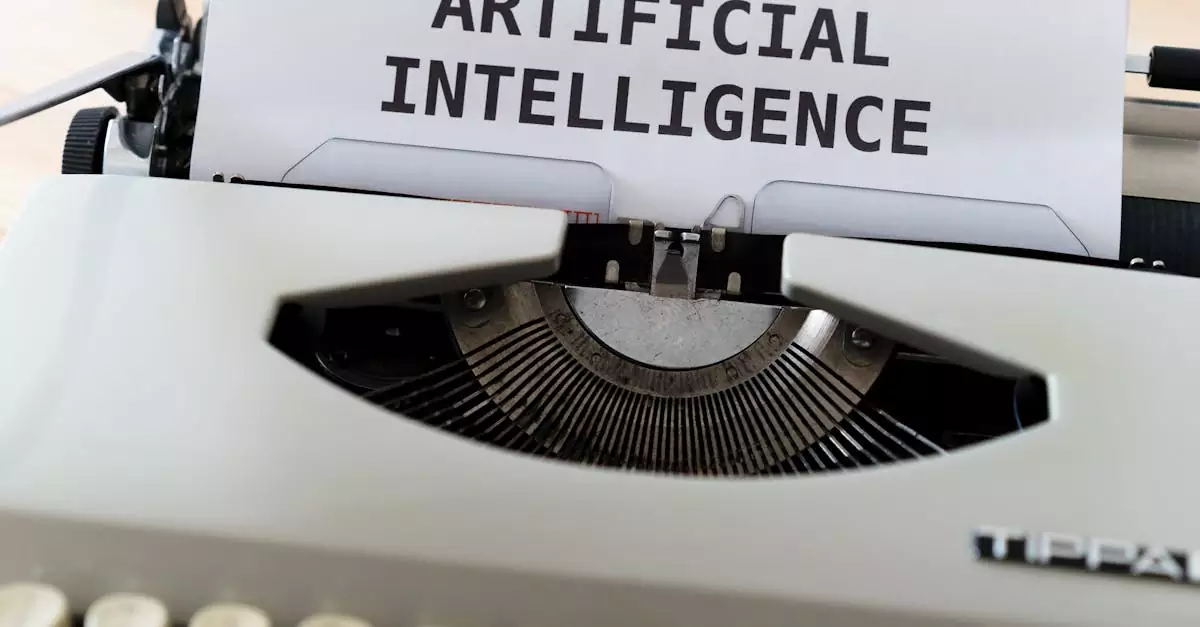
AI tools for storytelling are advanced software solutions designed to help generate creative narratives by leveraging machine learning and natural language processing. These tools can produce story ideas, plot outlines, character development, and full-length prose, making them invaluable for writers looking to enhance productivity and creativity.
Exploring the Top AI Story Generators Revolutionizing Writing in 2026

In 2026, the landscape of AI story generators has become richer and more sophisticated, offering diverse features tailored to different writing needs. Some of the best AI tools for storytelling include:
- OpenAI’s ChatGPT: Powered by GPT-4 architecture, ChatGPT excels in generating coherent and contextually rich narratives. Its versatility allows writers to brainstorm ideas, develop characters, and even draft entire chapters with conversational ease. You can explore more about OpenAI’s capabilities at OpenAI.
- Sudowrite: Specifically designed for creative writers, Sudowrite offers features like rewriting, expanding, and describing scenes. It helps overcome writer’s block by suggesting vivid imagery and alternative phrasings, making storytelling more immersive.
- AI Dungeon: A dynamic AI story generator that offers interactive storytelling experiences, enabling writers to co-create adventures in real-time. It’s especially popular among game writers and interactive fiction enthusiasts.
- Writesonic: While primarily a marketing copy tool, Writesonic’s AI story generator module crafts engaging stories and narratives quickly, suitable for writers seeking inspiration or short story creation.
- NovelAI: Focused on long-form storytelling, NovelAI provides customizable AI models that adapt to your writing style, allowing for personalized story generation and deeper creative control.
Each of these AI story generators offers unique strengths, catering to different writing styles and project scopes. Writers can experiment with multiple tools to find the one that best fits their creative workflow.
How AI Story Generators Enhance Creativity and Productivity for Writers
AI story generators are more than just novelty tools—they play a crucial role in modern storytelling by providing several tangible benefits:
- Overcoming Writer’s Block: AI tools offer fresh ideas and new directions when writers feel stuck, helping to reignite creativity based on prior prompts or story contexts.
- Speeding Up Drafting: Generating paragraphs or entire scenes rapidly helps writers maintain momentum and meet deadlines without sacrificing quality.
- Expanding Story Depth: AI can suggest complex character traits, plot twists, and world-building elements that might not have been initially considered.
- Customization and Flexibility: Many AI story generators learn from user feedback and adapt to preferred tones, genres, and styles, making the output more personalized over time.
- Collaboration and Experimentation: Writers can use AI as a creative partner to explore multiple narrative possibilities, test different endings, or refine dialogue.
By integrating AI story generators into their writing processes, authors can focus more on creative decision-making while leveraging AI’s computational strengths for routine or challenging tasks.
Choosing the Right AI Story Generator for Your Writing Needs
Selecting the best AI tool for storytelling depends on several factors specific to your writing goals and preferences. Here are key considerations to guide your choice:
- Type of Writing: Are you focused on short stories, novels, scripts, or interactive fiction? Tools like NovelAI excel in long-form content, while AI Dungeon suits interactive storytelling.
- Customization Options: If you want a tool that adapts to your style, look for AI generators offering training or fine-tuning capabilities.
- User Interface and Ease of Use: Some platforms offer intuitive chat-based interfaces (e.g., ChatGPT), while others provide detailed control panels for story parameters.
- Budget and Pricing Models: Many AI tools operate on subscription models with tiered features. Evaluate whether free trials or freemium versions meet your needs before committing.
- Integration and Export Options: Consider whether the tool supports exporting to formats compatible with your writing software or integrates with platforms like WordPress.
- Community and Support: Tools with active user communities and responsive support can offer additional inspiration and problem-solving assistance.
By carefully assessing these factors, writers can identify the AI story generator that aligns best with their creative process and project requirements.
Common Pitfalls to Avoid When Using AI Story Generators
While AI tools for storytelling offer remarkable advantages, there are common mistakes writers should be mindful of to maximize their benefits:
- Overreliance on AI Output: Treat AI-generated text as a starting point, not the final product. Overdependence can dilute your unique voice and creativity.
- Ignoring Quality Control: AI can produce inconsistencies or factual errors. Always review, edit, and refine outputs carefully.
- Neglecting Ethical Considerations: Ensure that AI-generated content respects copyright laws and avoids plagiarism or sensitive topics without proper handling.
- Using Generic Prompts: Vague or broad prompts lead to less useful outputs. Providing detailed context helps AI deliver more relevant and creative suggestions.
- Failing to Experiment: Limiting yourself to one AI tool or approach may restrict creative potential. Explore multiple tools and techniques to find what works best.
By avoiding these pitfalls, writers can harness AI story generators effectively while maintaining artistic integrity and originality.
Real-World Applications of AI Story Generators for Writers and Creators
AI story generators are being used across a variety of writing and creative domains, demonstrating their versatility and practical value:
- Novel Writing: Authors use AI to brainstorm plot ideas, develop characters, and draft chapters faster, especially during initial story development phases.
- Screenwriting and Script Development: AI helps generate dialogue, scene descriptions, and alternative story arcs for film, TV, and video game scripts.
- Content Creation for Marketing: Writers produce engaging narratives for brand storytelling, social media campaigns, and advertisements with AI assistance.
- Interactive Fiction and Gaming: Game designers leverage AI story generators to create dynamic storylines and immersive player experiences.
- Educational Materials: Teachers and educators develop creative writing prompts and storytelling exercises enhanced by AI tools.
- Blogging and Article Writing: Bloggers use AI to overcome writer’s block, generate content outlines, and create captivating introductions or conclusions.
These diverse use cases highlight how AI story generators support creativity and productivity in multiple writing contexts, helping creators produce high-quality content efficiently.
Analyzing the Pros and Cons of AI Story Generators in Creative Writing
Understanding the strengths and limitations of AI tools for storytelling is essential to leveraging them effectively. Based on testing and real-world scenarios, here’s a balanced overview:
| Pros | Cons |
|---|---|
|
|
While AI story generators are powerful aids, writers must apply critical judgment and creativity to refine AI-produced content into polished, authentic works.
How AI is Helping Writers Break Through Creative Barriers
Based on practical experience, one of the most significant impacts of AI tools for storytelling is their ability to help writers overcome creative blocks. Writer’s block can stall projects for days or weeks, causing frustration and lost productivity. AI story generators serve as an ever-ready brainstorming partner, offering fresh ideas, alternative plot developments, or unique character traits that writers might not have considered.
This collaborative relationship between human creativity and AI assistance enables writers to maintain creative momentum, explore new narrative directions, and ultimately produce richer stories. The ability of AI to rapidly generate multiple story variations also allows for experimentation without the pressure of starting from scratch, fostering innovation and confidence in the writing process.
Wrapping Up: Why AI Story Generators Are Essential Tools for Modern Writers
In 2026, AI tools for storytelling have become indispensable assets for writers and creators seeking to enhance their creative workflows. By providing innovative ways to generate ideas, draft narratives, and overcome writer’s block, AI story generators empower writers to focus on what truly matters—the art of storytelling.
As these tools continue to evolve, they will undoubtedly offer even greater customization, contextual understanding, and creative support. To get started, explore platforms like OpenAI and experiment with different AI story generators to find your perfect creative companion.
Embracing AI in storytelling doesn’t replace human creativity—it amplifies it, opening new horizons for writers to tell captivating stories that resonate with readers worldwide.
Frequently Asked Questions About AI Story Generators
- What are AI story generators?
AI story generators are software tools that use artificial intelligence to help create stories by generating text based on user prompts, assisting with idea generation, plot development, and writing drafts.
- Can AI story generators replace human writers?
No, AI tools are designed to support and enhance human creativity, not replace it. Writers still need to guide, edit, and refine AI-generated content to ensure quality and originality.
- Are AI story generators suitable for all genres?
Most AI story generators can handle a wide range of genres, but some tools may specialize or perform better in particular styles like fantasy, sci-fi, or interactive fiction.
- How can AI help overcome writer’s block?
AI provides fresh ideas, alternative story paths, and prompts that can inspire writers when they feel stuck, helping to reignite creativity and maintain writing momentum.
- Are there any ethical concerns with using AI-generated stories?
Yes, writers should ensure AI-generated content doesn’t infringe on copyrights, avoid plagiarism, and be transparent about AI usage to maintain ethical standards.
- Do AI story generators require technical skills?
Most AI story generators feature user-friendly interfaces that require no technical expertise, making them accessible to writers of all backgrounds.
- Where can I find reliable AI story generator tools?
Popular and reliable AI story generators include OpenAI’s ChatGPT, Sudowrite, AI Dungeon, Writesonic, and NovelAI, many of which offer free trials or demos.