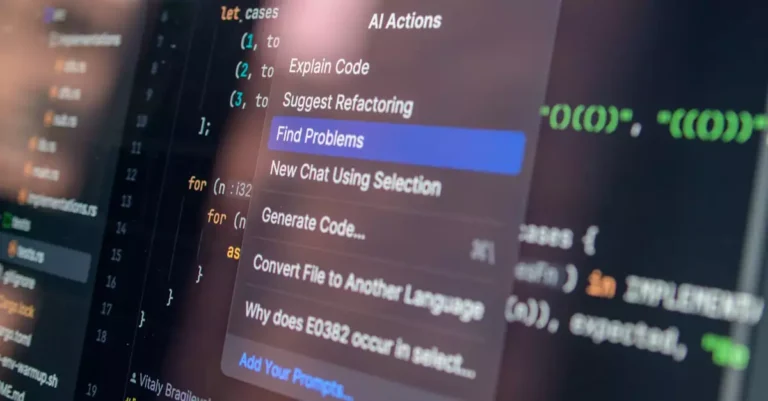
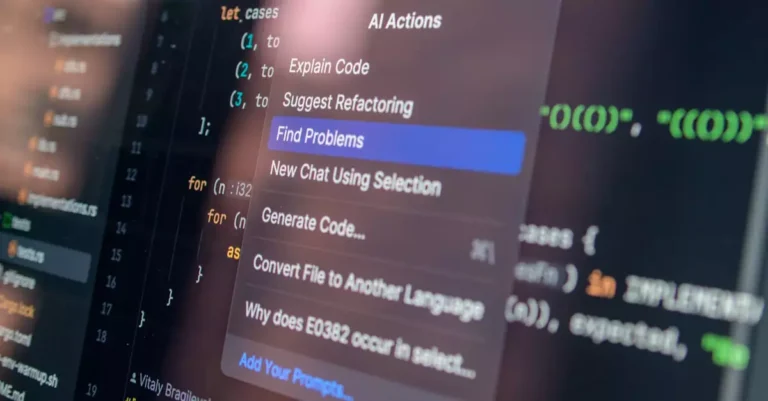
Struggling to keep up with customer demands and automate repetitive tasks? AI bots are the game-changers that can boost your business productivity and customer satisfaction effortlessly.
In today’s fast-paced digital environment, businesses are constantly seeking innovative ways to improve efficiency, reduce operational costs, and enhance customer interactions. AI bots have emerged as a revolutionary solution, transforming how companies operate across various sectors. From automating routine tasks to providing personalized customer service, these intelligent tools are reshaping the business landscape in 2026.
ai bots are software applications powered by artificial intelligence designed to simulate human-like interactions and automate complex workflows. They can understand, learn, and respond to user inputs, making them invaluable assets for businesses aiming to scale efficiently without compromising quality. Whether it’s handling customer queries, streamlining marketing campaigns, or managing ecommerce operations, AI bots are becoming indispensable in driving digital transformation.
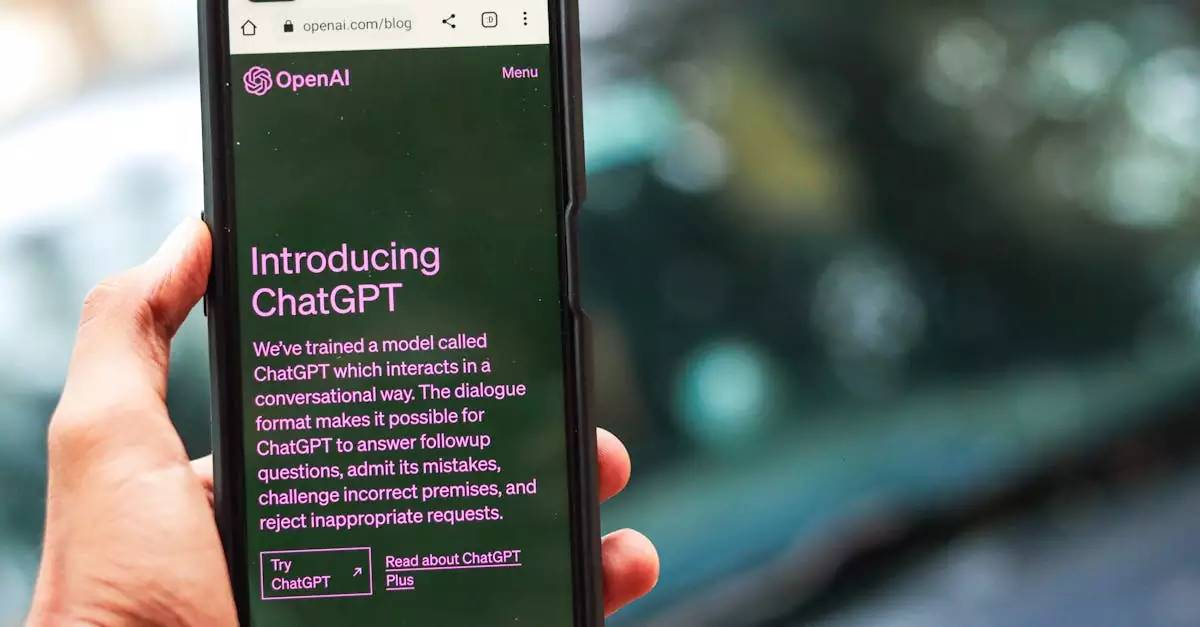
Top 10 AI Bots Revolutionizing Business Efficiency in 2026
With a surge in demand for automation, several ai bots for business have stood out due to their advanced capabilities, ease of integration, and proven results. Here’s a curated list of the best ai bots for business that are making waves this year:
| AI Bot | Primary Use | Key Features | Best For |
|---|---|---|---|
| IBM Watson Assistant | Customer Service | Natural Language Processing, Multi-channel Support, Contextual Understanding | Enterprises & Tech Startups |
| Drift | Marketing Automation | Conversational Marketing, Lead Qualification, CRM Integration | Digital Marketers & Sales Teams |
| Zendesk Answer Bot | Customer Support | Self-service Automation, Ticket Deflection, AI-powered Suggestions | Customer Service Managers |
| ManyChat | Marketing & Ecommerce | Facebook Messenger Integration, Campaign Automation, Analytics | Ecommerce Entrepreneurs & Small Businesses |
| Intercom | Customer Engagement | Multi-channel Messaging, Custom Bots, Behavioral Targeting | Tech Startups & SaaS Companies |
| LivePerson | Customer Service & Sales | AI Chatbots 2026 with NLP, Voice Capabilities, Real-time Analytics | Large Enterprises & Retail |
| HubSpot Chatbot Builder | Marketing Automation | CRM Integration, Lead Capture, Automated Workflows | Small Business Owners & Marketers |
| Chatfuel | Ecommerce & Customer Support | Facebook & Instagram Bots, Custom AI Bots Development, Analytics | Ecommerce Entrepreneurs |
| Bold360 by LogMeIn | Customer Service | AI-Powered Chat, Omnichannel Support, Contextual Understanding | Customer Support Teams |
| Rasa | Custom AI Bots Development | Open Source, Highly Customizable, On-premise Deployment | Developers & Enterprises |
How AI Bots Enhance Customer Service and Operational Efficiency
One of the most significant advantages of ai bots for business is their ability to enhance customer service while streamlining internal operations. In real-world scenarios, AI bots improve efficiency by handling high volumes of repetitive inquiries instantly, freeing up human agents for more complex tasks.
AI chatbots 2026 leverage advanced natural language processing (NLP) and machine learning models to understand user intent and context, resulting in more accurate and personalized responses. This capability drastically reduces response times and increases customer satisfaction.
Moreover, AI bots for marketing automation enable businesses to engage prospects through personalized messaging, lead qualification, and timely follow-ups, boosting conversion rates. In ecommerce, AI bots assist shoppers with product recommendations, order tracking, and issue resolution, creating seamless shopping experiences.
By integrating AI bots into CRM and helpdesk systems, companies can automate workflows such as ticket routing, data collection, and feedback analysis, leading to faster issue resolution and better resource allocation.
For a deeper understanding of chatbot technology and its impact, check out IBM’s guide on chatbots and Gartner’s chatbot glossary.
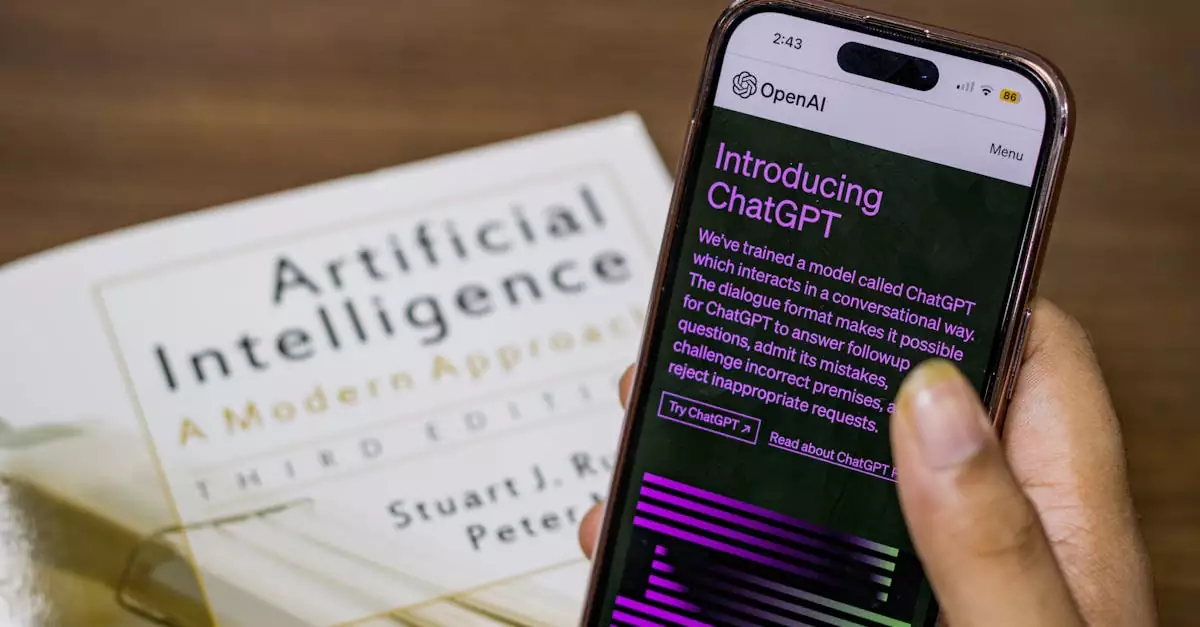
Real-World Applications: How Businesses Are Leveraging AI Bots in Marketing and Ecommerce
Businesses across industries are harnessing ai bots for marketing automation and ecommerce to drive growth and improve customer engagement. Here’s how different sectors are applying these technologies:
- Small Business Owners: Use AI bots to automate appointment scheduling, answer common customer questions, and send promotional messages, reducing manual workload and improving customer interactions.
- Customer Service Managers: Deploy AI chatbots 2026 to manage support tickets, provide 24/7 assistance, and gather customer feedback, enhancing service availability and quality.
- Digital Marketers: Leverage AI bots for lead generation, personalized email campaigns, and chat-based marketing funnels that nurture prospects effectively.
- Ecommerce Entrepreneurs: Implement AI bots for product recommendations, cart abandonment reminders, and post-purchase support, increasing sales and customer retention.
- Tech Startups: Utilize custom ai bots development platforms like Rasa to build tailored conversational agents that fit unique business models and scale with growth.
These use cases demonstrate the versatility of AI bots in automating diverse business functions while maintaining a human touch through contextual understanding and personalized interactions.
Balancing Benefits and Challenges of AI Bots in Business
While the benefits of ai bots are compelling, businesses must also navigate certain challenges to maximize their impact. Here’s a balanced view of the pros and cons:
| Pros | Cons |
|---|---|
| 24/7 Availability improves customer service responsiveness. | Initial setup and customization can require significant time and expertise. |
| Cost-effective solution that reduces need for large support teams. | AI bots vs human agents: bots may struggle with complex, emotional, or nuanced queries. |
| Scalable automation of repetitive tasks enhances operational efficiency. | Integration challenges with legacy systems can hinder seamless deployment. |
| Personalized interactions using NLP increase customer engagement. | Data privacy and security concerns require careful management. |
| Custom AI bots development enables tailored solutions for specific needs. | Ongoing maintenance and training are necessary to keep bots effective. |
Understanding these advantages and limitations helps businesses make informed decisions about adopting AI bots and setting realistic expectations.
Choosing the Right AI Bot for Your Business Needs
Selecting the best ai bots for business depends on several critical factors. Here’s a guide to help you make the right choice:
- Define Your Objectives: Identify whether your priority is customer service, marketing automation, ecommerce support, or a combination.
- Evaluate Integration Capabilities: Ensure the AI bot can seamlessly connect with your existing CRM, helpdesk, or ecommerce platforms.
- Consider Customization Needs: Some businesses require custom ai bots development for unique workflows, while others benefit from out-of-the-box solutions.
- Assess Ease of Use: User-friendly interfaces and clear documentation reduce onboarding time and improve adoption.
- Analyze Cost vs ROI: Balance upfront investment with expected efficiency gains and customer satisfaction improvements.
- Check Vendor Support and Updates: Reliable customer support and regular AI model updates are essential for long-term success.
By carefully weighing these factors, businesses can select AI bots that align with their operational goals and growth strategies.
Common Pitfalls to Avoid When Implementing AI Bots
Based on testing and practical experience, many businesses face similar challenges during AI bot deployment. Avoid these common mistakes to ensure a smooth implementation:
- Neglecting User Experience: Overly robotic or scripted responses can frustrate users. Invest in AI bots with advanced NLP for natural conversations.
- Ignoring Training and Updates: AI bots require continuous learning from interactions to improve accuracy and relevance.
- Underestimating Integration Complexity: Failing to plan for data synchronization and platform compatibility can cause bottlenecks.
- Setting Unrealistic Expectations: AI bots are powerful but not infallible. Human agents should remain available for complex issues.
- Overlooking Privacy Regulations: Ensure compliance with data protection laws when collecting and processing customer information.
Addressing these pitfalls early enhances your AI bot’s effectiveness and boosts user acceptance.
Expert Insight: Why Natural Language Processing is a Game-Changer for AI Bots
From practical experience and analysis of ai bots vs human agents, it’s clear that AI bots equipped with natural language processing and contextual understanding dramatically outperform traditional rule-based bots. These advanced AI bots interpret user intent, handle ambiguous queries, and maintain conversational context, resulting in more human-like interactions.
This evolution enhances customer engagement by reducing frustration and increasing resolution rates. According to a Forbes Tech Council article, businesses leveraging NLP-powered AI bots report significant improvements in customer satisfaction and operational efficiency.
Wrapping Up: The Future of AI Bots in Business Automation
AI bots are no longer just futuristic concepts — they are essential tools driving business success in 2026. By automating repetitive tasks, enhancing customer service, and enabling personalized marketing, AI bots help companies stay competitive and responsive in a digitally demanding world.
As AI technology advances, expect even greater adoption of custom ai bots development, deeper integration with business systems, and smarter, more intuitive conversational agents. Businesses that embrace these innovations will unlock new levels of efficiency and customer loyalty.
For organizations looking to scale operations without sacrificing quality, investing in the right AI bots is a strategic imperative. Start by assessing your needs, exploring top ai bots for customer service and marketing automation, and planning for a phased rollout that balances automation with human oversight.
Frequently Asked Questions About AI Bots
What are the key benefits of using AI bots in business?
AI bots improve efficiency by automating repetitive tasks, provide 24/7 customer support, enhance engagement through personalized interactions, and reduce operational costs. They help businesses scale without increasing headcount.
How do AI bots compare to human agents?
AI bots handle high volumes of routine inquiries quickly and consistently, freeing human agents to focus on complex or sensitive issues. While bots excel at speed and availability, human agents offer empathy and nuanced problem-solving.
Can AI bots be customized for specific business needs?
Yes, many platforms offer custom ai bots development options, allowing businesses to tailor conversational flows, integrate with unique systems, and build bots that align closely with their workflows and branding.
Are AI bots suitable for small businesses?
Absolutely. AI bots can automate scheduling, customer FAQs, and marketing outreach, making them cost-effective solutions that help small businesses improve service and compete with larger companies.
What challenges should businesses consider when adopting AI bots?
Challenges include integration complexity, maintaining data privacy, ensuring natural user experiences, and providing ongoing training and updates to keep bots effective and relevant.
How do AI bots improve marketing automation?
AI bots engage prospects through personalized messaging, qualify leads in real-time, automate responses, and integrate with CRM systems to streamline marketing workflows and boost conversion rates.
What industries benefit most from AI bots?
Customer service-heavy industries like retail, ecommerce, tech startups, healthcare, and finance benefit significantly. However, AI bots are versatile and applicable across almost all sectors seeking automation and enhanced customer engagement.