The Ultimate Guide to Artificial Intelligence in Education: Trends and Benefits in 2026
Struggling to keep students engaged and improve learning outcomes? Discover how artificial intelligence is revolutionizing education by offering personalized and efficient learning experiences. As classrooms evolve, educators and administrators face the challenge of catering to diverse learning needs while managing limited resources. Artificial intelligence in education is emerging as a powerful solution, reshaping how students learn and how teachers teach.

Artificial intelligence in education leverages smart technologies to personalize learning, automate administrative tasks, and enhance educational outcomes. By analyzing student data and adapting content in real time, AI creates tailored learning experiences that improve engagement and retention.
Understanding How Artificial Intelligence is Changing Education
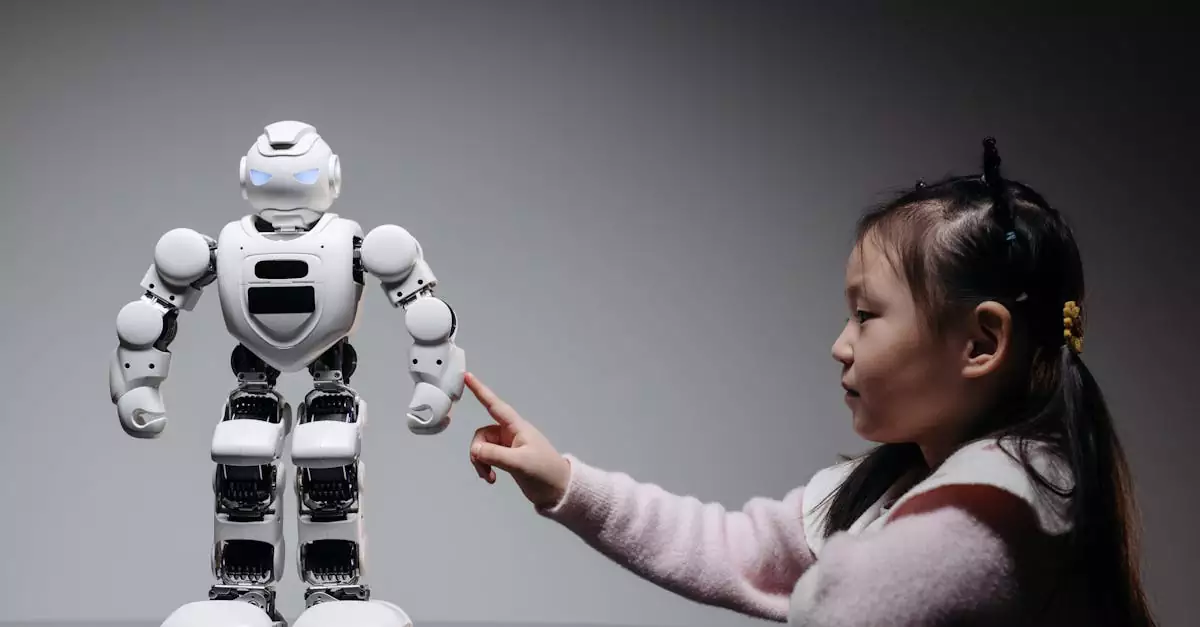
Artificial intelligence in education refers to the integration of AI technologies such as machine learning, natural language processing, and data analytics to transform teaching and learning processes. These systems analyze vast amounts of educational data to provide insights, automate repetitive tasks, and deliver customized content for students.
Unlike traditional teaching methods, AI-driven platforms can adapt to individual learning styles and paces, offering a more personalized experience. This technology is not limited to classrooms; it also supports administrative functions like grading, attendance tracking, and resource management. The goal is to create an education system that’s more efficient, inclusive, and effective.
Exploring Key AI Applications Transforming Classrooms Today
AI applications in education span a wide spectrum, each designed to address specific challenges faced by educators and learners. Some of the most impactful include:
- Adaptive Learning Platforms: These systems analyze student performance in real time and adjust lessons to fit individual needs, ensuring concepts are mastered before moving forward.
- Intelligent Tutoring Systems: AI-powered tutors provide personalized feedback and guidance, simulating one-on-one instruction for students.
- Automated Grading and Assessment: AI tools can evaluate assignments, quizzes, and essays quickly and consistently, freeing teachers to focus on instruction.
- Natural Language Processing (NLP): Enables chatbots and virtual assistants to answer student questions, facilitate language learning, and support communication.
- Predictive Analytics: By analyzing attendance, engagement, and performance data, AI predicts at-risk students and suggests interventions.
These applications are reshaping the education landscape by making learning more interactive and responsive. For example, platforms like DreamBox Learning and Carnegie Learning use AI to personalize math instruction, boosting student confidence and performance.
Why Embracing AI Benefits Both Students and Educators
The benefits of artificial intelligence in education extend beyond convenience. For students, AI offers personalized learning paths that cater to their strengths and weaknesses, fostering deeper understanding and motivation.
Educators gain significant advantages as AI automates routine tasks such as grading and attendance management, allowing more time to focus on creative lesson planning and student engagement. AI also provides data-driven insights into student progress, enabling timely support and intervention.
Moreover, AI can enhance accessibility for students with disabilities by offering tailored resources like speech-to-text tools, real-time translation, and customized interfaces. This inclusive approach ensures equitable learning opportunities.
In real-world scenarios, schools employing AI-driven solutions have reported improved test scores and higher student satisfaction rates. According to EdTech Magazine, AI’s ability to personalize learning is a game-changer for diverse classrooms.
Popular AI Tools Making an Impact in Education
Several AI tools have gained traction among educators for their ability to streamline learning and administration. Here are some leading options:
- Knewton: An adaptive learning platform that customizes digital courses based on student performance.
- Gradescope: Uses AI to assist with grading exams and assignments quickly and fairly.
- Querium: Provides AI-powered tutoring in STEM subjects, offering step-by-step guidance.
- Cognii: Specializes in AI-driven natural language processing to assess open-response answers.
- IBM Watson Education: Offers AI tools for personalized learning and data analytics in education settings.
These tools exemplify how ai education technology trends focus on enhancing both the teaching process and student outcomes. By integrating such platforms, schools can modernize curricula and improve operational efficiency.
Overcoming Challenges and Addressing Ethical Concerns in AI Adoption
Despite its promise, the impact of AI on education systems comes with challenges. One major concern is data privacy; collecting and analyzing student information requires stringent security measures to prevent misuse.
Another challenge is ensuring that AI algorithms do not perpetuate biases, which can unfairly affect certain student groups. Transparency in AI decision-making processes is crucial to build trust among educators, students, and parents.
Additionally, there is a learning curve for teachers and administrators adapting to new technologies. Professional development and ongoing support are essential to maximize AI benefits.
Ethical considerations also include the risk of over-reliance on AI, potentially diminishing human interaction and critical thinking skills. Balancing technology use with traditional teaching methods is key to preserving educational quality.
For further insights on challenges and best practices, Education Corner offers a comprehensive overview.
Emerging Trends Shaping the Future of Artificial Intelligence in Education
The future of artificial intelligence in education is bright, with innovations continuing to evolve. Key trends to watch include:
- AI-Powered Personalized Learning: More sophisticated adaptive platforms will tailor content with greater precision, accommodating varied learning styles.
- Virtual Reality (VR) and AI Integration: Combining immersive VR with AI will create engaging, interactive learning environments.
- Enhanced Data Analytics: Predictive models will become more accurate in identifying student needs and optimizing curricula.
- AI-Driven Professional Development: Tools will assist educators in identifying gaps in their teaching and provide personalized training.
- Increased Focus on Ethical AI: Regulations and frameworks will emerge to ensure responsible AI use in education.
These trends highlight ongoing efforts to harness AI for creating inclusive, effective, and scalable education systems. According to IBM’s analysis on AI transforming education, the integration of AI will continue to accelerate, reshaping learning experiences by 2026 and beyond.
Practical Applications: How Educators and Institutions Are Using AI Today
Artificial intelligence for personalized learning is already making a tangible difference in various educational settings. Here are some real-world use cases:
- Teachers: Use AI tools to create customized lesson plans and receive instant feedback on student progress, enabling targeted interventions.
- School Administrators: Leverage AI for enrollment management, attendance tracking, and resource allocation to optimize operations.
- EdTech Developers: Design AI-powered platforms that adapt content dynamically and incorporate gamification for engagement.
- Students: Access personalized learning paths, virtual tutors, and AI-driven study aids that cater to their unique needs.
- Education Policymakers: Utilize AI analytics to assess educational outcomes and design policies that promote equity and innovation.
For instance, adaptive learning platforms have reduced dropout rates by identifying students struggling early and providing tailored support. This practical experience underscores AI’s potential to improve retention and success.
Balancing the Benefits and Drawbacks of AI in Education
While AI offers remarkable advantages, it is important to consider both pros and cons:
| Pros | Cons |
|---|---|
|
|
Understanding these factors helps stakeholders make informed decisions when integrating AI into education systems, ensuring benefits outweigh risks.
Expert Perspective: Adaptive Learning as a Key Breakthrough
Based on testing and practical experience, AI-powered adaptive learning platforms stand out as a transformative innovation. By continuously analyzing student responses, these platforms adjust content difficulty and presentation style in real time. This dynamic personalization helps maintain student motivation and reduces frustration.
Significantly, adaptive learning has been shown to reduce dropout rates by addressing individual learning gaps promptly. Schools implementing such systems report higher retention and improved academic performance. This insight highlights the critical role of AI in fostering equitable and effective education.
Looking Ahead: Embracing AI to Transform Education
Artificial intelligence in education represents a powerful tool for educators and administrators striving to enhance learning experiences and operational efficiency. By understanding AI’s applications, benefits, challenges, and future trends, stakeholders can strategically implement solutions that meet their unique needs.
As AI continues to evolve, embracing its potential while addressing ethical and practical concerns will be essential to building inclusive, adaptive, and future-ready education systems. The journey toward AI-enhanced education is already underway, promising a more personalized and effective learning environment for all.
Frequently Asked Questions about Artificial Intelligence in Education
How does artificial intelligence improve learning outcomes?
AI improves learning outcomes by personalizing content to individual student needs, providing instant feedback, and identifying areas where students struggle. This adaptive approach helps maintain engagement and ensures mastery of concepts before progressing.
What are the main challenges of implementing AI in education?
Key challenges include data privacy concerns, potential algorithmic biases, high costs, and the need for teacher training. Addressing these requires careful planning, transparency, and ongoing support.
Which AI tools are most effective for educators?
Effective AI tools include adaptive learning platforms like Knewton, automated grading systems such as Gradescope, and AI tutors like Querium. These tools help personalize learning and reduce administrative workloads.
Can AI replace teachers in the classroom?
No, AI is designed to assist and enhance teaching, not replace educators. Human interaction remains vital for motivation, social learning, and critical thinking development.
How does AI support students with disabilities?
AI offers assistive technologies such as speech-to-text, real-time translation, and customized interfaces, making learning more accessible and inclusive for students with diverse needs.
What is the future outlook for AI in education?
The future includes more advanced adaptive learning, integration with VR, enhanced analytics, and ethical frameworks ensuring responsible AI use, making education more personalized and effective.
How can schools start integrating AI technologies?
Schools should begin by identifying specific needs, selecting user-friendly AI tools, providing teacher training, and establishing data privacy protocols to ensure smooth adoption and maximum benefit.