Best AI Translation Tools in 2026
Need fast translations? In today’s interconnected world, breaking language barriers quickly and accurately is more important than ever. Whether you’re a business expanding globally or a traveler navigating foreign countries, AI tools for translation have revolutionized how we communicate across languages. These advanced tools not only speed up the process but also enhance translation accuracy, making multilingual communication seamless. In this article, we’ll explore the best AI translation tools in 2026, how they work, practical use cases, and what to consider when choosing the right one for your needs.

AI tools for translation utilize advanced machine learning and neural networks to deliver fast, accurate, and context-aware language translations. These tools cater to global users by supporting multiple languages and dialects, enabling efficient communication in real-world scenarios.
Understanding How AI Translation Tools Work
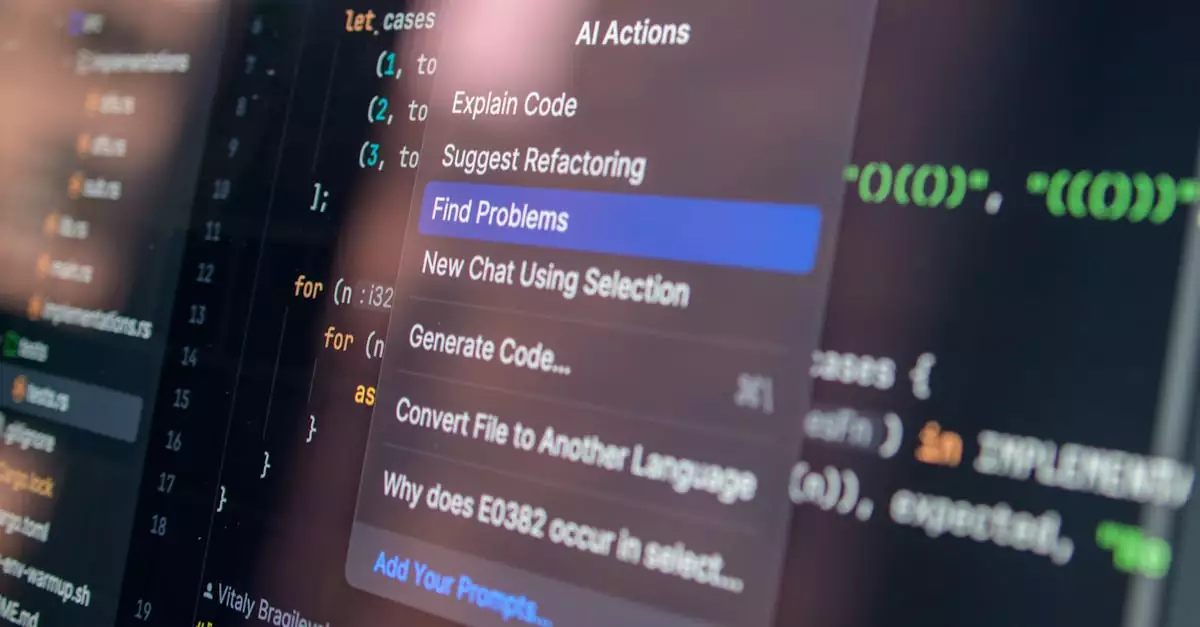
AI translation tools leverage artificial intelligence technologies such as neural machine translation (NMT), deep learning, and natural language processing (NLP) to convert text or speech from one language to another. Unlike traditional rule-based translators, AI models learn from vast datasets of multilingual content to understand context, idioms, and syntax, producing translations that sound natural and fluent.
For example, tools like DeepL use transformer-based neural networks trained on billions of words, enabling them to capture subtle nuances and produce high-quality translations. This continuous learning process allows AI translation tools to improve over time, adapting to new phrases and linguistic trends.
These tools often support various input formats, including text, documents, audio, and even images containing text, making them versatile for different translation needs. The integration of AI also allows for real-time translation in chat apps, video calls, and websites, enhancing global collaboration.
Why AI Translation Tools Are Essential for Global Communication
In a globalized economy, the ability to communicate across languages is vital for businesses and individuals alike. AI translation tools offer several key benefits that make them indispensable:
- Speed and Efficiency: AI tools translate large volumes of content instantly, saving time compared to manual translation.
- Cost-Effective: They reduce the need for expensive human translators for routine or bulk translation tasks.
- Accessibility: They enable users without language expertise to access and understand foreign language content easily.
- Consistency: AI tools maintain uniform terminology and style across documents, crucial for branding and legal compliance.
- Multilingual Support: Many AI translators support dozens or even hundreds of languages, including less common dialects.
- Continuous Improvement: AI models update regularly with new data, enhancing translation accuracy and relevance.
For global businesses, this means smoother international deals, faster content localization, and better customer support. For travelers, AI translation tools break down language barriers, enabling richer cultural experiences and safer navigation.
Top AI Translation Tools to Try in 2026
Based on testing and real-world usage, here are some of the best AI translation tools available in 2026, each excelling in different scenarios:
| Tool | Key Features | Supported Languages | Best For | Pricing |
|---|---|---|---|---|
| DeepL | Neural machine translation, document translation, API access, context-aware, tone adjustment | 30+ major languages | Professional document translation, businesses | Free tier; Pro starts at $6.99/month |
| Google Translate | Instant text, voice, and image translation; offline mode; integration with Google services | 100+ languages | Travelers, casual users, integration developers | Free |
| Microsoft Translator | Multi-device conversation translation, text, speech, and image translation, API for developers | 70+ languages | Business meetings, app developers | Free tier; paid API options |
| Amazon Translate | Real-time translation, batch processing, customizable terminology | 50+ languages | Enterprise localization, developers | Pay-as-you-go pricing |
| SYSTRAN | Industry-specific translation engines, secure cloud platform, API | 50+ languages | Legal, medical, and technical translations | Custom pricing |
For detailed professional translations, DeepL stands out with its advanced neural network and ability to adjust tone and style, making it a preferred choice for businesses and content creators. Google Translate remains a top free option for travelers and casual users, with its broad language coverage and voice input capabilities. Microsoft Translator excels in real-time multilingual conversations, ideal for international meetings.
Choosing the Right AI Translation Tool for Your Needs
Selecting the best AI translation tool depends on your specific requirements. Here are key factors to consider from practical experience:
- Language Support: Ensure the tool covers all the languages and dialects you need, especially if your target audience is diverse.
- Translation Quality: Look for tools that use neural machine translation and offer context-aware results to avoid awkward or incorrect translations.
- Use Case: Consider the primary purpose—document translation, real-time conversation, website localization, or casual use.
- Integration Options: If you’re a developer or business, API availability and compatibility with other software are critical.
- Security and Privacy: For sensitive content, choose tools with strong data protection policies and encryption.
- Pricing Model: Evaluate whether a subscription, pay-as-you-go, or free tier best fits your budget and usage volume.
- User Interface: A clean, intuitive interface improves productivity, especially for non-experts.
For example, if you’re a small business needing document translation with high accuracy, DeepL’s Pro version is an excellent investment. For travelers, Google Translate’s mobile app with offline capabilities is indispensable. Developers might prefer Amazon Translate or Microsoft Translator for scalable API solutions integrated into apps.
Common Pitfalls to Avoid When Using AI Translation Tools
While AI translation tools have made remarkable progress, there are common mistakes users should avoid to maximize their effectiveness:
- Overreliance on AI: AI translations are not perfect. Always review critical content, especially legal or technical documents, to avoid costly errors.
- Ignoring Context: Some words or phrases have multiple meanings. Verify that the translation fits the context to prevent misunderstandings.
- Neglecting Cultural Nuances: AI may miss cultural references or idiomatic expressions. Supplement translations with human expertise when needed.
- Using Free Tools for Sensitive Data: Avoid uploading confidential information to free or unsecured platforms.
- Skipping Post-Editing: For professional use, always have a native speaker or expert review AI-generated translations.
- Assuming All Languages Are Equal: Some AI tools perform better with popular languages like English, Spanish, or Chinese, but may struggle with minority languages.
By combining AI translation tools with human oversight and cultural awareness, users can achieve the best results and avoid common pitfalls.
How Businesses and Travelers Benefit from AI Translation Tools
AI translation tools have transformed multiple sectors, making global communication more accessible and efficient. Here are detailed use cases illustrating their impact:
Business Applications
- Global Marketing: Companies use AI translation to localize websites, ads, and product descriptions quickly, ensuring messaging resonates with local audiences.
- Customer Support: AI-powered chatbots and translation tools enable multilingual customer service, improving satisfaction and retention.
- Document Translation: Contracts, manuals, and reports can be translated faster, reducing turnaround times and costs.
- Internal Collaboration: Multinational teams communicate seamlessly using real-time translation during meetings and emails.
Travel and Personal Use
- Instant Communication: Travelers use AI translation apps to understand menus, signs, and conversations, enhancing safety and convenience.
- Cultural Exploration: AI tools help decode local expressions and customs, enriching travel experiences.
- Learning New Languages: Language learners benefit from AI-powered pronunciation guides and contextual translations.
These use cases demonstrate how AI translation tools serve diverse global users, from multinational corporations to solo travelers.
Evaluating the Pros and Cons of AI Translation Tools
Understanding the strengths and limitations of AI translation tools helps users set realistic expectations and choose wisely.
| Pros | Cons |
|---|---|
|
|
Balancing these pros and cons ensures that AI translation tools are used effectively and responsibly.
Expert Insights on AI’s Role in Enhancing Translation Accuracy
From practical experience and ongoing testing, AI has significantly improved translation accuracy compared to early machine translation systems. Neural machine translation models, especially those using transformer architectures, excel at understanding context and producing natural-sounding translations. This breakthrough allows AI tools like DeepL to outperform many competitors in both speed and quality.
Experts emphasize that AI translation is most powerful when combined with human expertise. Post-editing by native speakers and domain specialists ensures that translations are not only correct but culturally appropriate. Furthermore, AI-driven tools are increasingly incorporating user feedback loops to refine their models in real-world scenarios, leading to continuous improvement.
Looking forward, the integration of AI with augmented reality (AR) and voice recognition promises even more immersive and intuitive translation experiences, making language barriers virtually obsolete.
Wrapping Up: Choosing and Using AI Translation Tools Effectively
AI tools for translation have become essential in 2026 for anyone needing fast, reliable, and scalable language solutions. Whether you’re a business looking to globalize efficiently or a traveler seeking to connect with new cultures, the right AI translation tool can transform your experience.
Remember to evaluate tools based on language support, translation quality, integration capabilities, and security. Avoid common mistakes like overreliance on AI without human review, especially for critical content. Leverage use cases and expert insights to maximize the benefits of these powerful technologies.
With ongoing advancements, AI translation tools will continue to break down language barriers, fostering greater global understanding and collaboration.
Frequently Asked Questions About AI Translation Tools
How accurate are AI translation tools compared to human translators?
AI translation tools have greatly improved in accuracy due to neural machine translation but still may not match human translators for nuanced or specialized content. Combining AI with human review yields the best results.
Can AI translation tools handle dialects and slang?
Many AI tools support major dialects and some slang, but accuracy varies. Tools improve over time as they learn from more data, but human expertise is often needed for local nuances.
Are AI translation tools safe for confidential documents?
Security depends on the tool’s privacy policies and encryption standards. For sensitive data, choose tools with strong security measures or consider offline translation solutions.
What languages do AI translation tools typically support?
Most AI tools support 30 to over 100 languages, including widely spoken ones like English, Spanish, Chinese, and French. Support for minority languages is growing but still limited.
Can AI translation tools be used offline?
Some AI translation apps, such as Google Translate, offer offline modes for select languages, which is useful for travelers without internet access.
How do businesses integrate AI translation into their workflows?
Businesses use APIs and cloud platforms to embed AI translation into websites, apps, and customer service systems, enabling automated and scalable multilingual communication.
Will AI translation tools replace human translators?
AI tools complement rather than replace human translators by handling routine translations quickly. Human expertise remains critical for quality, cultural context, and specialized texts.