Best AI Tools for Essay Writing in 2026
Struggling with essays? For many students, crafting well-structured, insightful essays can be a daunting and time-consuming task. Fortunately, the rise of AI tools for writing essays has transformed the academic landscape, making essay writing faster, more efficient, and often more polished. Whether you’re battling writer’s block, struggling to organize your thoughts, or simply pressed for time, AI essay writing tools offer practical solutions tailored to student needs.
AI tools for writing essays are designed to help students generate content, improve grammar, and structure their work effectively, enabling a smoother writing process from start to finish. In this article, we’ll explore the best AI tools for essay writing in 2026, share actionable tips for maximizing their potential, and highlight real-world use cases to help you decide which tool fits your academic style.
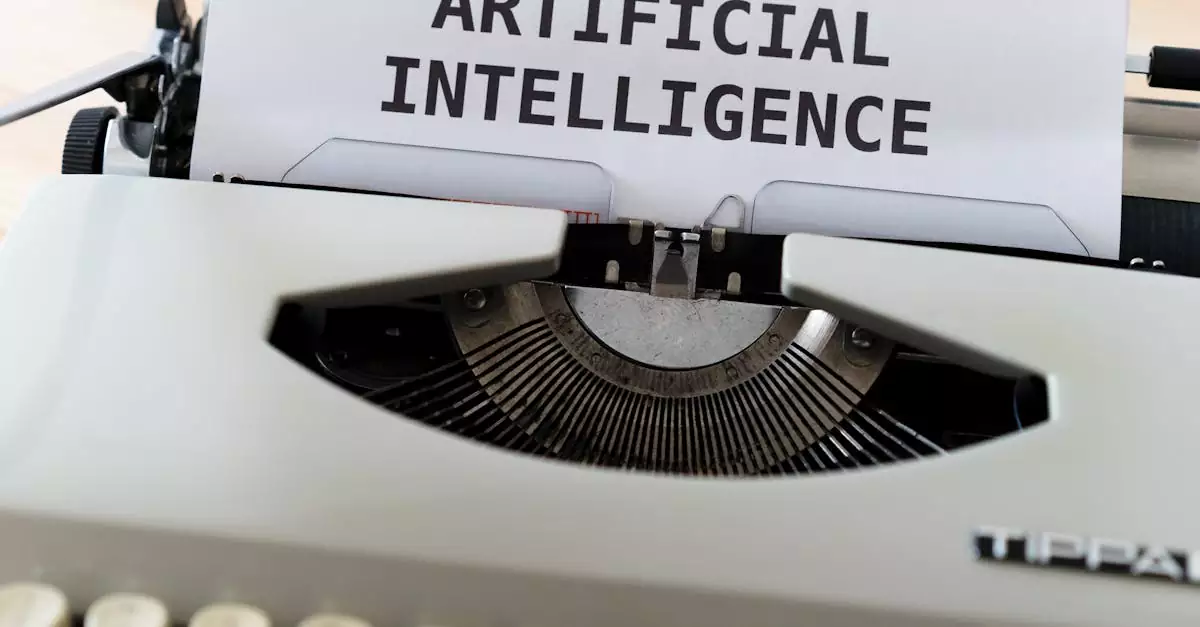
AI tools for writing essays leverage advanced algorithms to assist students in generating coherent, well-structured essays quickly, improving grammar and style while reducing the stress of academic writing.
Top AI Essay Writing Tools Transforming Student Workflows
When it comes to choosing the best AI tools for writing essays, there are several standout options that combine ease of use with powerful features. These tools not only help with drafting but also enhance editing, structuring, and refining essays. Here’s a detailed look at some of the leading AI essay writing tools available in 2026:
- Grammarly: Widely recognized for its advanced grammar and style checking, Grammarly also offers AI-powered suggestions for clarity, tone, and conciseness. Its integration with browsers, word processors, and mobile devices makes it a versatile companion for essay writing. Students can use Grammarly to polish their drafts and ensure their writing is error-free. Learn more at Grammarly.
- Jasper AI: Jasper AI excels at generating content based on prompts, making it ideal for brainstorming essay ideas or drafting sections quickly. It supports multiple writing styles and tones, allowing students to tailor their essays according to academic requirements.
- QuillBot: Known for its paraphrasing and summarizing capabilities, QuillBot helps students rephrase content to avoid plagiarism and improve readability. It also offers grammar checks and citation assistance.
- Writesonic: This AI platform offers essay generation tools that can create outlines, introductions, and body paragraphs with minimal input. Its natural language processing capabilities ensure that the output is coherent and relevant to the topic.
- ProWritingAid: Beyond grammar checks, ProWritingAid provides detailed reports on writing style, pacing, and structure. It’s particularly useful for students aiming to enhance the flow and readability of their essays.
- EssayBot: Specifically designed for students, EssayBot helps generate content ideas, suggest citations, and create drafts. It’s an all-in-one tool that supports the entire essay writing process.
Why AI Essay Writing Tools Are Essential for Students Today
In real-world scenarios, students face tight deadlines, complex topics, and high expectations for quality writing. AI essay writing tools address these challenges by offering several key benefits:
- Time Efficiency: AI tools accelerate the writing process by generating drafts, suggesting improvements, and automating repetitive tasks, freeing students to focus on critical thinking and research.
- Improved Writing Quality: By catching grammar mistakes, suggesting better word choices, and enhancing sentence structure, these tools help students produce essays that are clear, concise, and academically sound.
- Overcoming Writer’s Block: AI-generated prompts and outlines provide a starting point for students who struggle to begin or organize their essays.
- Learning and Skill Development: Many AI tools provide explanations for corrections and suggestions, helping students understand their mistakes and improve their writing skills over time.
- Accessibility: Students with learning disabilities or language barriers can benefit from AI assistance, leveling the playing field in academic writing.
How to Effectively Use AI Tools for Writing Essays
Based on testing and practical experience, maximizing the benefits of AI essay writing tools requires strategic use. Here are actionable steps students can follow:
- Start with Research: Use AI tools to gather ideas and create a structured outline before writing. Tools like Jasper AI or EssayBot can help generate topic ideas and organize points logically.
- Draft in Sections: Instead of writing the entire essay at once, use AI to draft individual paragraphs or sections. This approach allows better control over content quality and flow.
- Leverage Grammar and Style Checks: After drafting, run your essay through tools like Grammarly or ProWritingAid to catch errors and improve readability.
- Paraphrase and Avoid Plagiarism: Use QuillBot or similar tools to rephrase content and ensure originality, especially when incorporating research.
- Review and Personalize: AI-generated content should be reviewed critically. Add your voice, insights, and ensure arguments are well-supported to maintain academic integrity.
- Use Citation Features: Some AI tools assist with generating citations in various formats (APA, MLA, Chicago). Utilize these to save time on referencing.
Common Pitfalls to Avoid When Using AI Essay Tools
While AI essay writing tools offer immense help, students must be cautious to avoid common mistakes that can undermine their work:
- Over-reliance on AI: Relying entirely on AI to write essays can lead to generic content lacking critical analysis and personal insight.
- Ignoring Plagiarism Risks: Some AI-generated content may inadvertently mirror existing sources. Always use plagiarism checkers and paraphrase carefully.
- Neglecting Proofreading: AI tools can miss nuanced errors or contextual issues. Manual proofreading is essential to catch subtle mistakes.
- Using AI for Final Submission Without Edits: Essays should be personalized and refined beyond AI drafts to meet specific assignment criteria.
- Misunderstanding Tool Limitations: AI tools do not replace critical thinking or research. Use them as assistants, not substitutes.
Real-World Use Cases of AI Tools for Student Essay Writing
Students across disciplines have integrated AI essay writing tools into their workflows with impressive results. Here are some practical examples:
- Undergraduate Research Papers: Using Jasper AI to generate initial outlines and draft sections helps students focus on data analysis and argument development.
- Language Learners: Grammarly and QuillBot assist non-native English speakers in improving grammar accuracy and phrasing sophistication, enhancing essay quality.
- Time-Pressed Assignments: When balancing multiple courses, students use Writesonic to draft essays quickly, then refine them manually to meet deadlines.
- Creative Writing Classes: AI tools offer prompts and style suggestions, helping students experiment with different tones and narrative structures.
- Thesis Drafting: ProWritingAid’s detailed reports support graduate students in improving the coherence and flow of long-form academic writing.
Balancing the Pros and Cons of AI Essay Writing Tools
Understanding both the advantages and limitations of AI essay writing tools is crucial for students aiming to use them effectively.
| Pros | Cons |
|---|---|
| Speeds up essay writing and brainstorming | May produce generic or off-topic content if not guided well |
| Enhances grammar, style, and readability | Over-dependence can reduce critical thinking and personal voice |
| Helps overcome writer’s block with prompts and outlines | Potential plagiarism risks if content is used without modification |
| Supports language learners and students with disabilities | Some tools require subscriptions, which may be costly for students |
| Offers citation and formatting assistance | AI may miss contextual or subject-specific nuances |
Expert Insight: How AI Tools Enhance Essay Structure and Coherence
Based on testing and feedback from academic professionals, one of the most impactful benefits of AI tools for writing essays lies in their ability to assist with structuring content. Many students struggle to organize their thoughts logically, leading to essays that feel disjointed or unfocused. AI tools like Jasper AI and EssayBot analyze the input topic and generate coherent outlines that guide the writing process.
This structural assistance ensures that essays have clear introductions, well-developed body paragraphs, and compelling conclusions. Additionally, tools such as ProWritingAid provide detailed reports on sentence flow and transitions, helping students refine their essays for better readability and argument strength. From practical experience, combining AI’s structural guidance with personal insights significantly improves both the quality and clarity of academic essays.
Wrapping Up: Why AI Tools Are a Must-Have for Essay Writing in 2026
AI tools for writing essays have become invaluable allies for students navigating the demands of academic writing. They not only accelerate the writing process but also enhance the quality and coherence of essays through intelligent suggestions and structural guidance. By choosing the right AI essay writing tools and using them strategically, students can overcome common challenges such as writer’s block, grammar errors, and time constraints.
Remember, AI should complement your critical thinking, not replace it. Always review and personalize AI-generated content to maintain academic integrity and ensure your unique voice shines through. With the right approach, AI essay writing tools can transform your writing workflow, helping you produce better essays faster and with greater confidence.
Frequently Asked Questions About AI Tools for Writing Essays
-
Can AI tools write my entire essay for me?
While AI tools can generate drafts and ideas, it’s important to review and personalize the content. Relying solely on AI may result in generic essays and potential plagiarism issues.
-
Are AI essay writing tools safe to use for academic work?
Yes, when used responsibly. Always check for plagiarism and ensure that AI-generated content aligns with your institution’s academic integrity policies.
-
Which AI tool is best for improving grammar and style?
Grammarly is widely regarded as one of the top tools for grammar and style improvements, offering real-time suggestions and explanations.
-
Can AI tools help with essay structure?
Yes, many AI tools provide outlines and structural suggestions that help students organize essays logically and coherently.
-
Do AI essay tools work for all academic subjects?
Most AI tools are versatile, but some perform better in humanities and social sciences where essay writing is prevalent. Technical subjects may require additional domain-specific research.
-
Are there free AI essay writing tools available?
Yes, some tools offer free versions with limited features, but premium subscriptions typically provide more advanced capabilities and better results.
-
How can I avoid plagiarism when using AI-generated content?
Always paraphrase AI suggestions, cite sources properly, and use plagiarism checkers to ensure originality.