Ultimate Guide to AI in Agriculture: Transforming Farming in 2026
Farming is facing unprecedented challenges from climate change and population growth. As the demand for food production intensifies, traditional farming methods alone are no longer sufficient. Fortunately, AI in agriculture is emerging as a game-changing solution, offering smart technologies that enhance productivity, optimize resource use, and promote sustainable practices. For farmers and agribusinesses aiming to stay competitive and responsible, understanding how artificial intelligence in farming can transform operations is essential in 2026 and beyond.
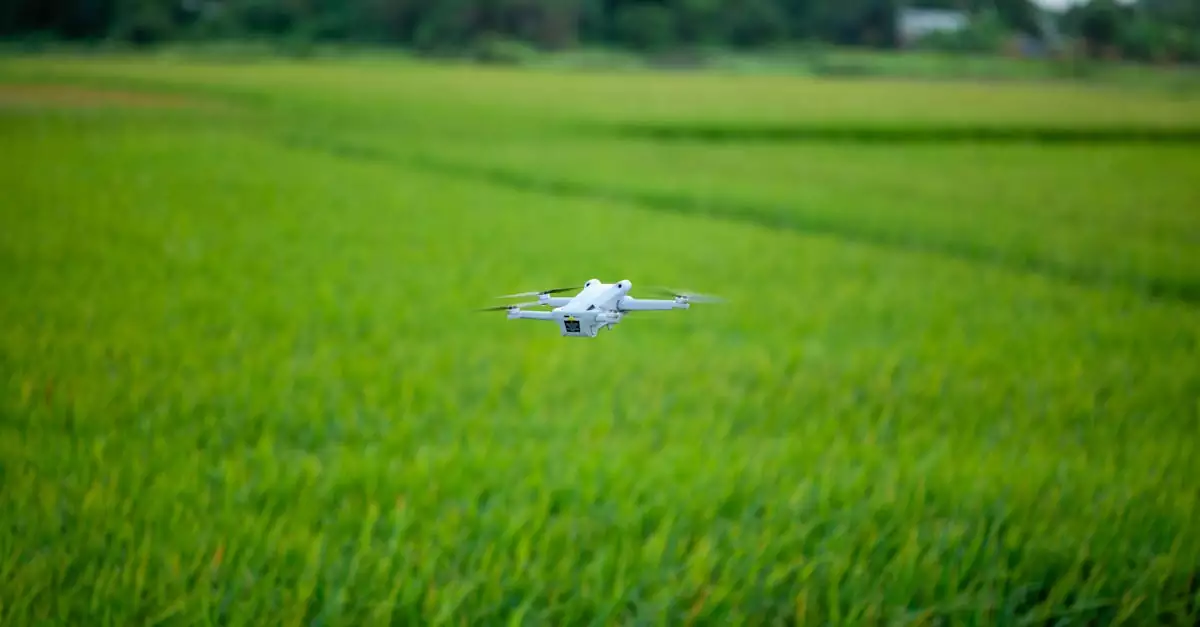
AI in agriculture refers to the integration of advanced artificial intelligence techniques like machine learning and data analytics into farming processes. These technologies enable precision agriculture with AI-driven insights and automation, helping farmers optimize crop yields, monitor plant health, and reduce environmental impact.
Exploring the Role of AI Technologies in Modern Farming
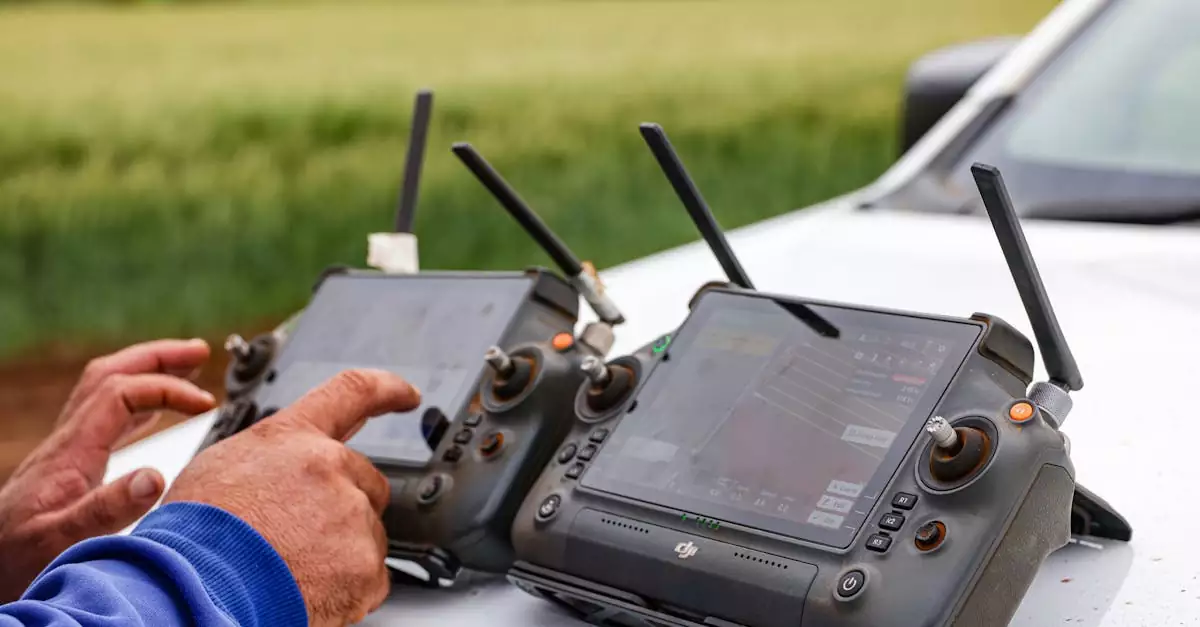
Artificial intelligence in farming encompasses a range of technologies designed to collect, process, and analyze vast amounts of agricultural data. Key components include machine learning algorithms that predict crop growth patterns, AI crop monitoring tools using drones or satellite imagery, and smart farming technology that automates routine tasks. These technologies work in synergy to enhance decision-making and operational efficiency on farms of all sizes.
For instance, AI-driven farm management systems aggregate data from soil sensors, weather stations, and historical crop performance to provide actionable recommendations. This integration of technology and agriculture is often referred to as precision agriculture with AI, where inputs like water, fertilizers, and pesticides are applied precisely where and when needed to maximize effectiveness and minimize waste.
Why AI is Becoming Essential for Farmers and Agribusinesses
The benefits of integrating AI in agriculture are multifaceted, addressing critical challenges faced by the farming sector. Firstly, AI enhances productivity by enabling data-driven decisions that optimize planting schedules, irrigation, and harvesting. This leads to higher yields and better quality crops.
Secondly, AI contributes to sustainability by reducing the overuse of chemical inputs. Through AI crop monitoring tools, farmers can detect early signs of diseases or pest infestations and apply targeted treatments, reducing environmental harm and lowering costs.
Additionally, agriculture automation using AI helps alleviate labor shortages and reduce human error by automating repetitive or hazardous tasks such as planting, weeding, and harvesting. This improves safety and allows farmers to focus on strategic activities.
Finally, AI for sustainable farming supports climate resilience by analyzing weather forecasts and soil conditions to recommend adaptive practices. This is crucial as climate variability increasingly threatens global food security.
How AI is Revolutionizing Farming: Key Applications in Agriculture
AI applications in agriculture span a broad spectrum of activities, transforming traditional farming into a sophisticated, technology-driven industry. Here are some of the main areas where AI is making a tangible impact:
- Crop Monitoring and Disease Detection: AI-powered drones and satellite imagery analyze crop health by detecting stress indicators invisible to the naked eye. Machine learning models can predict disease outbreaks before symptoms appear, enabling timely intervention.
- Soil and Irrigation Management: Sensors combined with AI analyze soil moisture and nutrient levels, optimizing irrigation schedules and fertilizer application to conserve water and improve soil health.
- Yield Prediction and Harvest Automation: AI models forecast crop yields based on historical and real-time data, helping farmers plan logistics and market strategies. Robotics automate harvesting, reducing labor dependency.
- Weed and Pest Control: Smart farming technology uses AI to distinguish between crops and weeds, enabling precision spraying only where necessary, which cuts down pesticide use.
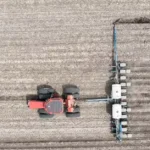
- Farm Equipment Optimization: Autonomous tractors and machinery equipped with AI improve operational efficiency by navigating fields precisely and performing tasks with minimal human input.
These applications collectively improve the accuracy and efficiency of farming operations, driving the sector toward a more sustainable and profitable future. For more detailed insights, resources like the IBM blog on AI in precision agriculture offer comprehensive overviews.
Choosing the Right AI Solutions for Your Farm’s Needs
Selecting appropriate AI technologies depends on various factors including farm size, crop type, budget, and specific challenges faced. Here are practical tips to help agribusinesses and farmers make informed choices:
- Assess Your Goals: Identify whether your priority is increasing yield, reducing costs, improving sustainability, or automating labor-intensive tasks. This focus will guide your technology selection.
- Evaluate Data Availability: AI relies heavily on quality data. Ensure you have or can obtain reliable data sources such as soil sensors, weather data, and historical crop records.
- Consider Integration and Scalability: Choose AI platforms that can integrate with your existing farm management systems and scale as your operations grow.
- Vendor Support and Training: Opt for providers offering strong customer support and training to help your team adapt to new technologies effectively.
- Budget and ROI: While initial costs for AI tools can be high, consider the long-term savings and productivity gains. Pilot projects can help evaluate ROI before full adoption.
For additional guidance on precision agriculture technologies, the USDA’s precision agriculture resources provide valuable information tailored to different farming contexts.
Common Pitfalls to Avoid When Implementing AI in Agriculture
Despite the promising advantages, many farmers and agribusinesses encounter challenges when adopting AI in agriculture. Avoiding these common mistakes can help maximize benefits:
- Neglecting Data Quality: Poor or incomplete data can lead to inaccurate AI predictions, undermining trust in the technology.
- Overlooking User Training: Without proper training, farm staff may struggle to use AI tools effectively, limiting their potential impact.
- Ignoring Local Context: AI models trained on generic data may not account for local soil, climate, or crop variations. Customization is key.
- Underestimating Costs: Budgeting only for software neglects hardware, maintenance, and ongoing support expenses.
- Rushing Implementation: Gradual adoption through pilot programs allows for testing, feedback, and adjustment before full-scale deployment.
By addressing these pitfalls head-on, farmers can ensure smoother integration of AI-driven farm management systems and realize their full potential.
How AI is Shaping the Future Landscape of Sustainable Farming
The future of agriculture is increasingly intertwined with AI advancements, promising smarter, more sustainable farming practices. Emerging trends include:
- Enhanced Predictive Analytics: Combining climate models with AI-driven crop simulations will allow farmers to anticipate weather impacts and optimize planting cycles.
- Robotics and Autonomous Systems: Next-generation farm robots will perform complex tasks such as selective harvesting and crop thinning with greater precision.
- AI for Climate-Resilient Agriculture: AI will help develop adaptive strategies to mitigate climate change effects, supporting resilient food systems.
- Blockchain and AI Integration: These technologies will improve traceability and transparency in supply chains, enhancing food safety and consumer trust.
- Wider Adoption of AI in Developing Regions: Affordable AI solutions tailored to smallholder farmers will democratize access to smart farming benefits globally.
As these trends evolve, AI-driven agriculture will not only boost productivity but also play a crucial role in achieving global sustainability goals.
Detailed Use Cases of AI in Diverse Agricultural Settings
Understanding real-world applications helps illustrate the tangible impact of AI in agriculture. Here are some detailed use cases:
- Farmers: Small to large-scale growers use AI crop monitoring tools to detect nutrient deficiencies and pest threats early, enabling targeted interventions that reduce input costs and increase harvest quality.
- Agribusiness Managers: Managers leverage AI-driven farm management platforms to analyze operational data, optimize supply chains, and forecast market demand, improving profitability and decision-making efficiency.
- Agricultural Researchers: Researchers apply machine learning in agriculture to develop new crop varieties resistant to diseases and climate stress by analyzing genetic data and environmental factors.
- Agri-Tech Startups: Startups innovate by creating AI-powered drones and autonomous equipment that automate planting and monitoring, opening new avenues for precision agriculture with AI.
These examples show that AI’s impact spans the entire agricultural ecosystem, from hands-on farming to strategic business management and technological innovation.
Weighing the Advantages and Drawbacks of AI in Farming
Adopting AI technologies in agriculture presents a mix of opportunities and challenges. Here’s a balanced overview:
| Pros | Cons |
|---|---|
| Improved crop yields through precise input management | High initial investment costs for hardware and software |
| Reduced environmental footprint by minimizing chemical usage | Dependence on reliable data and connectivity, which can be limited in rural areas |
| Automation reduces labor shortages and improves safety | Learning curve for farmers unfamiliar with advanced technologies |
| Enhanced forecasting and disease prediction capabilities | Potential data privacy and security concerns |
| Supports sustainable farming practices and climate resilience | Technology may not be equally accessible to smallholder farmers |
Balancing these factors is crucial for stakeholders to make informed decisions about AI adoption tailored to their unique contexts.
Expert Insights: AI-Driven Data Analytics as a Game Changer in Crop Disease Management
Based on testing and practical experience in real-world scenarios, one of the most transformative aspects of AI in agriculture is its ability to predict crop diseases before visible symptoms emerge. AI-driven data analytics combine multispectral imaging from drones and satellites with machine learning models that analyze subtle changes in plant physiology. This early detection enables farmers to apply targeted treatments, significantly reducing pesticide use and preventing widespread crop loss.
This approach not only enhances crop health and yield but also promotes environmental sustainability by minimizing chemical inputs. Leading agricultural researchers emphasize that integrating these AI tools into routine farm management can revolutionize how diseases are managed on a global scale.
Wrapping Up: Embracing AI to Cultivate the Farms of Tomorrow
AI in agriculture is no longer a futuristic concept but a present-day reality reshaping how farming is done. From precision agriculture with AI to automation and smart farming technology, these innovations empower farmers and agribusinesses to meet the mounting challenges of food production sustainably and efficiently.
By understanding the key technologies, benefits, and potential pitfalls, stakeholders can make strategic decisions that harness AI’s full potential. Whether you are a farmer looking to optimize yields, a manager aiming for operational excellence, or an innovator developing new agri-tech solutions, embracing AI is essential to future-proof your agricultural endeavors.
For those ready to take the next step, exploring resources like the FAO report on digital agriculture can provide further guidance and insights. The farms of tomorrow will be smarter, more efficient, and more resilient — thanks to AI.
Frequently Asked Questions About AI in Agriculture
How does AI improve crop monitoring compared to traditional methods?
AI enhances crop monitoring by using drones, satellites, and sensors to collect detailed data on plant health. Machine learning algorithms analyze this data in real-time, detecting issues like nutrient deficiencies and diseases earlier than visual inspections, enabling prompt and precise interventions.
What are the main challenges farmers face when adopting AI technologies?
Key challenges include high initial costs, lack of technical expertise, data quality issues, and limited internet connectivity in rural areas. Overcoming these requires proper training, phased implementation, and choosing solutions suited to local conditions.
Can small-scale farmers benefit from AI in agriculture?
Yes, though accessibility can be a barrier. Emerging affordable AI tools and mobile applications are increasingly designed for smallholders, helping them optimize inputs, monitor crops, and improve yields sustainably.
How does AI contribute to sustainable farming practices?
AI promotes sustainability by optimizing resource use, reducing chemical inputs through precise application, predicting environmental stresses, and supporting climate-resilient cropping strategies, thereby minimizing farming’s ecological footprint.
What role does machine learning play in agriculture automation?
Machine learning enables autonomous equipment to learn from data patterns and perform tasks like planting, weeding, and harvesting with minimal human intervention, improving efficiency and reducing labor demands.
Is AI in agriculture cost-effective in the long run?
While initial investments can be substantial, AI often leads to long-term savings by increasing yields, reducing input costs, and improving operational efficiency, making it cost-effective over time.
Where can I find reliable resources to learn more about AI in agriculture?
Trusted sources include the FAO digital agriculture report, the IBM blog on AI farming, and the USDA precision agriculture resources.