Struggling to find the time and inspiration to write and publish your own eBook? Many aspiring authors face the daunting task of content creation and the complexities of the Amazon KDP platform. If you’re looking for a way to streamline the process and bring your book ideas to life faster, this guide is for you. We’ll explore precisely how to write and sell eBooks on Amazon KDP with AI tools, turning your concepts into marketable products with greater efficiency.
Inside, you’ll discover practical strategies for leveraging AI to brainstorm ideas, craft compelling narratives, and even optimize your book for discoverability on Amazon. Learn how these intelligent tools can assist with everything from outlining and drafting to editing and marketing, helping you overcome common publishing hurdles and build a successful eBook business. Get ready to unlock a more productive path to self-publishing.
How to write and sell ebooks on Amazon KDP with AI: A 2026 workflow overview

The landscape of self-publishing has evolved dramatically, with artificial intelligence now playing a significant role in content creation. For aspiring authors and entrepreneurs looking to write and sell ebooks on Amazon KDP with AI, a structured workflow can leverage these tools effectively. This approach focuses on integrating AI from ideation to market validation, streamlining the process while maintaining quality and adherence to platform guidelines.
The modern Kindle Direct Publishing guide for AI creators
For creators embarking on Kindle Direct Publishing (KDP)
Best AI ebook writing tools for manuscript generation: ChatGPT vs Claude vs Sudowrite

Venturing into self-publishing on Amazon KDP often starts with the manuscript itself. AI tools can significantly streamline the writing process, from outlining non-fiction guides to sparking creative narratives. While these tools offer powerful assistance, understanding their specific strengths and limitations is key to effectively writing and selling ebooks on Amazon KDP with AI.
Using ChatGPT for ebook writing and structuring non-fiction chapters
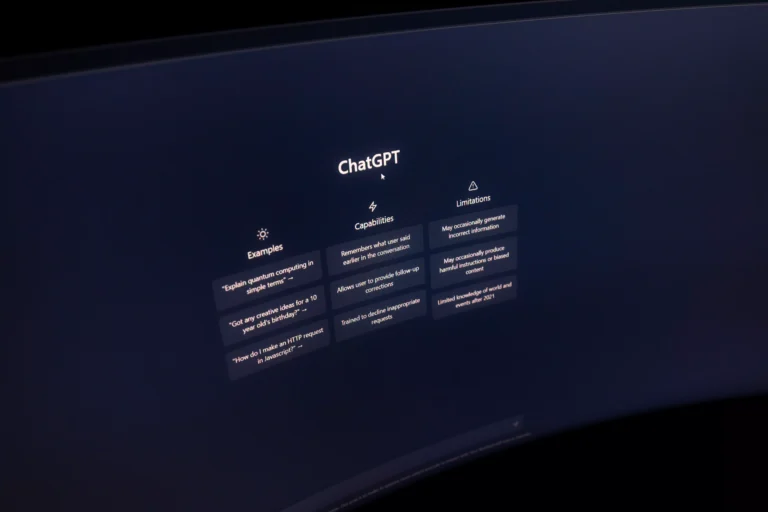
When it comes to generating and structuring non-fiction ebooks, ChatGPT is a versatile AI assistant. Its core strength lies in conversational AI, allowing users to brainstorm ideas, develop detailed outlines, and even draft entire sections of a book through an interactive chat interface. You can pose questions, ask for follow-up details, and refine content iteratively, making it feel like collaborating with a research assistant.
ChatGPT offers multi-modal capabilities, meaning you can use text, audio (voice chats), and even image prompts to guide your writing. For instance, you could describe a concept verbally and ask ChatGPT to generate an outline, or upload an image related to your topic and request descriptive text. Its deep research capabilities, particularly with expanded access in Plus and Pro plans, can help gather comprehensive information for your non-fiction topics. Users can also create custom GPTs to tailor the AI’s responses to a specific writing style or subject matter, which is particularly useful for maintaining consistency across an ebook.
Pricing for ChatGPT scales with features and usage. The Free plan offers unlimited text chats with GPT-5.6 Luna but has limitations on uploads, image generation, voice chats, deep research, and memory. The Go plan at $8/month provides more messages and capabilities, though it may include ads. For serious authors, the Plus plan at $20/month unlocks advanced reasoning models, expanded research, custom GPTs, and projects, making it suitable for more complex ebook projects. The Pro plan, starting from $100/month, offers significantly more usage and advanced features for intensive writing needs. It’s worth noting that content from individual plans (Free, Go, Plus, Pro) is used to train models, though an opt-out is available.
Leveraging Claude 3.5 Sonnet for deep narrative flow in fiction manuscripts
For authors focused on fiction, tools like Claude 3.5 Sonnet are often discussed for their potential in generating creative content and maintaining narrative coherence. While specific details on its features, pricing, and limitations were not provided in the platform’s primary documentation, AI models designed for nuanced language understanding can be beneficial for crafting intricate plots, developing characters, and ensuring a consistent tone throughout a story. When exploring AI tools for Amazon KDP, considering how a model handles long-form text and maintains a unique voice is essential for fiction writers.
Overcoming writer’s block with Sudowrite for creative writing use cases
Writer’s block can be a significant hurdle for any author. Tools such as Sudowrite are specifically designed to assist with creative writing, offering features that can help generate ideas, expand on existing text, or even rewrite passages in different styles. While specific feature sets, pricing, and limitations for Sudowrite were not detailed in the provided information, its reputation often centers on helping authors push past creative impasses and explore new directions for their stories. These types of AI assistants can be particularly useful for generating descriptive prose, dialogue, or alternative plot developments when you’re stuck.
Refining AI manuscript writing with ProWritingAid and human editing
After generating content with AI tools, the next crucial step is refinement. While AI can assist with drafting, a tool like ProWritingAid can help polish the manuscript. Although specific details regarding ProWritingAid‘s features, pricing, or limitations were not provided, such platforms typically offer grammar, style, and readability checks. They can flag overused words, identify passive voice, and suggest improvements for overall clarity and impact.
Regardless of how much AI assistance you use to write your ebook, human editing remains indispensable. AI-generated content often requires a human touch to ensure authenticity, emotional depth, and a unique voice. A thorough review by a human editor can catch nuances, factual errors (especially in non-fiction), and stylistic inconsistencies that AI might miss, ensuring the final product meets high quality standards before you publish on Amazon KDP.
Free vs paid AI tools for Amazon KDP: Which stack maximizes profit margins?

Choosing the right AI tools for Amazon KDP can significantly impact both your workflow and your bottom line. While free options offer an accessible entry point, understanding their limitations and the benefits of paid alternatives is crucial for authors looking to scale their publishing efforts and maximize profit margins. The goal isn’t just to write and sell ebooks on Amazon KDP with AI, but to do so efficiently and effectively.
Evaluating free AI tools for Amazon KDP beginner publishers
For those just starting out on Amazon KDP, free AI tools like the base version of ChatGPT can be incredibly valuable for exploring the potential of AI-assisted writing without any upfront financial commitment. The free tier of ChatGPT provides unlimited text chats, powered by the GPT-5.6 Luna model, making it suitable for a range of initial tasks.
Beginner publishers can leverage free ChatGPT for brainstorming ebook ideas, developing detailed chapter outlines, or generating initial drafts for non-fiction content. It’s also useful for crafting compelling book descriptions or marketing blurbs. However, this free access comes with notable limitations. Users will experience limited messages with uploads, slower and restricted image generation, and a constrained capacity for deep research. This means creating professional book covers or intricate internal graphics directly through the free AI might be challenging, often requiring external tools or manual effort. The limited memory and context also mean that users might need to provide more explicit prompts and context repeatedly during longer writing sessions.
Paid AI publishing tool stack cost-benefit analysis for scaling authors
As authors look to scale their Amazon KDP operations, investing in paid AI tools can offer substantial returns by improving efficiency and output quality. Upgrading to paid tiers of platforms like ChatGPT unlocks more advanced capabilities that directly support a higher volume and quality of ebook production.
The Go plan at $8/month provides more messages, uploads, and image creation capabilities, alongside a longer memory, which can be beneficial for authors needing more consistent content generation. However, it’s worth noting this tier may include ads. The Plus plan, priced at $20/month, introduces advanced reasoning models with GPT-5.6, expanded deep research, and the ability to create custom GPTs and manage projects. This is particularly valuable for scaling authors who can tailor AI assistants for specific KDP tasks, such as generating niche-specific content, optimizing keywords, or creating varied marketing copy. The expanded and more accurate image creation is a significant plus for cover design or internal illustrations. For high-volume publishers, the Pro plan, starting from $100/month, offers 5x or 20x more usage, Pro reasoning with GPT-5.6 Sol Pro, unlimited and faster image creation, and maximum deep research. This tier is designed for maximum throughput and accuracy, ideal for authors managing multiple ebook projects simultaneously.
Here’s a quick comparison of ChatGPT’s paid tiers for KDP authors:
| Feature/Plan | Go ($8/month) | Plus ($20/month) | Pro (From $100/month) |
|---|---|---|---|
| Reasoning Model | GPT-5.6 Luna (similar to Free) | Advanced GPT-5.6 | Pro reasoning with GPT-5.6 Sol Pro |
| Usage | More messages, uploads, image creation | Expanded messages, uploads, more complex/accurate images | 5x or 20x more usage, unlimited/faster image creation |
| Research | Limited | Expanded deep research | Maximum deep research |
| Memory/Context | Longer memory | Expanded memory and context | Maximum memory and context |
| Customization | No custom GPTs | Custom GPTs, projects, scheduled tasks | Expanded custom GPTs, projects, tasks |
| Integrations | Canva, Spotify, PowerPoint, Excel, Google Sheets (via extensions) | Canva, Spotify, PowerPoint, Excel, Google Sheets (via extensions) | Canva, Spotify, PowerPoint, Excel, Google Sheets (via extensions) |
| Drawbacks | May include ads | Content used for training (opt-out available) | Content used for training (opt-out available) |
The investment in these paid tiers can drastically reduce the time spent on content generation, research, and even initial design elements, allowing authors to publish more ebooks faster and potentially increase their passive income from Amazon KDP.
Hidden costs of automated self-publishing software
While AI tools promise efficiency, authors must also consider potential “hidden costs” beyond the subscription fees when using automated self-publishing software. One significant aspect is the time investment required for human oversight. Even with advanced AI, content generated still needs thorough editing, fact-checking, and formatting to meet KDP standards and reader expectations. Relying solely on AI without human review can lead to inaccuracies, inconsistencies, or a generic tone that detracts from the ebook’s quality.
Another consideration relates to data privacy and intellectual property. For ChatGPT, content from Free, Go, Plus, and Pro plans is used to train models, though an opt-out is available. Authors must weigh this aspect, especially if dealing with sensitive or proprietary information. Furthermore, while AI can assist with image generation, achieving a truly professional and unique book cover often requires either a skilled human designer or additional specialized graphic design software, representing an extra cost. Formatting the interior of an ebook for various Kindle devices also demands attention, which AI tools might not fully automate without specific prompts or further manual adjustments. Finally, while AI can help write and sell ebooks on Amazon KDP, successful sales also depend on effective marketing strategies, which might involve additional investments in advertising or promotional tools.
How to design high-converting covers using an AI book cover generator
Crafting an eye-catching book cover is vital for attracting readers on platforms like Amazon KDP. While a dedicated AI book cover generator might streamline the process, various AI tools can contribute to different stages of cover creation, from generating initial concepts to refining visual elements. Understanding the capabilities and limitations of these tools is key to leveraging them effectively.
Generating commercial-use illustrations with ChatGPT
When considering AI for commercial-use illustrations, tools with strong image generation capabilities come to mind. While specific information regarding Midjourney v6 is not available in the provided data, a versatile AI like ChatGPT offers multi-modal features, including the ability to generate images from text prompts. This can be useful for brainstorming visual concepts or creating unique graphic elements for your book cover.
The quality and speed of image generation in ChatGPT vary significantly across its pricing tiers. For instance, the Free plan offers limited and slower image generation, while the Go plan provides more image creation capacity. Users on the Plus plan can expect more complex and accurate image creation, and the Pro plan boasts unlimited and faster image generation. When creating assets for commercial use, it’s worth noting that content from Free, Go, Plus, and Pro plans is used to train models, though an opt-out option is available. This is an important consideration for intellectual property and originality.
Formatting paperback and Kindle covers using Canva Pro templates
While AI tools like ChatGPT excel at generating images and text, the critical step of formatting these elements into a cohesive book cover often requires specialized design software. The provided information does not include details about Canva Pro or its templates for paperback and Kindle covers. Therefore, we cannot detail its specific features or integration with Amazon KDP requirements here.
However, in a typical workflow, an AI-generated image or illustration from a tool like ChatGPT would serve as a core visual asset. This asset would then be imported into a graphic design platform where you could arrange it with typography, adjust dimensions, and ensure it fits the precise specifications for Amazon KDP’s paperback and Kindle formats. ChatGPT’s multi-modal capabilities are primarily focused on content generation and analysis, not layout or template application.
Meeting Amazon KDP image resolution and typography requirements
Adhering to Amazon KDP’s image resolution and typography requirements is non-negotiable for a professional-looking cover. The provided data does not specify Amazon KDP’s exact guidelines for image resolution, file types, or typography standards. Therefore, we cannot offer specific advice on these requirements based solely on the available tool information.
However, AI tools can indirectly support this process. ChatGPT, with its Vision feature, can process visual information. This means it could potentially analyze an existing image for certain properties if the image is uploaded, though it wouldn’t directly generate an image to specific KDP resolution standards or automatically correct them. Ensuring your AI-generated images meet high-resolution demands is crucial, especially for print versions. Lower-tier ChatGPT plans offer limited image generation quality, which may require further refinement or upscaling using other tools to meet professional KDP standards for clarity and sharpness. For typography, while ChatGPT can suggest font pairings or generate text, the actual application and precise formatting of fonts onto a cover design would occur in a dedicated design environment.
Step-by-step blueprint to make money with AI ebooks on autopilot
Navigating the self-publishing landscape on Amazon KDP can feel complex, but with the right AI tools, you can streamline much of the process. From optimizing your book’s visibility to setting strategic prices and even automating promotional efforts, AI can play a significant role in helping you make money with AI ebooks. This blueprint focuses on leveraging tools like ChatGPT to put your KDP publishing on a more efficient, almost autopilot, path.
Optimizing KDP metadata, keywords, and backend search terms
For your ebook to be discovered by readers on Amazon, its metadata, keywords, and backend search terms must be precisely optimized. This is where AI, particularly a conversational AI like ChatGPT, becomes invaluable. You can use it to brainstorm highly relevant keywords that potential readers might use. For instance, if your ebook is a fantasy romance, you could prompt ChatGPT to generate a list of long-tail keywords related to “dragon shifter romance” or “epic fantasy love stories.”
ChatGPT‘s deep research capabilities, available with Plus and Pro plans, can help identify trending topics or less competitive niches for your keywords. It can also assist in crafting compelling book descriptions that naturally incorporate these keywords, enticing readers to click and purchase. Furthermore, the tool can help you identify appropriate Amazon KDP categories, ensuring your book appears in the most relevant sections of the store. When it comes to backend search terms, ChatGPT can suggest variations and synonyms that might not immediately come to mind, broadening your book’s discoverability. Remember, while AI provides excellent starting points, a human review is always essential to ensure the suggestions align perfectly with your book’s content and target audience.
Pricing strategies for maximizing Amazon ebook royalties
Setting the right price for your ebook is crucial for maximizing your Amazon KDP royalties and generating passive income. AI tools like ChatGPT can assist in developing a robust pricing strategy, even if they don’t provide real-time market data. You can leverage its advanced reasoning models (with Plus and Pro plans) to explore various pricing models. For example, you might ask ChatGPT to outline the pros and cons of pricing an ebook at $2.99 versus $4.99, considering Amazon’s royalty structures (35% or 70%).
The tool can help you analyze the potential impact of different price points on perceived value and sales volume, based on general market principles. While it won’t tell you exactly what your competitors are charging today, it can provide strategic frameworks for competitive pricing or premium positioning. You could also use ChatGPT to brainstorm ideas for promotional pricing, such as limited-time discounts or free book promotions to attract new readers. Understanding how these strategies fit into your overall goal to write and sell ebooks on Amazon KDP with AI is key.
Automating marketing funnels for passive income generation
True passive income from KDP ebooks often comes from an effective, automated marketing funnel. ChatGPT can be a powerful assistant in building the content for these funnels. For instance, you can use its conversational AI to generate various pieces of marketing copy, from engaging social media posts to compelling ad creatives for platforms like Amazon Ads.
Beyond individual pieces of content, ChatGPT can help you draft entire email sequences for your reader list, nurturing interest from initial sign-ups to repeat purchases. Its multi-modal capabilities mean you could even use it to outline scripts for short promotional videos or audio snippets if you’re exploring diverse marketing channels. The Plus and Pro plans offer expanded access to custom GPTs and projects, allowing you to create specialized AI assistants for consistent marketing message generation or to manage scheduled content tasks. While ChatGPT excels at content creation, remember that the actual automation of sending emails or running ads will require integration with dedicated marketing platforms. However, by generating high-quality content efficiently, [ChatGPT](https://chatgpt.com/] significantly reduces the manual effort in maintaining a robust marketing funnel for your KDP ebooks.
Frequently asked questions about Amazon KDP AI publishing 2026
Do I need to disclose AI usage to Amazon Kindle Direct Publishing?
The provided information about AI tools, such as ChatGPT, details their capabilities for content generation, conversational AI, and multi-modal support. However, it does not specify any current or projected disclosure requirements from Amazon Kindle Direct Publishing (KDP) regarding the use of AI tools in book creation. Authors leveraging AI for tasks like drafting content or generating ideas should consult Amazon KDP’s official guidelines directly for the most up-to-date policies on AI content disclosure.
Can AI-generated books be copyrighted on KDP?
The data provided about AI tools like ChatGPT details their features for creating text, images, and assisting with various projects. It does not, however, offer specific information on copyright laws or Amazon KDP’s policies concerning the copyright status of purely AI-generated books. Copyright regulations for content created with significant AI assistance are still evolving, and authors should research current copyright office guidelines and KDP’s terms of service regarding originality and ownership for AI-assisted works.
How much money can beginners realistically make with AI ebooks?
While tools such as ChatGPT can significantly aid in the creation process of ebooks by generating text, analyzing data, or even helping with image creation, the provided information does not include data on the realistic earning potential for beginners selling AI ebooks on Amazon KDP. Factors influencing income, such as market demand, niche selection, marketing efforts, and content quality, are not covered. The capabilities of AI tools can streamline the writing process, but success in the KDP marketplace depends on many variables beyond just the use of AI.