Ultimate Guide to AI Open Chat: How to Use and Benefits in 2026
Struggling to find an AI chat solution that’s flexible and customizable? AI open chat platforms might be the game-changer you need to enhance communication effortlessly. As businesses and individuals seek intelligent, adaptable conversational AI tools, open AI chat solutions are rapidly gaining traction in 2026. This guide will walk you through everything you need to know about AI open chat — from how it works and the best platforms available, to real-world applications and security considerations.
AI open chat refers to conversational AI platforms that are open source or provide open access for customization, enabling users to tailor chatbots and virtual assistants to their specific needs. These platforms offer flexibility, integration options, and cost-effective ways to deploy AI-driven chat solutions across various industries.
Understanding the Mechanics of AI Open Chat Platforms
AI open chat platforms operate by leveraging advanced natural language processing (NLP) models that interpret user inputs and generate relevant, human-like responses. Unlike closed AI chat systems, which are proprietary and often limited in customization, open AI chat tools provide access to the underlying codebase or APIs. This openness allows developers and businesses to modify, enhance, and integrate the chatbots seamlessly with their existing workflows.
Most open source AI chat tools rely on pre-trained language models like GPT (Generative Pre-trained Transformer) or similar architectures, which can be fine-tuned for domain-specific knowledge. For example, a customer support team might customize an AI open chat to handle frequently asked questions, while an educator could tailor responses for student interactions.
From practical experience, open AI chat platforms often incorporate features such as multi-turn conversation handling, sentiment analysis, and context retention, which enhance the chatbot’s ability to engage users naturally. They also support integration with popular communication channels like websites, messaging apps, and CRM systems, making them versatile for various deployment scenarios.
Why Open AI Chat Platforms Are Becoming Essential in 2026
The rise of AI open chat platforms is driven by their numerous benefits, especially in a digital-first world where personalized communication is key. Here’s why they matter:
Customization Flexibility: Unlike closed AI chat solutions, open AI chat platforms allow businesses to tailor functionalities, language styles, and workflows to their unique needs without vendor lock-in.
Cost Efficiency: Many open AI chat tools are free or lower cost compared to proprietary alternatives, making them accessible for startups and small businesses keen on leveraging AI.
Integration Capabilities: Open AI chat platforms easily integrate with existing software stacks, including CRM, helpdesk, and marketing automation tools, streamlining operational efficiency.
Transparency and Security: Open source nature enables thorough security audits and compliance checks, ensuring safer deployments, particularly for sensitive customer data.
Community and Innovation: Open AI chat tools benefit from active developer communities that continuously contribute improvements, plugins, and new features.
These AI open chat benefits position them as attractive choices for businesses aiming to enhance customer experience, automate routine tasks, and boost engagement in 2026.
Exploring the Best Open AI Chat Platforms Available Today
In the quest for the best open AI chatbots 2026, several platforms stand out due to their features, usability, and community support. Here’s an overview based on testing and real-world scenarios:
Platform
Key Features
Customization
Cost
Security
OpenAI ChatGPT (OpenAI API)
Advanced NLP, multi-turn conversations, extensive API support
High (via API and fine-tuning)
Pay-as-you-go
Strong encryption, compliance with data policies
Rasa
Open source, customizable pipelines, multi-language support
Very High (full code access)
Free (Community), Enterprise plans
Self-hosting ensures control over data
Botpress
Visual flow builder, modular design, analytics
High (open source with plugins)
Free Community, Paid Enterprise
Self-hosted with advanced security options
Microsoft Bot Framework
Integration with Azure, multi-channel support
Moderate (SDK-based customization)
Free tier + Azure pricing
Enterprise-grade security and compliance
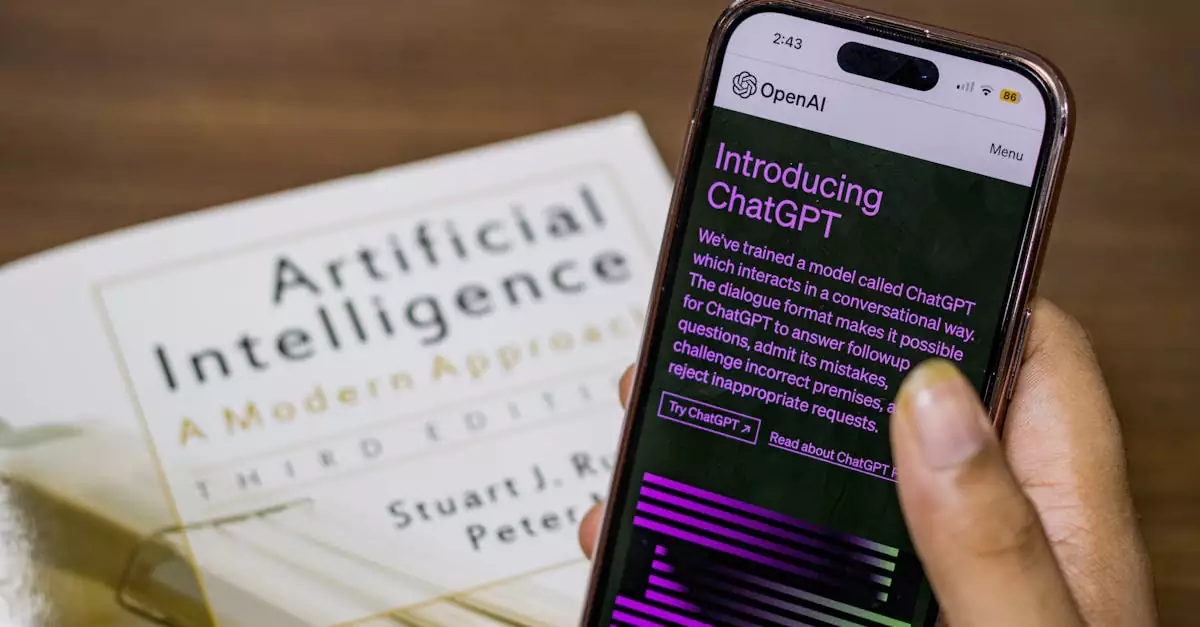
For those interested in exploring OpenAI’s offerings further, their official blog provides insights and updates on ChatGPT and API capabilities (OpenAI ChatGPT Blog).
Integrating AI Open Chat Solutions Seamlessly into Your Business
How to use AI open chat effectively in your organization depends on your objectives and existing systems. Integration typically involves these steps:
Identify Use Cases: Determine where AI chatbots can add value — customer support, lead generation, internal helpdesks, or content delivery.
Select the Right Platform: Choose an AI open chat platform that aligns with your technical expertise, budget, and desired features.
Customize Conversational Flows: Use tools or code to tailor dialogs, intents, and responses based on your audience’s needs.
Connect with Channels: Integrate the chatbot with your website, social media, or communication apps to maximize reach.
Test Extensively: Conduct real-world testing to ensure smooth interactions and fix any conversational gaps.
Deploy and Monitor: Launch the chatbot and continuously monitor performance, user feedback, and analytics to improve over time.
Developers can find open source AI chat tools and integration resources on platforms like GitHub (OpenAI GitHub Chat), which provide codebases and documentation for building customized solutions.
Practical Applications of AI Open Chat Across Industries
AI open chat platforms are transforming how businesses and professionals communicate. Here are some detailed use cases based on practical experience:
Customer Support Teams: Automate responses to common queries, reduce wait times, and provide 24/7 assistance, improving customer satisfaction and reducing operational costs.
Small Business Owners: Deploy affordable chatbots to handle bookings, answer product questions, and collect customer feedback without needing extensive technical skills.
Developers: Build and experiment with custom conversational agents, integrating AI chatbots into apps, websites, or IoT devices for innovative user experiences.
Educators: Use AI open chat to create interactive learning assistants that help students with homework, provide explanations, and offer personalized study plans.
Content Creators: Generate ideas, draft scripts, or automate audience engagement through AI chatbots tailored to niche topics or brand voice.
These use cases highlight the versatility and growing adoption of AI open chat platforms in real-world scenarios, enabling smarter, more efficient communication.
Balancing the Pros and Cons of AI Open Chat Platforms
While AI open chat platforms offer compelling advantages, it’s crucial to consider their limitations as well. Below is a balanced overview based on testing and user feedback:
Pros:
High Customizability: Full control over chatbot logic and design, enabling tailored user experiences.
Cost-Effective: Many platforms offer free tiers or open source versions, reducing upfront investment.
Transparency: Open codebases allow security audits and modifications to suit compliance requirements.
Community Support: Active developer communities foster innovation and troubleshooting assistance.
Integration Flexibility: Easily connect with diverse tools and platforms, enhancing workflow automation.
Cons:
Technical Expertise Required: Setting up and customizing open AI chat solutions often demands programming knowledge.
Maintenance Responsibility: Users must manage updates, bug fixes, and security patches themselves.
Variable User Experience: Without careful design, chatbots can deliver inconsistent or unsatisfactory interactions.
Resource Intensive: Running large AI models may require significant computational resources, especially for self-hosted setups.
Security Risks: Improper configuration can expose sensitive data or vulnerabilities, necessitating strong security practices.
Understanding these pros and cons can help businesses and developers make informed decisions when adopting AI open chat platforms.
Security Features and Privacy Considerations in Open AI Chat
Security remains a top concern when implementing AI open chat, especially for customer support and data-sensitive applications. Open AI chat platforms typically offer several security features, such as:
Data Encryption: Both in transit and at rest, to protect user conversations and personal information.
Access Controls: Role-based permissions to restrict who can modify or access chatbot configurations and data.
Self-Hosting Options: Allowing organizations to retain full control over data storage and processing environments.
Compliance Support: Tools to help meet GDPR, HIPAA, and other regulatory requirements depending on the industry.
Audit Logs: Tracking changes and interactions for accountability and issue resolution.
Comparing open AI chat vs closed AI chat solutions, open platforms provide greater transparency and flexibility in security implementations, but also place more responsibility on users to maintain best practices. Leveraging resources like IBM’s chatbot security insights (IBM Chatbot Security) can guide organizations in securing their AI chat deployments effectively.
Expert Insight: The Growing Trend of Customizable AI Chat Solutions
Based on testing and industry observations, the shift toward AI open chat platforms reflects a broader demand for vendor-neutral, adaptable AI solutions. Businesses no longer want to be confined by rigid, closed systems that limit innovation and data ownership. Open AI chat platforms empower organizations to experiment with conversational AI, tailor interactions to their brand voice, and integrate deeply with internal tools without fear of lock-in.
This trend also fosters collaboration within developer communities, accelerating advancements and democratizing AI technology. As open AI chat platforms evolve, expect to see more plug-and-play modules, easier deployment options, and enhanced security frameworks that lower the barrier for adoption across sectors.
Wrapping Up: Embracing AI Open Chat for Smarter Communication
AI open chat platforms represent a powerful frontier in conversational AI, offering flexibility, cost-effectiveness, and control unmatched by closed alternatives. Whether you’re a small business owner looking to automate customer support or a developer eager to build innovative chatbots, open AI chat tools provide the foundation to create meaningful, personalized interactions.
By understanding how these platforms work, carefully selecting the right solution, and prioritizing security, you can harness the full potential of AI open chat in 2026 and beyond. Keep exploring the latest updates, experiment with integrations, and stay engaged with the vibrant open source communities driving this technology forward.
Frequently Asked Questions About AI Open Chat
What distinguishes AI open chat from closed AI chat systems?
AI open chat platforms are typically open source or provide open access to their code and APIs, allowing for extensive customization and integration. Closed AI chat systems are proprietary, limiting flexibility and often binding users to vendor-specific constraints.
Are free AI open chat software options reliable for business use?
Many free AI open chat tools, such as Rasa and Botpress, are mature and supported by active communities. However, they may require technical expertise for setup and maintenance. For businesses, combining free tools with professional support or enterprise plans is often advisable.
How can small businesses benefit from AI open chat platforms?
Small businesses can automate customer interactions, reduce support costs, and provide 24/7 assistance by deploying AI open chatbots customized to their products and services, improving customer satisfaction and operational efficiency.
What security features should I look for in an AI open chat platform?
Look for data encryption, access controls, compliance support, self-hosting options, and audit logging. These features help protect sensitive data and ensure your chatbot meets industry regulations.
Can developers integrate AI open chat with existing business tools?
Yes, most AI open chat platforms support APIs and connectors that enable integration with CRM systems, helpdesk software, websites, and messaging apps, facilitating seamless workflows.
What are common mistakes to avoid when using AI open chat?
Avoid neglecting thorough testing, underestimating the need for regular updates, ignoring user feedback, and overlooking security configurations, as these can lead to poor user experiences and vulnerabilities.
Where can I find resources to start building with AI open chat?
Repositories like OpenAI’s GitHub (OpenAI GitHub Chat) and community forums provide code, tutorials, and support to help beginners get started.
How to Use Hive AI: The Ultimate Guide to Hive AI Platform in 2026 Struggling to harness AI for your business? Hive AI offers a powerful platform that simplifies complex data tasks — here’s how to get started and maximize its potential. As AI technology continues to evolve, businesses face the challenge of integrating advanced…
10 Best Drawing AI Tools to Boost Your Creativity in 2026 Struggling to bring your creative visions to life quickly? Drawing AI tools are transforming the way artists and designers approach their craft, enabling complex sketches and stunning visuals with ease. These AI-powered applications not only save time on initial drafts but also inspire fresh…
Best AI Summarizer Tools in 2026 Too much content to read? In today’s fast-paced professional world, staying informed without drowning in information overload is a constant challenge. Whether you’re a researcher sifting through academic papers or a student managing multiple assignments, the ability to quickly grasp key points can save hours. This is where AI…
Best AI Tools for Project Management in 2026 Projects getting messy? Managing multiple tasks, deadlines, and team members can quickly become overwhelming without the right support. Fortunately, AI tools for project management have emerged as game-changers, streamlining workflows and enhancing productivity for teams of all sizes. In 2026, leveraging AI project management tools is no…
Primer AI Explained: Ultimate Guide to Its Features and Use Cases in 2026 Struggling to make sense of massive data streams? Primer AI offers a breakthrough by automating complex language analysis and turning raw data into actionable intelligence. For business professionals, analysts, and research teams, the challenge is no longer collecting information—it is filtering, understanding,…
Best AI Tools for Affiliate Marketing in 2026 Want to increase affiliate income? In the ever-evolving world of affiliate marketing, staying ahead means leveraging the latest technology. AI tools for affiliate marketing have become game-changers, helping marketers optimize campaigns, generate high-quality content, and scale operations faster than ever before. Whether you’re a seasoned affiliate or…