Tired of writing emails daily? For many professionals and marketers, crafting the perfect email can be a repetitive and time-consuming task. Whether it’s sending outreach messages, customer follow-ups, or internal communications, the pressure to write clear, concise, and engaging emails is constant. Fortunately, with the rise of AI tools for email writing, this process has become more efficient and less stressful. These advanced AI email generators can help you compose emails faster, improve language quality, and personalize messages at scale.
AI tools for email writing leverage natural language processing and machine learning to automate and enhance email creation. They can generate drafts, suggest improvements, and even tailor content to your audience’s preferences. This article explores the best AI tools for email writing in 2026, focusing on solutions that empower professionals to save time and boost productivity without sacrificing quality.
AI tools for email writing use smart algorithms to draft, optimize, and personalize emails quickly, helping professionals save time and improve communication effectiveness.
How AI Email Generators Are Revolutionizing Professional Communication
AI email generators are software solutions designed to automate the email writing process using artificial intelligence. Unlike traditional templates, these tools analyze context, tone, and recipient data to create highly relevant and customized emails. They can generate subject lines, suggest improvements, and even create entire email bodies based on minimal input.
For professionals, this means less time spent on drafting repetitive emails and more focus on strategic tasks. Marketers, sales teams, customer support agents, and executives increasingly rely on AI email generators to maintain a consistent and professional tone while scaling their outreach efforts.
These tools often integrate seamlessly with popular email clients and CRM platforms, making adoption straightforward. By understanding the nuances of language and user behavior, AI email generators help reduce errors, increase engagement rates, and improve response times.
Why Using AI Tools for Email Writing Is Essential for Professionals in 2026
In today’s fast-paced business environment, email remains a critical communication channel. However, writing effective emails consistently can be challenging due to time constraints and the sheer volume of correspondence. AI tools for email writing address these challenges by offering several key benefits:
Time Savings: Automating routine email tasks frees up valuable time for more strategic activities.
Personalization at Scale: Tailoring messages to individual recipients boosts engagement and conversions.
Consistency: Maintaining a brand voice across all communications becomes easier.
Data-Driven Insights: Some tools analyze email performance to optimize future campaigns.
For marketers and professionals, these benefits translate into more effective outreach, stronger relationships, and ultimately better business outcomes. The integration of AI email generators into daily workflows is no longer a luxury but a necessity for staying competitive.
Top AI Tools for Email Writing That Professionals Should Try in 2026
Based on testing and real-world scenarios, here are some of the best AI tools for email writing that stand out for their features, ease of use, and effectiveness.
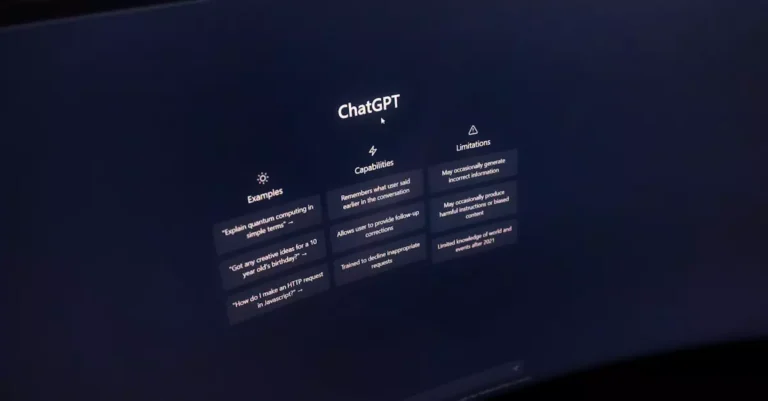
OpenAI’s ChatGPT: Powered by advanced GPT models, ChatGPT can compose detailed and contextually relevant emails. It supports tone customization and multiple languages, making it ideal for global teams. You can explore its capabilities further at OpenAI’s official site.
Grammarly: While primarily known for grammar correction, Grammarly’s AI-powered writing assistant also offers tone suggestions and email templates that help craft professional emails quickly.
Lavender: Specializing in sales and marketing emails, Lavender provides real-time AI suggestions to improve subject lines, personalization, and clarity, helping increase response rates.
Flowrite: Flowrite transforms short instructions into ready-to-send emails and messages, saving time on repetitive email writing tasks for professionals.
Copy.ai: Copy.ai’s email generator offers a variety of templates and AI tools to create engaging emails for different purposes, from cold outreach to follow-ups.
MailMentor: Focused on email optimization, MailMentor analyzes your drafts and provides actionable feedback to improve readability and impact.
Each of these AI email generators brings unique strengths, making them suitable for different professional needs and industries.
Choosing the Right AI Email Generator for Your Professional Needs
Selecting the best AI tool for email writing depends on several factors related to your workflow, industry, and specific goals. Here are some key considerations to help you decide:
Integration: Ensure the tool integrates smoothly with your existing email client, CRM, or productivity software.
Customization: Look for options that allow you to tailor tone, style, and language to match your brand voice.
Usability: Choose a user-friendly interface that requires minimal learning curve to maximize adoption.
Features: Consider whether you need features like subject line optimization, A/B testing, or analytics.
Security: For sensitive communications, verify the tool’s compliance with data privacy regulations and encryption standards.
Pricing: Evaluate pricing plans against the value and volume of emails you intend to generate.
By assessing these elements, professionals can select an AI email generator that not only streamlines writing but also aligns with their communication strategy and compliance requirements.
Common Pitfalls to Avoid When Using AI Tools for Email Writing
While AI email generators offer significant advantages, there are common mistakes professionals should avoid to maximize benefits:
Over-reliance on AI: Relying solely on AI without human review can lead to inappropriate tone or errors in context.
Lack of Personalization: Failing to customize AI-generated emails can make messages seem generic and reduce engagement.
Ignoring Privacy: Inputting sensitive or confidential information without checking data policies can risk security.
Neglecting Follow-Up: AI can help draft emails, but timely and thoughtful follow-up remains essential.
Not Testing Outputs: Skipping A/B testing or performance analysis may prevent you from optimizing your email campaigns.
By being mindful of these mistakes, professionals can leverage AI tools effectively while maintaining quality and compliance.
How Professionals and Marketers Can Leverage AI Email Generators for Maximum Impact
AI tools for email writing serve a wide range of professional use cases. Here are some examples demonstrating their practical applications:
Sales Outreach: Sales teams can rapidly generate personalized cold emails, follow-ups, and nurture sequences, increasing lead engagement and conversion rates.
Customer Support: Support agents can use AI to draft clear and empathetic responses, speeding up resolution times while maintaining a consistent tone.
Marketing Campaigns: Marketers benefit from AI-generated subject lines and email bodies optimized for open rates and click-throughs, helping scale campaigns efficiently.
Internal Communication: HR and operations professionals can automate routine announcements, meeting invites, and policy updates, ensuring clarity and professionalism.
Freelancers and Consultants: Independent professionals can save time on client communications, proposals, and follow-ups, allowing them to focus on core work.
In real-world scenarios, AI email generators help professionals handle high email volumes without compromising quality, enabling better time management and more strategic focus.
Balancing the Advantages and Limitations of AI Email Writing Tools
To make informed decisions, it’s important to consider the pros and cons of AI tools for email writing based on practical experience.
Pros
Cons
Significantly reduces time spent on drafting emails
Improves grammar, tone, and clarity
Enables consistent brand voice
Supports personalization at scale
Offers data-driven insights for optimization
May produce generic or inappropriate content without review
Requires careful handling of sensitive data
Can lead to over-dependence, reducing human touch
Some tools have subscription costs that add up
Not all AI suggestions fit every industry or audience
Understanding these pros and cons helps professionals integrate AI tools effectively while mitigating risks.
Insights from Experts: AI’s Role in Streamlining Repetitive Email Tasks
Based on testing and feedback from industry experts, one unique insight stands out: AI tools excel at saving time on repetitive emails. Routine messages such as meeting confirmations, follow-ups, and status updates often consume a disproportionate amount of professionals’ time. AI email generators automate these tasks efficiently, freeing users to focus on higher-value interactions.
Moreover, AI’s ability to analyze previous communications and suggest improvements ensures that even repetitive emails maintain a polished and professional tone. This balance between automation and quality is critical for maintaining strong relationships and advancing business goals.
Experts recommend combining AI tools with human judgment to optimize results — using AI to generate drafts and ideas, then refining content to add personalization and context.
Wrapping Up: Embracing AI Tools for Smarter Email Writing in 2026
As email remains a cornerstone of professional communication, leveraging AI tools for email writing is becoming indispensable. The best AI email generators offer powerful features that help professionals and marketers write faster, better, and more personalized emails. By choosing the right tool, avoiding common pitfalls, and applying expert insights, you can transform your email workflow and improve productivity.
Whether you’re managing sales outreach, customer support, or internal communications, integrating AI into your email strategy will save time and enhance effectiveness. Explore options like OpenAI’s ChatGPT and specialized tools such as Lavender or Flowrite to find the perfect fit for your needs. With AI’s assistance, you can focus on what truly matters — building relationships and driving results.
Frequently Asked Questions About AI Tools for Email Writing
How do AI tools for email writing improve productivity?
AI tools automate the drafting process by generating email content based on minimal input, saving time on repetitive tasks. They also enhance grammar and tone, reducing the need for extensive editing, which boosts overall productivity.
Are AI email generators secure for professional use?
Most reputable AI email generators implement robust security measures, including data encryption and compliance with privacy regulations. However, it’s important to review each tool’s privacy policy before sharing sensitive information.
Can AI tools personalize emails effectively?
Yes, many AI email generators use recipient data and context to tailor emails. This personalization improves engagement by making emails more relevant and targeted to individual recipients.
Do AI email writing tools replace human writers?
AI tools complement rather than replace human writers. They handle routine and repetitive emails efficiently, but human oversight is crucial for adding nuance, empathy, and strategic judgment.
Which industries benefit most from AI email writing tools?
Sales, marketing, customer support, HR, and consulting industries benefit greatly from AI email generators due to their high volume of routine and personalized email communications.
How can I test if an AI email generator fits my workflow?
Most AI email tools offer free trials or demos. Testing these allows you to evaluate integration, ease of use, and output quality before committing to a subscription.
What should I avoid when using AI for email writing?
Avoid over-reliance on AI without human review, neglecting personalization, and sharing sensitive data without verifying security measures. Regularly review and optimize AI-generated emails for best results.
Best AI Tools for Mental Health in 2026 Feeling stressed often? You’re not alone. In today’s fast-paced world, mental health challenges are increasingly common, and many individuals seek accessible, immediate support. Fortunately, advancements in technology have introduced innovative AI tools for mental health that offer personalized assistance, coping strategies, and emotional support right at your…
How to Use Jasper Chat: The Ultimate Guide for 2026 Struggling to make AI chat tools work for your content needs? Discover how Jasper Chat can simplify your workflow and boost productivity with AI-powered conversations. Whether you’re a marketer, content creator, or freelancer, harnessing Jasper Chat’s capabilities can transform how you generate ideas, communicate, and…
Ultimate Guide to LLM AI: How Large Language Models Are Transforming Technology in 2026 Large Language Models are reshaping the AI landscape, but how exactly do they work and why are they becoming essential for businesses and developers alike? As artificial intelligence continues to evolve rapidly, understanding LLM AI is crucial for anyone interested in…
Struggling to keep up with the rapid pace of digital transformation? AI powered tools are the game-changers that can propel your business ahead in 2026. In today’s fast-evolving digital landscape, businesses must adapt quickly to stay competitive. AI powered tools offer a remarkable way to optimize operations, enhance decision-making, and unlock new growth opportunities. These…
Best AI CRM Tools in 2026 Struggling with customer management? In today’s fast-paced business environment, managing customer relationships effectively is more critical than ever. Traditional CRM systems can be overwhelming and often lack the intelligence to predict customer needs or automate routine tasks. This is where AI tools for CRM come into play, transforming how…
Ultimate Guide to Open AI: Features, Uses, and How to Get Started in 2026 Wondering how Open AI can transform your projects in 2026? Whether you’re a developer, startup founder, or AI enthusiast, understanding Open AI’s powerful platform features and practical applications can be a game-changer. This comprehensive guide dives deep into everything you need…