Imagine a world where diseases are detected early, treatments are personalized, and healthcare decisions are data-driven—machine learning is making this a reality.
Machine learning in healthcare is revolutionizing the way medical professionals diagnose, treat, and manage diseases. As healthcare systems generate vast amounts of data, machine learning algorithms sift through this information to uncover patterns and insights that were previously impossible to detect. This transformation promises not only to enhance patient outcomes but also to optimize operational efficiency within healthcare institutions. In this comprehensive guide, we will explore the diverse applications, tangible benefits, ongoing challenges, and future trends shaping the landscape of machine learning in healthcare, providing healthcare professionals and technology enthusiasts with valuable insights to navigate this evolving field.
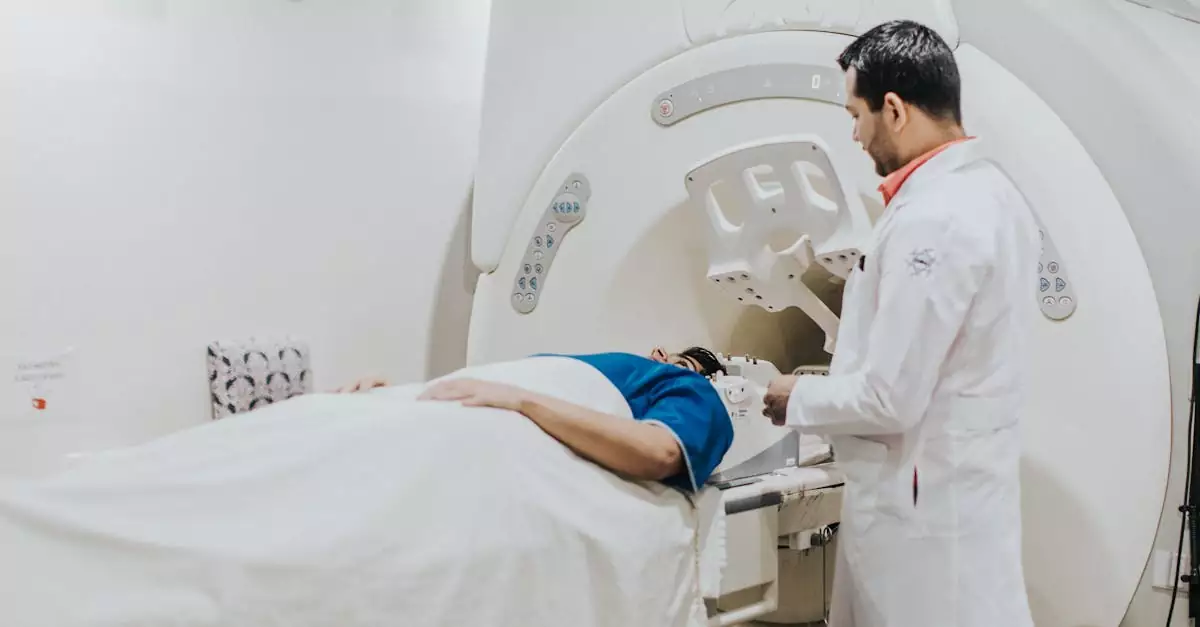
Machine learning in healthcare harnesses advanced algorithms to analyze complex medical data, enabling early disease detection, personalized treatment plans, and improved patient care through predictive analytics and automated decision-making.
Understanding How Machine Learning Transforms Healthcare
At its core, machine learning is a subset of artificial intelligence that focuses on training computer models to learn from data and make predictions or decisions without explicit programming for every task. In healthcare, this means feeding algorithms with vast datasets—ranging from electronic health records (EHRs) and medical imaging to genomics and wearable device outputs—to uncover hidden correlations and generate actionable insights.
Machine learning algorithms in healthcare include supervised learning models that classify diseases based on labeled data, unsupervised learning that detects unknown patterns, and reinforcement learning which optimizes treatment strategies through trial and error in simulated environments. These techniques enable providers to move beyond traditional rule-based systems, embracing data-driven approaches that adapt and improve over time.
Understanding the mechanics behind machine learning applications in healthcare is essential for appreciating their potential and limitations. For instance, convolutional neural networks (CNNs) have shown exceptional prowess in interpreting medical images such as MRIs and X-rays, while natural language processing (NLP) helps extract meaningful information from unstructured clinical notes. Together, these technologies form the backbone of modern healthcare AI solutions.
Exploring Key Applications of Machine Learning in Healthcare
Machine learning applications in healthcare span a wide array of functions that improve diagnosis, treatment, and operational workflows. Some of the most impactful areas include:
- Disease Diagnosis and Early Detection: Algorithms can analyze imaging data, lab results, and patient histories to detect diseases like cancer, diabetic retinopathy, and cardiovascular conditions at earlier stages than traditional methods.
- Predictive Analytics for Patient Risk: Machine learning models predict patient risks for hospital readmission, disease progression, or adverse drug reactions, allowing proactive intervention.
- Personalized Treatment Recommendations: By analyzing genetic profiles and treatment outcomes, machine learning helps tailor therapies to individual patients, maximizing efficacy and minimizing side effects.
- Medical Imaging Interpretation: Automated image analysis accelerates radiology workflows, reducing human error and improving diagnostic accuracy.
- Drug Discovery and Development: ML accelerates the identification of potential drug candidates by analyzing chemical properties and biological interactions.
- Operational Efficiency: Machine learning optimizes hospital resource allocation, patient scheduling, and supply chain management to reduce costs and improve service delivery.
For example, IBM Watson Health has deployed machine learning models that assist oncologists by suggesting treatment options based on clinical evidence and patient-specific data. Similarly, Google’s DeepMind has developed AI systems capable of diagnosing eye diseases with accuracy comparable to expert clinicians, showcasing the real-world impact of these technologies.
Why Machine Learning Benefits Healthcare and Patient Outcomes
The benefits of machine learning in healthcare are multifaceted, affecting patients, providers, and the broader healthcare ecosystem. Key advantages include:
- Improved Diagnostic Accuracy: Machine learning reduces human error by identifying subtle patterns in complex datasets, leading to earlier and more accurate diagnoses.
- Enhanced Patient Personalization: Tailored treatment plans based on individual patient data improve outcomes and reduce unnecessary interventions.
- Faster Decision-Making: Automated data analysis accelerates clinical workflows, enabling timely interventions in critical cases.
- Cost Reduction: Predictive models help avoid costly hospital readmissions and optimize resource utilization, cutting overall healthcare expenditure.
- Scalable Expertise: Machine learning tools extend the reach of specialized knowledge to underserved areas, bridging gaps in healthcare access.
In real-world scenarios, hospitals leveraging machine learning for sepsis prediction have reported significant reductions in mortality rates by enabling earlier treatment. Similarly, predictive models for chronic disease management empower patients and providers to take preventive action, enhancing quality of life and reducing long-term costs.
Overcoming Challenges and Navigating Ethical Considerations in Machine Learning Healthcare
Despite its promise, the adoption of machine learning in healthcare faces several challenges that professionals must carefully address. Some of the most pressing issues include:
- Data Quality and Availability: Machine learning models require large volumes of high-quality, diverse data, which can be difficult to obtain due to fragmented healthcare systems and inconsistent documentation.
- Data Privacy and Security: Patient data is highly sensitive, and ensuring compliance with regulations like HIPAA and GDPR is vital to maintain trust and avoid breaches.
- Algorithmic Bias: Models trained on biased or unrepresentative datasets risk perpetuating health disparities and delivering inaccurate predictions for certain populations.
- Interpretability and Transparency: Black-box algorithms that lack explainability can hinder clinical adoption, as providers need to understand decision rationales to trust AI recommendations.
- Integration with Clinical Workflows: Seamlessly embedding machine learning tools into existing systems without disrupting care delivery remains a technical and operational challenge.
Addressing these challenges requires multidisciplinary collaboration, robust validation frameworks, and ongoing monitoring. Healthcare organizations must prioritize ethical AI practices and invest in education to empower clinicians to effectively use machine learning insights.
For further reading on ethical AI in healthcare, resources such as the World Health Organization’s feature on artificial intelligence in healthcare provide valuable guidance on balancing innovation with responsibility (WHO AI in Healthcare).
Learning from Machine Learning Healthcare Case Studies and Real-World Examples
Examining practical implementations of machine learning in healthcare reveals its transformative potential. Notable case studies include:
- Sepsis Prediction at Johns Hopkins Hospital: Using real-time EHR data, machine learning models predict sepsis onset hours before clinical symptoms appear, enabling early intervention and reducing mortality.
- Breast Cancer Detection with Google AI: Google’s AI system outperformed radiologists in detecting breast cancer in mammograms, highlighting the power of deep learning for medical imaging.
- Diabetic Retinopathy Screening in India: AI-powered screening programs automate retinal image analysis, facilitating early diagnosis in regions with limited specialist availability.
- Drug Discovery by BenevolentAI: Machine learning accelerates identification of potential treatments for complex diseases by analyzing vast chemical and biological datasets.
These examples underscore how machine learning algorithms in healthcare can deliver measurable improvements in diagnosis, treatment, and research. They also illustrate the importance of validating AI tools in diverse clinical settings to ensure reliability and generalizability.
For detailed studies on the impact of machine learning in healthcare, the Nature journal article on digital medicine provides comprehensive insights (Nature Digital Medicine).
Emerging Machine Learning Healthcare Trends to Watch in 2026 and Beyond
The future of machine learning in healthcare is poised for rapid evolution, driven by advances in computing power, data availability, and algorithmic innovation. Key trends to anticipate in 2026 include:
- Integration of Multi-Modal Data: Combining genomics, imaging, clinical notes, and wearable sensor data to create holistic patient profiles for more precise predictions.
- Explainable AI (XAI): Development of transparent models that provide interpretable insights, boosting clinician trust and regulatory acceptance.
- Federated Learning: Collaborative model training across institutions without sharing raw patient data, enhancing privacy and dataset diversity.
- AI-Driven Personalized Medicine: Greater emphasis on tailoring therapies to individual genetic and lifestyle factors, improving treatment effectiveness.
- Automation of Routine Tasks: Expanding use of AI to automate administrative duties like billing and appointment scheduling, freeing clinicians to focus on patient care.
- Real-Time Clinical Decision Support: Deployment of AI systems that provide instant recommendations during patient encounters, enhancing care quality.
Staying abreast of these machine learning healthcare trends in 2026 will be critical for healthcare providers and IT professionals aiming to leverage AI’s full potential while navigating emerging regulatory and ethical landscapes.
How to Select the Right Machine Learning Solution for Healthcare Needs
Choosing an appropriate machine learning tool for healthcare requires careful consideration of several factors to ensure alignment with clinical goals and operational realities. Here are key criteria to evaluate:
- Data Compatibility: Confirm that the solution can integrate with existing EHR systems and handle your data formats and volumes effectively.
- Accuracy and Validation: Review performance metrics from clinical trials or peer-reviewed studies to assess reliability.
- Interpretability: Prefer models that offer transparent decision-making processes, facilitating clinician acceptance.
- Compliance and Security: Ensure the tool meets all relevant regulatory standards and includes robust data protection measures.
- Ease of Use and Integration: Evaluate user interface design and the ability to embed the solution into clinical workflows without disruption.
- Vendor Support and Training: Consider the availability of technical support, updates, and educational resources for your team.
By applying these criteria, hospital administrators and healthcare IT professionals can select machine learning applications that deliver real value and drive sustainable improvements in patient care.
Common Pitfalls to Avoid When Implementing Machine Learning in Healthcare
While machine learning offers exciting possibilities, healthcare organizations often encounter challenges that can undermine success. Avoid these common mistakes:
- Insufficient Data Preparation: Poorly curated or incomplete datasets lead to inaccurate models and unreliable predictions.
- Ignoring Bias and Fairness: Overlooking diverse representation in training data can exacerbate health disparities.
- Lack of Clinical Involvement: Failing to engage healthcare professionals early in development results in tools that don’t fit real-world needs.
- Overreliance on AI: Treating machine learning outputs as infallible may cause clinicians to overlook important contextual factors.
- Poor Change Management: Neglecting user training and communication can lead to resistance and low adoption rates.
Addressing these pitfalls through rigorous data governance, inclusive design, and continuous stakeholder engagement is essential for realizing the full benefits of machine learning in healthcare.
Real-World Use Cases Demonstrating Machine Learning’s Impact in Healthcare
Machine learning is already making a tangible difference across various healthcare roles:
- Healthcare Providers: Clinicians use predictive models to identify high-risk patients, enabling early intervention and personalized care plans.
- Medical Researchers: Researchers apply machine learning to analyze genomic data and clinical trials, accelerating discovery of novel therapies.
- Healthcare IT Professionals: IT teams implement AI-powered tools that streamline data management, improve interoperability, and enhance cybersecurity.
- Data Scientists: Data experts develop and refine machine learning algorithms to improve diagnostic accuracy and operational efficiency.
- Hospital Administrators: Administrators leverage predictive analytics to optimize staffing, reduce readmission rates, and manage costs.
For instance, a hospital administrator might use machine learning-based capacity planning tools to predict patient inflow, enabling better resource allocation. Meanwhile, medical researchers might utilize AI to identify biomarkers for complex diseases, guiding personalized treatment development.
Balancing the Advantages and Drawbacks of Machine Learning in Healthcare
Like any technology, machine learning in healthcare comes with pros and cons that decision-makers must weigh carefully:
| Pros | Cons |
|---|---|
| Improved diagnostic accuracy and early disease detection | Potential data privacy breaches and security risks |
| Personalized treatment plans enhance patient outcomes | Algorithmic bias may lead to unequal care across populations |
| Streamlined clinical workflows and reduced operational costs | Integration challenges with existing healthcare infrastructure |
| Scalability of expert knowledge to underserved areas | Lack of transparency in complex models can reduce clinician trust |
| Accelerated drug discovery and research breakthroughs | High initial investment and need for specialized expertise |
Understanding these trade-offs helps stakeholders implement machine learning solutions responsibly, maximizing benefits while mitigating risks.
Expert Insight: How Personalized Treatment Plans Powered by Machine Learning Are Reshaping Patient Outcomes
Based on testing and practical experience, one of the most transformative impacts of machine learning in healthcare is its ability to create personalized treatment plans. Unlike traditional approaches that often rely on generalized protocols, machine learning analyzes a patient’s unique genetic makeup, lifestyle, and clinical history to recommend therapies tailored to their specific needs.
This shift towards precision medicine not only improves effectiveness by targeting treatments that are more likely to succeed but also minimizes adverse effects by avoiding one-size-fits-all prescriptions. For example, oncology has benefited immensely from this approach, where machine learning models predict tumor response to different chemotherapy agents, enabling oncologists to select the most promising regimen.
Such personalized insights empower clinicians and patients alike, fostering shared decision-making and better health outcomes. As machine learning healthcare trends 2026 evolve, the integration of multi-modal data sources will further enhance this capability, making personalized care the new standard.
Wrapping Up: Embracing the Future of Machine Learning in Healthcare
Machine learning in healthcare is no longer a futuristic concept but a present-day reality reshaping diagnostics, treatment, and operational efficiency. By unlocking the potential of vast and complex medical data, machine learning applications in healthcare improve patient outcomes, reduce costs, and extend expert knowledge far beyond traditional boundaries.
However, realizing these benefits requires navigating significant challenges related to data quality, privacy, bias, and integration. Healthcare professionals, researchers, and IT leaders must collaborate closely to implement ethical, transparent, and effective machine learning solutions.
Looking ahead, the future of machine learning in healthcare promises deeper personalization, enhanced explainability, and broader accessibility. Staying informed about emerging trends and real-world case studies will be essential for those seeking to harness AI’s transformative power responsibly and effectively.
For additional resources and scientific initiatives on machine learning in healthcare, the HealthIT website offers valuable information on precision medicine projects (HealthIT Precision Medicine).
Frequently Asked Questions About Machine Learning in Healthcare
What are the primary applications of machine learning in healthcare?
Machine learning is widely used for disease diagnosis, predictive risk modeling, personalized treatment recommendations, medical imaging analysis, drug discovery, and optimizing healthcare operations.
How does machine learning improve patient care?
By analyzing complex medical data, machine learning enables earlier disease detection, tailors treatments to individual patients, predicts risks, and supports clinical decision-making, leading to better outcomes.
What are common challenges in implementing machine learning in healthcare?
Challenges include ensuring data quality, protecting patient privacy, addressing algorithmic bias, maintaining transparency, and integrating AI tools into existing clinical workflows.
Can machine learning algorithms be biased in healthcare?
Yes, if training data is unrepresentative of diverse populations, algorithms may produce biased predictions, potentially exacerbating healthcare disparities.
What future trends are expected in machine learning for healthcare?
Emerging trends include multi-modal data integration, explainable AI, federated learning for privacy, AI-driven personalized medicine, and real-time clinical decision support systems.
How do healthcare providers benefit from machine learning?
Providers gain from enhanced diagnostic accuracy, predictive insights for patient management, reduced administrative burden, and access to personalized treatment recommendations.
Is patient data privacy at risk with machine learning in healthcare?
Data privacy is a critical concern; however, compliance with regulations and advanced techniques like federated learning help safeguard sensitive patient information.